
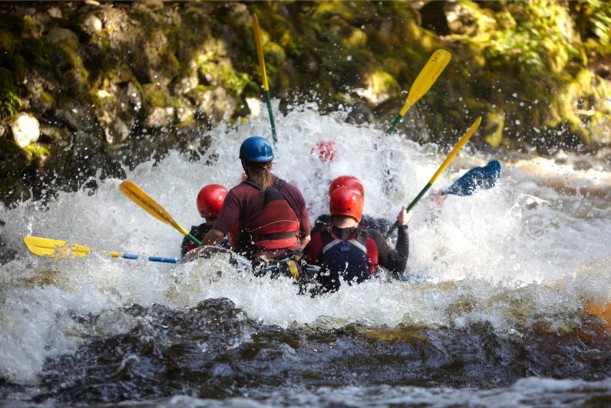
Embracing the water for recreation, whether through paddling, sailing, or high-speed motor sports, offers immense rewards. The rush of wind and spray is unmatched, but with every aquatic activity comes the crucial responsibility of personal safety. A moment of preparation can prevent hours of distress.
Before launching into your next adventure, consulting a safety checklist is the most important step you can take. These ten essential guidelines are designed to help every participant, from novice to experienced sailor, navigate the waterways responsibly.
1. Always Wear a Personal Flotation Device (PFD)
A personal flotation device is the single most vital piece of safety equipment you possess. Even for skilled swimmers, unexpected events like a sudden fall, exhaustion, or being knocked unconscious by gear can turn a fun excursion into a life-threatening scenario. Ensure that the vest is properly sized and fitted. A PFD that is too loose will ride up when you enter the water, rendering it ineffective.
Confirm that the device meets current safety certification standards appropriate for the activity you are undertaking. Many modern PFDs are designed to be comfortable and non-restrictive, meaning there is no excuse to leave this life-saving gear behind. Always ensure PFDs are accessible and worn correctly by everyone on board or engaging in water play.
2. Check Weather and Water Conditions
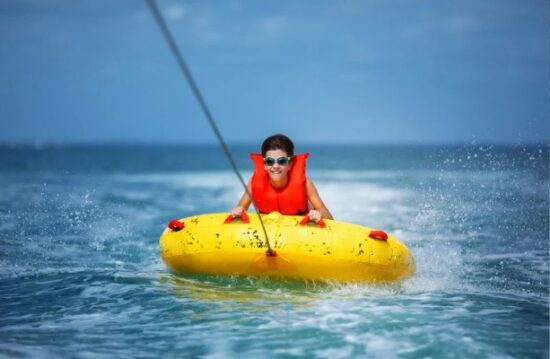
Before leaving the dock or shoreline, a thorough review of the forecast is non-negotiable. Sudden weather changes are a primary cause of water-related incidents. Consult marine forecasts, not just general weather reports, for information on wind speed, wave height, and potential storms.
Strong currents or high winds can quickly overpower paddle crafts and small boats. Furthermore, understand the specific water conditions of your location, such as tides, known rip currents, and water temperature. Cold water immersion is a serious risk that can rapidly lead to hypothermia, even in warmer climates, necessitating appropriate protective clothing if the water is chilly.
3. Master Basic Swimming Proficiency
While a PFD provides flotation, basic swimming ability is a fundamental skill for anyone participating in water sports. Confidence in the water is essential for managing a situation where you might be separated from your craft or vessel. Enroll in swimming lessons if necessary, and practice treading water and swimming while fully clothed.
This preparation builds the capability to remain calm and conserve energy during a real emergency, which can make a critical difference in waiting for rescue. Swimming proficiency also allows you to assist others who may be in distress, though you should always prioritize your own safety and use reaching or throwing aids when possible.
4. Understand Local Rules and Regulations
Every body of water, whether a coastal area, reservoir, or river, operates under a specific set of rules intended to maintain order and prevent collisions. This includes speed limits, no-wake zones, right-of-way protocols, and required documentation for certain vessels. Ignorance of these regulations is not an excuse for breaking them.
Taking the time to familiarize yourself with the local boating and navigation laws will not only keep you safe but also prevent fines. For example, if you are looking into jet ski rentals at Pineview Reservoir, you must be aware of any local restrictions on operating hours and designated zones for motorized personal watercraft. Respecting these boundaries ensures that all visitors can enjoy the water without unnecessary conflict or risk.
5. Never Engage in Water Activities Alone
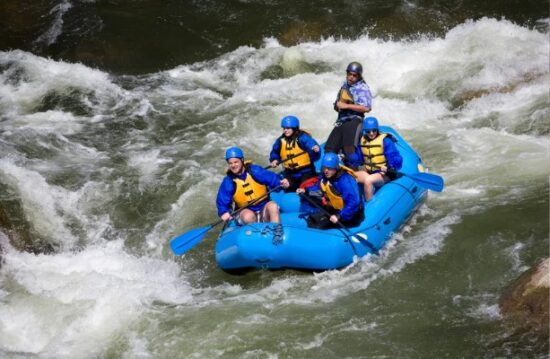
Safety is enhanced by numbers. The simple act of having an observer significantly increases the likelihood of a swift response if an accident occurs. Always use the buddy system for activities like kayaking, snorkeling, or surfing. When operating a towed water sport, such as water skiing or tubing, a spotter is legally required on the vessel in addition to the operator.
This person must continuously monitor the participants in the water and relay information to the driver. Ensure that someone on shore knows your planned route and estimated time of return. This simple communication ensures that search and rescue efforts can be directed effectively if you fail to check in at the agreed-upon time.
6. Prioritize Hydration and Sun Protection
The combination of physical exertion, sun exposure, and wind on the water accelerates dehydration and sunburn. It is easy to forget to drink water when surrounded by it, but consistent fluid intake is vital for maintaining physical and mental alertness. Pack and consume ample fresh water, avoiding alcohol and overly sugary drinks which can worsen dehydration.
Protect your skin by liberally applying a broad-spectrum sunscreen with an SPF of at least 30, reapplying every two hours, and wearing appropriate protective clothing, including hats and sunglasses. Prolonged exposure to UV rays can lead to heat exhaustion and long-term skin damage, so taking these precautions, along with knowing how to safely get tar off skin after beach or dock exposure, is a fundamental part of your health on the water.
7. Inspect Your Gear for Wear and Tear
Before every use, conduct a thorough inspection of all your equipment, regardless of its age. Check for structural integrity, such as cracks in paddle blades, leaks in inflatable components, or fraying ropes. For motorized equipment, verify the functionality of the engine, steering, and kill switch.
Even small issues, such as worn footwear or improperly fitting protective padding, can compromise your activity and lead to injury. Replacing equipment that is damaged or beyond its service life, like certain protective inserts, is an investment in safety. Proper maintenance extends the life of your gear and ensures it performs exactly as intended during critical moments.
8. Perform a Thorough Warm-Up Routine
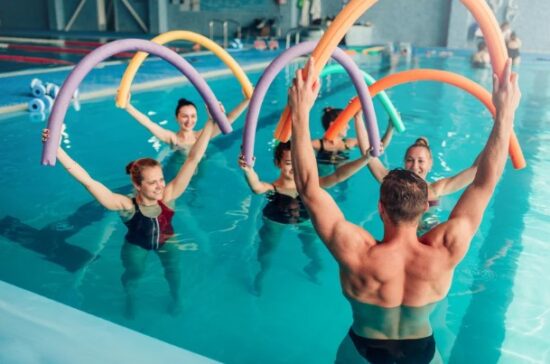
Just like any other sport, aquatic activities place demands on the muscles and joints. Entering the water without preparing your body can increase the risk of sprains, strains, and muscle cramps. Engage in a brief warm-up routine that includes light cardio and dynamic stretching before diving in.
Focus particularly on the muscle groups that will be heavily utilized, such as the shoulders, back, and legs for paddle sports, or the core for balancing activities. A proper warm-up primes your cardiovascular system and enhances flexibility. This preparation reduces the initial shock to the body upon entering the water and allows you to respond more effectively to the physical challenges of your chosen sport.
9. Learn Essential Emergency Procedures
Every participant should know what to do when things go wrong. This includes understanding signals for distress, knowing how to call for help, and being familiar with basic first aid. Crucially, learn how to re-enter your specific craft after capsizing, whether it is a kayak, canoe, or sailboat. Practice self-rescue and assisted-rescue techniques in calm water so they become second nature.
Keep a well-stocked and waterproof first aid kit easily accessible on your vessel. Furthermore, knowing how to use essential safety tools such as a marine radio, signaling mirror, or flares can be lifesaving when you are far from the shore. Training in CPR and basic water rescue can also provide you with the tools needed to save a life.
10. Respect Your Physical Limits and Fatigue
Listening to your body is perhaps the most underrated safety tip. Exhaustion or physical discomfort directly impairs judgment, coordination, and reaction time, increasing the risk of accidents. If you feel tired or unwell, take a break or postpone your activity. Do not attempt activities that exceed your current skill level, especially when navigating unfamiliar or challenging waters.
The goal is to enjoy the experience and return safely, not to push past your exhaustion for the sake of completion. Be honest about your fitness level and slowly build up the duration and intensity of your aquatic excursions. Cross-training with different exercises can also reduce repetitive strain on specific muscle groups, leading to longer-term enjoyment of the sport without chronic injury.
Conclusion
Water sports offer unforgettable moments of exhilaration and connection with the natural world. By approaching every outing with a safety-first mindset and meticulously adhering to this checklist, you minimize risks and maximize enjoyment.
Preparation, respect for the environment, and knowledge of emergency responses ensure that your next time on the water is a safe and memorable success. Prioritizing these steps allows you to focus on the joy of the activity, knowing you have done everything possible to protect yourself and your companions.