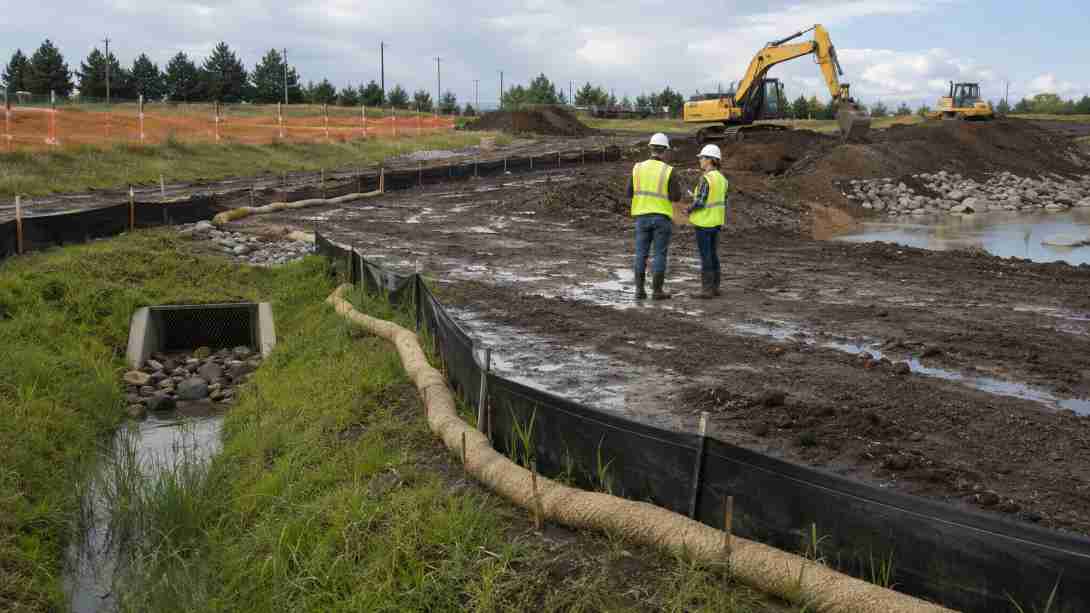
Active construction sites, characterized by extensive grading and soil disturbance, are uniquely vulnerable to the forces of erosion. When the protective layer of natural vegetation is removed, bare earth becomes susceptible to wind and water, leading to rapid soil displacement.
This movement of soil, known as sediment runoff, not only compromises the integrity of the site but also poses a significant threat to local waterways by carrying pollutants and fine particles into storm drainage systems.
To mitigate these risks, construction projects rely heavily on temporary best management practices (BMPs). These short-term solutions are designed to stabilize exposed ground during high-disturbance phases and contain sediment before it leaves the work area.
Implementing these measures immediately upon soil disturbance is a proactive approach that ensures environmental responsibility and maintains regulatory compliance.
Understanding the Threat of Disturbed Soil
The Impact of Water and Wind
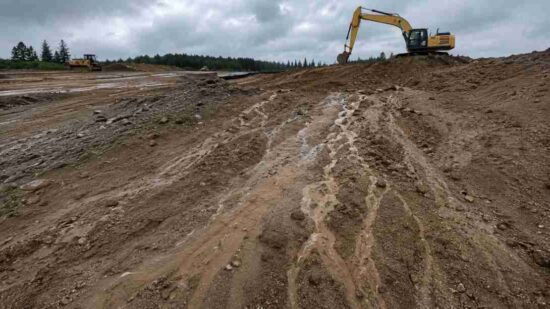
Rainfall is the most powerful driver of erosion on construction sites. When raindrops strike bare soil, they dislodge particles, which are then easily transported by surface runoff. The velocity and volume of this flowing water accelerate on slopes, increasing the rate of soil loss exponentially.
Wind erosion, while more prevalent in arid or exposed environments, also contributes by displacing fine, dry soil particles. Construction activities exacerbate these natural processes by creating steep, unnatural grades and stripping away the organic matter that typically aids in soil cohesion and water absorption.
Construction teams use best management practices (BMPs)to control runoff, reduce soil erosion, and keep job sites compliant with environmental standards.
Regulatory Necessity
Regulatory agencies require strict adherence to erosion and sediment control standards for most projects disturbing one acre or more. These requirements mandate the development and implementation of comprehensive plans, often known as Stormwater Pollution Prevention Plans.
These plans specify the controls necessary to prevent sediment from polluting rivers and streams. Following the protocols outlined in a comprehensive SWPPP in Idaho, for example, is essential for avoiding costly regulatory fines, work stoppages, and expensive emergency remediation efforts.
Compliance is an ongoing requirement, necessitating regular inspection and maintenance throughout the construction lifecycle.
Core Temporary Erosion Control Practices
Temporary controls are essential during the initial stages of a project when the ground is most exposed. These quick-to-deploy methods form the backbone of a successful sediment control strategy.
Sediment Barriers: Silt Fences
Silt fences are one of the most widely used temporary control methods on construction sites. They function as a permeable barrier, allowing water to pass through while trapping sediment.
Constructed from a geotextile fabric stretched between stakes, the base of the fence must be properly trenched and backfilled into the ground to ensure stability and proper performance, preventing sediment-laden water from simply flowing underneath. These barriers are typically installed along the downslope perimeter of a disturbed area.
Flow Reduction: Fiber Rolls and Wattles
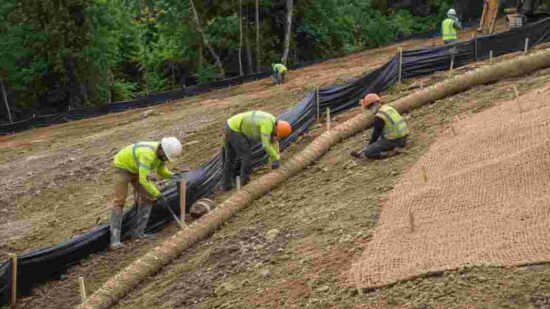
Fiber rolls, often referred to as wattles, are tubes densely packed with materials such as straw or coconut fiber. They are placed along the contour of slopes or across minor drainages.
Their primary function is two-fold: they slow down the velocity of water runoff and filter out suspended soil particles, capturing sediment before it gains momentum. Wattles are especially valuable on uneven or steep terrain where they can be rapidly installed and adjusted as work progresses.
Surface Protection: Mulching and Cover Systems
Protecting bare soil from the direct impact of rainfall is a fundamental temporary strategy. Mulching involves covering exposed ground with a protective layer of organic materials like straw, wood chips, or hydraulic applications. This layer dissipates the energy of raindrops and significantly reduces surface runoff velocity.
Temporary ground cover is particularly vital during the window between grading and the establishment of permanent vegetation, as it retains soil moisture and minimizes wind erosion.
Erosion control blankets or mats, which are biodegradable materials, offer another layer of protection, particularly on steep slopes, helping to hold the soil in place until plant roots develop.
Temporary Sediment Basins and Traps
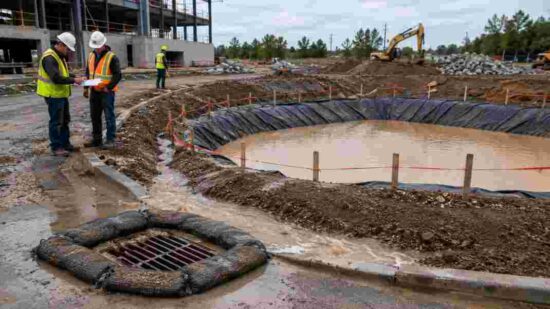
For larger drainage areas, sediment basins and traps are constructed as temporary storage facilities. These engineered ponds are situated at the lowest point of a site and are designed to hold runoff temporarily, giving suspended sediment particles time to settle out before the clearer water is released slowly.
The effectiveness of a sediment basin depends on its size being adequate for the anticipated drainage area and rainfall volume. Regular maintenance is crucial to remove accumulated sediment and restore the basin’s capacity.
Protecting Stormwater Inlets
Inlet protection focuses on shielding stormwater inlets and drains from sediment accumulation. Devices such as silt screens, geotextile bags, or gravel bags are installed around these entry points to function as filters.
These devices intercept sediments and debris, preventing them from contaminating the public stormwater system and local water bodies. As with all temporary controls, these must be routinely inspected and cleaned to maintain proper function.
Implementing Rock Check Dams
Rock check dams are small, temporary structures made of stone or gravel placed within drainage ditches or channels. Their purpose is to reduce the flow rate of concentrated water, which in turn diminishes the water’s erosive energy and promotes the settlement of sediment behind the structure. These installations are often found on large sites with well-defined drainage paths.
Maintenance and Transition
Erosion control is not a static process; it requires constant attention from the start of ground disturbance until final site stabilization.
The Importance of Continuous Inspection
Controls degrade over time due to weather events and project activities. Most permits require mandatory weekly inspections, as well as an inspection within 24 hours of a significant rain event. These routine checks identify deficiencies like torn silt fences, overtopped wattles, or full sediment basins that require immediate correction.
This adaptive management approach ensures that the control measures remain effective throughout the unpredictable nature of an active construction schedule.
Paving the Way for Permanent Stability
Temporary measures are merely a bridge to long-term stability. As construction phases wrap up and the site is finalized, the focus shifts to permanent stabilization techniques.
This transition involves removing temporary barriers and establishing permanent measures such as revegetation with native plants, installing retaining systems, or utilizing riprap.
Coordinating this transition is essential for ensuring the property remains stable and compliant long after the final equipment has been removed, providing years of reliable protection against soil loss.
As temporary barriers are removed, the final site plan should naturally move toward eco-friendly construction practices that improve long-term stability, reduce waste, and protect nearby soil and water resources.
Conclusion
Effective temporary erosion control is a non-negotiable aspect of modern construction. By diligently implementing and maintaining sediment barriers, surface covers, and runoff management systems, project teams safeguard not only their sites and budgets but also the surrounding environmental resources.
Proactive control is always more efficient and less costly than reactive remediation, establishing a responsible foundation for successful project completion.