

The Curious Case of Cavity-Resistant Teeth
We all know someone who seems to defy the fundamental rules of dental care. They might skip brushing before bed, rarely floss, and consume sugary treats with abandon, yet they sail through dental check-ups without a single cavity. Meanwhile, others maintain meticulous oral hygiene routines only to face repeated fillings and restorations.
This puzzling phenomenon has long intrigued dental professionals and patients alike, prompting researchers to investigate why some individuals appear naturally protected against tooth decay.
The answer lies in a fascinating combination of genetic factors, oral bacteria composition, and saliva chemistry that creates a unique dental ecosystem for each person. Understanding these factors not only helps explain this inequality but also offers insights into more personalised approaches to dental care. For those who struggle with cavities despite their best efforts, consulting a dentist Thames Ditton can provide tailored advice based on individual risk factors.
The Genetic Lottery of Dental Health
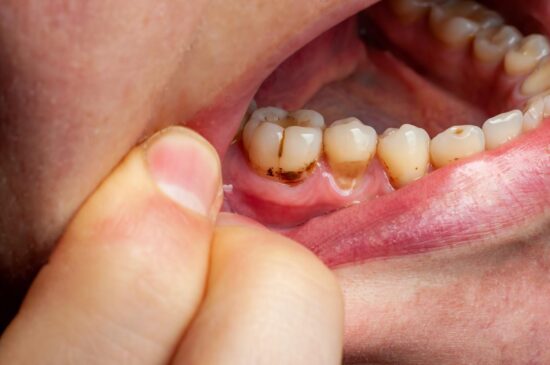
Genetics plays a surprisingly significant role in determining one’s susceptibility to cavities. Research has demonstrated that certain individuals inherit genes that influence enamel formation, making their tooth structure naturally more resistant to acid attacks from bacteria. These genetic variations can affect the thickness, density, and mineral composition of tooth enamel, creating a more formidable barrier against decay.
Studies have shown that genetic factors can account for a substantial portion of cavity risk, with some families displaying patterns of either exceptional dental health or increased vulnerability across generations. The genes responsible for enamel development can determine not only the physical characteristics of teeth but also how they respond to environmental challenges throughout a person’s lifetime.
The Protective Power of Saliva
Saliva serves as one of nature’s most effective defence mechanisms against tooth decay, and its composition varies dramatically between individuals. Those blessed with cavity resistance often produce saliva with optimal pH levels, higher concentrations of protective minerals like calcium and phosphate, and enhanced buffering capacity that neutralises harmful acids more efficiently.
The flow rate of saliva also matters considerably. People who produce adequate amounts of saliva benefit from the continuous washing action that removes food particles and bacteria from tooth surfaces.
This natural cleansing process, combined with saliva’s antimicrobial properties, creates an environment where harmful bacteria struggle to establish colonies and produce the acids that cause decay. The chemical composition of saliva essentially determines whether one’s mouth is a hostile or welcoming environment for cavity-causing bacteria.
The Oral Microbiome Mystery
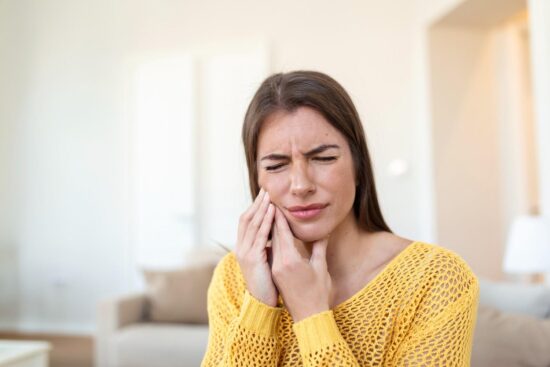
The community of bacteria residing in the mouth varies tremendously from person to person, and this microbial diversity significantly influences cavity development. Those fortunate individuals who rarely experience decay often harbour bacterial populations dominated by beneficial species that outcompete the harmful, acid-producing strains responsible for tooth erosion.
Recent research into the oral microbiome has revealed that some people naturally maintain bacterial communities that produce fewer acids and may even generate substances that protect tooth enamel. This biological advantage means that even when oral hygiene lapses occur, the bacterial balance remains relatively stable and non-threatening to dental health.
Diet and Lifestyle Interactions
Whilst genetics and biology establish the foundation for cavity resistance, dietary habits and lifestyle factors interact with these inherent characteristics in complex ways. Some individuals may possess genetic variations that allow their bodies to process sugars differently or maintain optimal mineral balance more effectively, reducing the impact of dietary indiscretions on their teeth.
Additionally, factors such as fluoride exposure during childhood, overall health status, and even stress levels can influence how genetic predispositions manifest. Children’s Dental Health Deserves a Different Strategy because early habits, diet, enamel development, and preventive care can shape how cavity resistance appears over time. Understanding the interplay between genetics and environmental factors helps explain why cavity resistance isn’t solely determined by brushing and flossing habits.
Understanding Individual Dental Needs
Recognising that cavity susceptibility varies based on biological factors rather than effort alone should encourage a more personalised approach to dental care.
Those who struggle with cavities despite excellent hygiene shouldn’t feel discouraged; instead, they may benefit from additional preventive measures such as prescription fluoride treatments, dietary modifications, or more frequent professional cleanings. Consulting with a dentist can help identify specific risk factors and develop targeted prevention strategies.
Conversely, individuals who appear naturally resistant to decay should not become complacent, as poor oral hygiene can eventually overwhelm even the most favourable genetic advantages, leading to gum disease and other complications that extend beyond simple cavity formation.