Buying a newly built home is exciting, with the appeal of modern layouts and fresh living spaces. However, purchasing a new property requires careful evaluation to ensure it meets your long-term goals.
Not all newly constructed homes are created equal, so understanding what to look for will help you avoid surprises. Making a confident decision will ensure you select a home that fits your lifestyle, budget, and future needs.
Evaluate the Location and Neighborhood
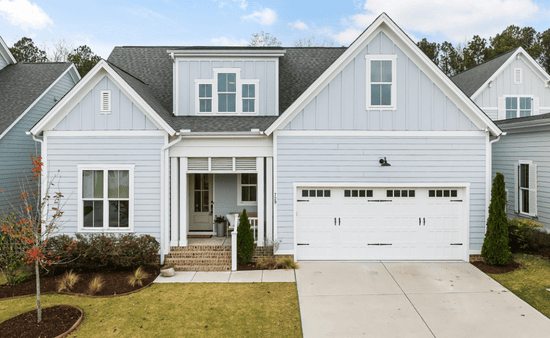
Location is a critical factor when buying any home, as a good neighborhood can enhance your daily life and protect your property’s value. When considering a newly built home, take time to explore the surrounding area and see what it offers.
Important factors to review include:
- Proximity to schools and workplaces
- Access to grocery stores and healthcare facilities
- Availability of public transportation
- Safety and overall community environment
- Future development plans in the area
A well-chosen location makes daily life more enjoyable and can increase your property’s long-term value as the neighborhood grows. Selecting the right spot provides comfort and financial stability, ensuring greater satisfaction for years to come.
Review the Quality of Construction and Materials
While newly built homes offer the appeal of modern construction, it’s crucial to verify that the materials and workmanship are up to standard. A beautiful home can still have hidden issues if the construction quality hasn’t been properly assessed.
Pay attention to:
- Roofing and foundation stability
- Windows and insulation performance
- Plumbing and electrical systems
- Flooring and wall finishes
- Overall craftsmanship and attention to detail
Consider hiring a professional home inspector to evaluate the property before you buy. Even new homes can benefit from an independent inspection to ensure they meet safety and quality standards. High-quality construction protects your investment, reduces future maintenance costs, and creates a secure living environment.
Understand the Home Warranty and Builder Support
Most new homes include warranties covering specific components for a set time. It’s essential to understand the warranty details before signing, as this provides peace of mind and protects you from unexpected repair costs.
Key questions to ask include:
- What systems and structures are covered?
- How long does the warranty last?
- What maintenance responsibilities fall on the homeowner?
- How quickly are repair requests handled?
A solid warranty demonstrates the builder’s commitment to quality and customer satisfaction while ensuring any issues are addressed promptly. Understanding your warranty terms helps you plan for future maintenance, avoid misunderstandings, and creates confidence in your homeownership journey.
Consider Energy Efficiency and Modern Features
Energy-efficient homes are increasingly popular as they help lower monthly expenses and promote environmentally responsible living. Many new properties include advanced technology to improve comfort while reducing utility costs.
Common energy-efficient features may include:
- High-performance insulation
- Energy-saving appliances
- Smart thermostats
- LED lighting systems
- Efficient heating and cooling equipment
These features reduce energy consumption, enhance comfort, and provide long-term savings. Buyers often find that energy-efficient properties also have increased resale value, making them a comfortable and cost-effective investment over time.
Evaluate the Floor Plan and Future Flexibility
A home’s layout significantly impacts daily comfort and functionality. When exploring newly built townhomes for sale in Payson, consider how the floor plan will support both your current lifestyle and future needs.
Think about:
- Number of bedrooms and bathrooms
- Storage space and closet size
- Open living and dining areas
- Space for a home office or guest room
- Outdoor living areas or patios
A flexible floor plan allows your home to adapt as your family grows or your lifestyle changes, ensuring long-term satisfaction. A well-designed, functional layout means you’ll enjoy your home for many years to come.
Review the Homeowners Association Rules and Fees
Many new communities have a homeowners association (HOA) that manages shared spaces and upholds neighborhood standards. Before buying, it’s essential to understand the HOA’s rules and estimate costs.
Important details to review include:
- Monthly or annual fees
- Maintenance responsibilities
- Community regulations and guidelines
- Services provided, such as landscaping or security
- Restrictions on property modifications
HOA policies can affect how you use and maintain your property. Reviewing these rules carefully helps you avoid unexpected surprises after you move in and supports a smooth transition into homeownership. Being clear on fees and responsibilities will give you confidence in your decision.
Plan Your Budget and Long-Term Financial Goals
Buying a home involves more than just the purchase price. You should also factor in additional expenses like property taxes, insurance, maintenance, and utilities when creating your budget. Planning for these costs ahead of time will help you manage your expenses and avoid financial stress.
Financial planning steps may include:
- Calculating monthly mortgage payments
- Estimating maintenance and repair expenses
- Setting aside emergency savings
- Reviewing loan terms and interest rates
- Planning for future upgrades or improvements
Creating a realistic budget ensures your new home is affordable long-term. Careful financial preparation allows you to enjoy homeownership without unnecessary worry, building confidence and stability. Understanding your budget helps you make informed decisions throughout the buying process.
Conclusion
Buying a new home is a significant decision that requires thoughtful preparation. By evaluating construction quality, location, energy efficiency, and your financial readiness, you can select a property that fits your needs.
Researching and asking questions will ensure your investment is both practical and rewarding, helping you move forward with confidence. A well-informed purchase can provide comfort, security, and satisfaction for years to come.