Unpacking classic cycling history always brings me back to the golden era of 1970s racing. Exploring the threads of history TI Raleigh left behind reveals a story of tactical genius and pure speed. Walking through vintage bike shows, you can immediately spot that bright red, yellow, and black color scheme standing out against the crowd.
Key Takeaways
- Corporate Origins: TI stands for Tube Investments, bringing British steel innovation to professional cycling.
- Tactical Revolution: Directing manager Peter Post introduced “Total Cycling,” turning the squad into an unstoppable collective force.
- Technical Mastery: Specialized SBDU workshop frames changed performance standards with lightweight Reynolds tubing.
- Tour Dominance: Joop Zoetemelk brought the team ultimate glory by winning the 1980 Tour de France.
- Enduring Legacy: The bold red, yellow, and black colors remain the most iconic retro jersey in history.
The TI-Raleigh Legacy
Discover how a British corporate vision created one of the most dominant European racing squads in history.
Back in 1972, British manufacturing giant Tube Investments paired up with Raleigh Bicycles to launch a whole new kind of racing squad. The goal was simple: boost bicycle sales across continental Europe as trade borders opened up. What started as a simple marketing push quickly turned into a monster of a team that ruled the peloton for over a decade.
British Steel Meets Dutch Strategy
Combining traditional manufacturing with aggressive mainland European racing tactics changed everything.
The British management supplied the capital and engineering, while Dutch director Peter Post took full control of the race strategy. Post demanded total obedience and perfection from every single rider on the roster. This unique mix of high-grade British steel and uncompromising Dutch discipline created a standard that competitors simply could not match.
The Total Cycling Revolution
Shifting away from single-star leaders allowed the entire squad to attack and win together.
Before this era, teams worked exclusively for one single leader who received all the glory. Post flipped the script by adapting Dutch soccer tactics into “Total Cycling,” where every rider was capable of winning on any given day. If one rider went down, another stepped up seamlessly, making the team impossible to defend against.
The First Superteam
Learn how manager Peter Post reshaped team dynamics into a winning machine between 1972 and 1983.
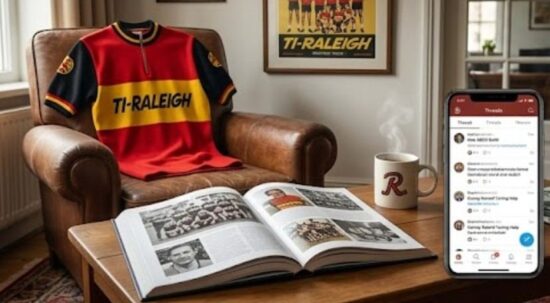
Peter Post took over team operations in 1974 with a uncompromising vision for absolute victory. He dismissed underperforming riders and insisted that every team member contribute equal effort during brutal crosswind breakaways. His iron-fisted leadership turned individual racers into a terrifying collective unit that dictated race tempos.
Dominating Road and Track Racing
Mastering both velodrome racing and road classics gave the squad a massive tactical advantage.
Many team riders came directly from six-day track backgrounds, giving them exceptional safe bike handling and rapid cadence control. This track discipline translated seamlessly into dominant lead-out trains and aggressive gutter-riding during windy spring classics.
Building an Empire of Victories
A culture of relentless effort yielded an astonishing victory count across all major races.
The team racked up over nine hundred professional victories over its eleven-year lifespan. They did not just participate in European races; they completely controlled the tempo from the opening kilometer to the final sprint finish.
Changing the Sport
Explore how shifting tactics away from solo leaders allowed the squad to collect hundreds of victories.
The team proved that structured group coordination could consistently defeat isolated super-star riders. Opponents found themselves constantly chasing multiple team attackers who rotated turns with military precision.
Joop Zoetemelk and Tour de France Glory
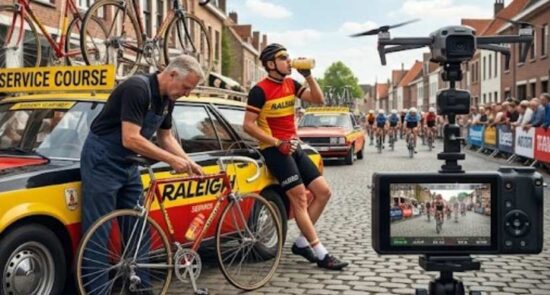
Reaching the absolute pinnacle of road cycling came with a historic yellow jersey victory in 1980. Dutch legend Joop Zoetemelk joined the squad with a single mission: win the Tour de France. Backed by an unstoppable team time trial machine, Zoetemelk rode flawlessly into Paris. The team controlled every stage, proving that structured team play beats isolated individual talent.
Unmatched Team Time Trial Power
Precision pacelines turned race against the clock events into guaranteed victories.
The squad turned the Team Time Trial into an art form through endless drill practices. They rode inches apart at blistering speeds, swapping turns smoothly to crush the competition. Their synchronized style was so effective that they won eight Tour de France team time trials between 1978 and 1982.
The Machines
Uncover the technical frame innovations and premium components that gave riders a mechanical edge over rivals with bike rolling resistance quality. To keep up with such an aggressive racing style, the riders needed machines that were lighter and stiffer than standard production models.
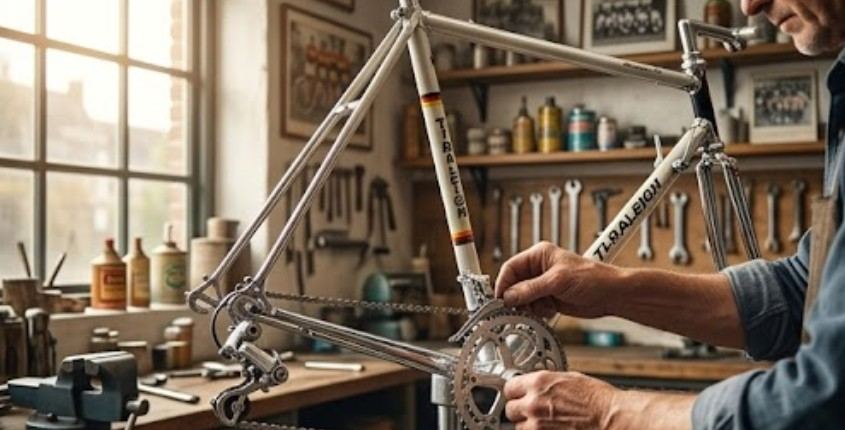
The company established the Specialist Bicycle Development Unit (SBDU) in Ilkeston, England, dedicated purely to custom frame building. Skilled frame builders crafted bespoke racing frames for each rider using top-tier Reynolds 753 steel tubing, giving the squad a massive mechanical advantage over rivals.
Crafting Reynolds 753 Steel Frames
Precision frame building meant tailored geometries for every single rider on the team.
Master craftsmen measured each athlete down to the millimeter to construct custom frames. Reynolds 753 steel allowed for thinner tube walls without sacrificing frame stiffness, allowing riders to transfer maximum power to the road during sprint finishes.
Premium Italian Components
Outfitting custom steel frames with classic Campagnolo gear ensured unmatched race reliability.
Every custom bicycling frame featured polished Campagnolo Super Record components, from friction shifters to lightweight side-pull brakes. These high-end Italian parts provided crisp shifting and durable braking performance across harsh cobblestone sectors.
How to Channel Threads of History TI Raleigh Spirit Today
Bring vintage cycling heritage into your personal riding routine with these practical step-by-step tips.
If you want to bring the iconic style and discipline of this classic era into your daily cycling routine, start by picking up a classic wool-blend jersey featuring the vibrant red, yellow, and black panels.
Next, look for vintage steel road bikes made or gravel and mountain bike from Reynolds tubing if you want to experience that legendary smooth ride quality. Adopt the team mentality on your local club rides by practicing tight, single-file pacelines and rotating turns evenly with your partners.
Finally, care for your classic equipment by properly polishing chrome parts and keeping downtube shifters smooth so you can keep the threads of history TI Raleigh alive on the open road.
Frequently Asked Questions
1. What does the “TI” in TI Raleigh stand for?
TI stands for Tube Investments, a major British industrial conglomerate that owned Raleigh Bicycles and Reynolds Tubing during the racing team’s prime years.
2. Who was the manager behind the team’s success?
Peter Post was the legendary Dutch manager who introduced strict discipline and the “Total Cycling” team strategy from 1974 to 1983.
3. Why are SBDU frame builds so famous?
SBDU frames were custom-built in Ilkeston, England, using high-grade Reynolds 753 steel, making them exceptionally light, rare, and highly collectible today.
4. How many wins did the team achieve overall?
The team achieved over 900 professional victories between 1972 and 1983, including classic monuments, world championships, and the Tour de France.
Weaving Threads of History TI Raleigh Into Modern Cycling
Exploring the threads of history TI Raleigh created shows how true innovation lasts forever. From hand-built steel frames to revolutionary team tactics, this incredible era changed professional racing for good. Whether you ride a modern carbon fiber bike or restore vintage steel classics, honoring this golden age connects us all to the pure joy of cycling history.