
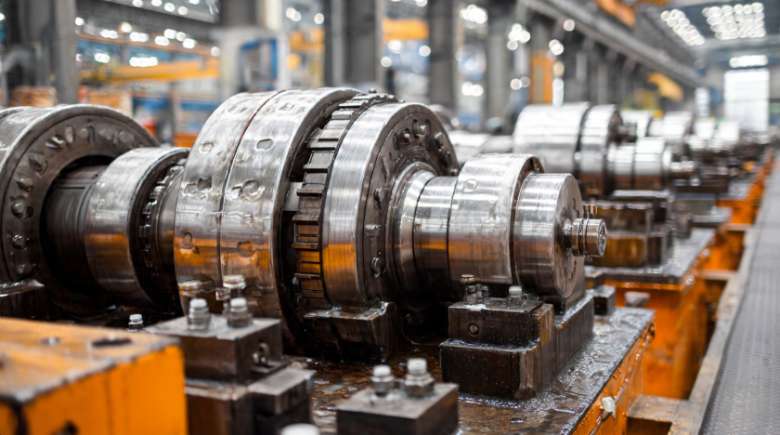
Heavy equipment is crucial for industries like construction, agriculture, and mining. These machines handle demanding tasks, but even the most durable equipment needs consistent care to maintain performance and reliability. Regular maintenance spots small problems before they become costly failures, ensuring safe and efficient operation.
For businesses dependent on this machinery, investing in preventive maintenance can significantly extend its lifespan. Routine inspections, proper lubrication, and timely repairs reduce downtime and protect valuable assets. Understanding the importance of maintenance helps equipment owners make informed decisions that boost productivity and profitability.
The Role of Preventive Maintenance in Equipment Longevity
Preventive maintenance involves routine inspections and servicing to keep equipment in optimal condition. Instead of waiting for a breakdown, teams proactively check components, replace worn parts, and monitor performance. This approach reduces unexpected failures and improves efficiency.
Heavy equipment endures constant stress from heavy loads, extreme temperatures, and rough terrain, which causes wear over time. Without regular upkeep, this can lead to damage or complete failure.
Preventive maintenance enables technicians to spot early signs of wear and fix issues before they escalate, which boosts reliability and lowers long-term repair costs. Reliable equipment ensures projects stay on schedule and avoids costly delays.
Reducing Costly Repairs and Downtime
Unexpected breakdowns can halt operations and cause significant financial strain. Ignoring problems often leads to more expensive repairs, including costly replacement parts, labor, and extended downtime. Regular maintenance minimizes these risks by keeping equipment in top condition.
With routine servicing, fluids stay clean, filters work correctly, and components operate smoothly, making systems less likely to fail. This proactive approach helps businesses avoid costly delays and keep projects on schedule.
Improving Equipment Safety and Workplace Protection
Regular maintenance is crucial for keeping heavy equipment safe, as malfunctioning machinery poses a significant risk to operators and other on-site workers. Issues like faulty brakes, hydraulic leaks, or worn tires can lead to serious accidents. Routine inspections help identify and address these safety concerns before they escalate.
During servicing, technicians check that critical systems like steering, braking, and hydraulics are functioning correctly. Fixing potential issues early protects your employees and helps maintain a safe work environment. Proper equipment maintenance also ensures compliance with safety regulations, resulting in fewer incidents, a stronger safety culture, and reduced liability.
Enhancing Equipment Performance and Efficiency
Well-maintained equipment performs better and more efficiently. With clean filters, lubricated parts, and balanced systems, machinery operates at its best, using less fuel and reducing wear on components. This improved efficiency is crucial for industries like excavation and material handling, where even minor issues can affect productivity.
Regular maintenance ensures consistent results, as technicians can monitor for changes like unusual vibrations, noise, or reduced power. Addressing these signals of developing problems quickly prevents further damage and keeps equipment running smoothly.
Protecting Equipment Value and Resale Potential
Heavy equipment is a significant financial investment, and protecting it requires consistent care and detailed maintenance records. Well-serviced machinery holds a higher resale value because potential buyers look for a documented history of inspections and repairs.
These records build confidence and increase the likelihood of a successful sale. Proper maintenance also slows depreciation, as reliable equipment retains its value longer, providing a better return on investment and supporting long-term financial benefits.
Key Maintenance Practices That Extend Equipment Life
Several maintenance practices play a vital role in extending equipment lifespan and preventing costly repairs. These tasks should be performed regularly to ensure consistent performance.
Routine Inspections
Visual inspections help identify leaks, cracks, and worn components before they cause major problems. Checking equipment daily or weekly allows operators to detect issues early and report them for repair.
Fluid and Filter Maintenance
Hydraulic fluid, engine oil, and coolant must remain clean and at proper levels. Replacing filters and fluids on schedule prevents contamination and protects internal components from damage.
Lubrication of Moving Parts
Proper lubrication reduces friction and wear on gears, bearings, and joints. Regular lubrication ensures smooth movement and prevents overheating or component failure.
Timely Component Replacement
Replacing worn belts, hoses, and seals prevents breakdowns and maintains system performance. Waiting too long to replace parts can lead to more expensive repairs. Following these maintenance practices helps businesses maintain reliable equipment and avoid unexpected disruptions.
Partnering With Skilled Technicians for Reliable Service
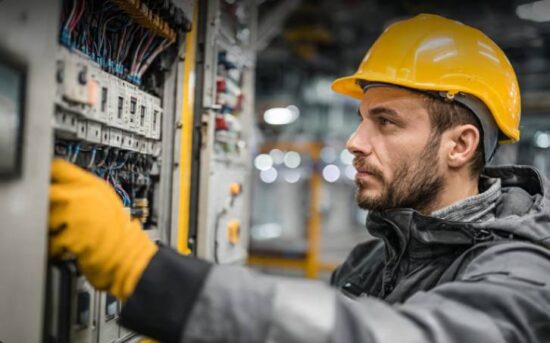
Professional maintenance and repair services provide the expertise needed to support equipment longevity.
- Skilled technicians can accurately diagnose problems, perform repairs, and recommend preventive measures.
- Their experience ensures equipment receives proper care, helping businesses keep everything running efficiently.
- Regular service appointments maintain consistent performance and reduce the risk of unexpected breakdowns.
- Partnering with trained professionals helps extend equipment life, improve operational reliability, and protect valuable machinery.
Conclusion
A structured maintenance plan is the most effective way to extend equipment lifespan. This strategy should include scheduled inspections, performance monitoring, and regular servicing to prevent issues and maintain productivity.
Organizations that prioritize preventive maintenance experience fewer equipment failures and lower repair costs, creating a culture that supports efficiency, safety, and long-term success. Investing in routine service and heavy equipment repair in Utah ensures your machinery remains dependable, protecting performance and promoting operational stability.
If you’re also looking to transport heavy equipment safely, flat top trailers offer versatile solutions that can help you move large machinery efficiently and securely, complementing your maintenance efforts.