
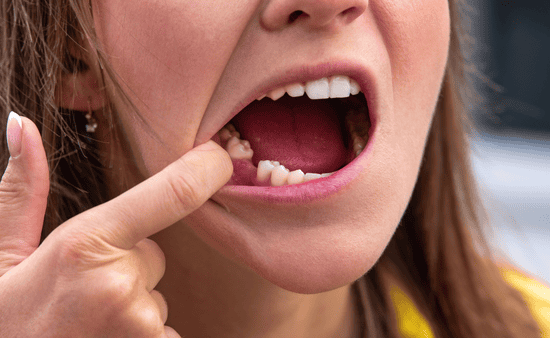
Losing a tooth is often seen as a cosmetic issue or a minor inconvenience when chewing. The space left behind, however, triggers a silent and invisible process beneath your gums. Your jawbone relies on the constant pressure from your teeth to stay strong and healthy. When a tooth goes missing, the bone loses that vital stimulation and begins to break down.
The immediate aftermath of losing a tooth
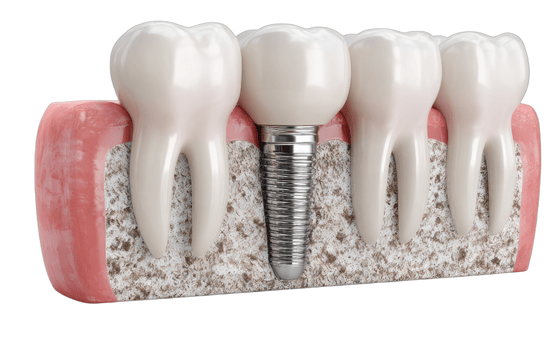
The roots of your teeth are embedded deep within your jawbone. Every time you bite or chew, the roots stimulate the surrounding bone. This tells your body to send nutrients to that specific area to keep the tissue dense.
When a tooth is extracted or knocked out, that section of the jawbone no longer receives any stimulation. The body quickly realizes that the bone is no longer needed to support a tooth. As a result, it begins a process called resorption. The bone tissue is broken down and absorbed back into the bloodstream.
The first six months
Bone loss happens much faster than most people realize. In the first six months following a tooth extraction, you can lose up to 25% of the bone volume in that specific area. The bone begins to narrow and shrink, creating a visible dip in the gum line.
Acceleration without intervention
If the missing tooth is not replaced with a root-stimulating device, the deterioration process continues to speed up. Your jawbone will continue to lose height and width year after year.
Traditional dentures or dental bridges sit on top of the gums. They do not extend into the jawbone. Because they fail to stimulate the underlying bone, people wearing standard dentures will still experience progressive bone loss over time, which is why common dental surgeries like implants are often considered for long-term support.
Long-term consequences of progressive bone loss
Ignoring a missing tooth affects much more than your chewing ability. As the jawbone shrinks, it triggers a chain reaction of problems throughout your mouth and face.
Shifting teeth and bite problems
Your teeth rely on each other for support. When a gap appears and the bone weakens, the neighboring teeth often begin to drift or tilt into the empty space. This alters your natural bite, making it harder to chew and increasing your risk of jaw pain.
Facial collapse and premature aging
Your jawbone provides the foundational support for your facial muscles, lips, and cheeks. Severe bone loss causes the lower half of your face to shrink. Your chin may rotate upward and point forward, while your lips thin out and your cheeks hollow. This condition, often called facial collapse, can make you look decades older than your actual age.
How to prevent and treat bone loss

The key to maintaining your jawbone is restoring the necessary stimulation. Best dental care products for healthy teeth and gums, along with proper treatment, can support overall oral health while you explore solutions. You have effective options to halt the resorption process and protect your facial structure
Dental implants
Dental implants, such as those offered in Kilgore, TX, are currently the only tooth replacement option that preserves jawbone health. An oral surgeon places a titanium post directly into the bone, acting as an artificial tooth root. This restores the chewing pressure your bone needs to regenerate and stay strong.
Bone grafting
If you have already experienced significant bone loss, you may not have enough bone volume to support an implant. A dentist can perform a bone graft to solve this problem. This procedure adds new bone material to the area, giving your body the scaffold it needs to rebuild the missing tissue.
Conclusion
Tooth loss is a medical issue that requires timely treatment. The longer you wait to replace a missing tooth, the more bone you will lose. This makes future treatments more complex and expensive.
Protect your oral health and facial structure by talking to a dental professional about replacement options as soon as possible. Early intervention is the best way to secure a strong, healthy jaw for the rest of your life.