
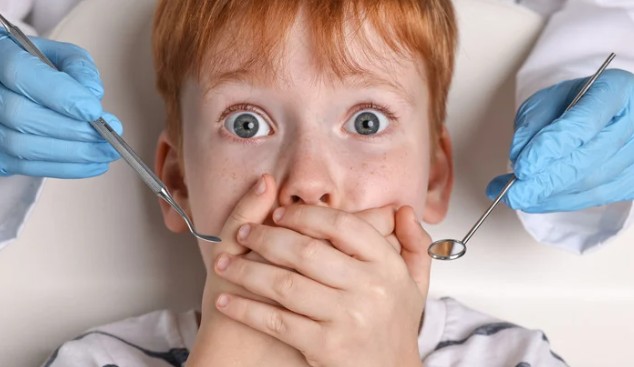
A child’s fear of the dentist is a common challenge for many parents. The unfamiliar environment, strange sounds, and new faces can be intimidating for young children. This anxiety can make routine checkups stressful for everyone involved and may lead to avoidance of essential dental care later in life. Fortunately, with the right approach, parents can help ease their child’s fears and transform dental visits into positive, manageable experiences.
Building a foundation of trust and comfort around dental care from an early age is crucial for lifelong oral health. This guide provides practical strategies to help your child feel more at ease and confident during dental visits.
Start the Conversation Early and Positively
The way you talk about the dentist at home can significantly shape your child’s perception. It is important to introduce the idea of dental visits calmly and positively long before the appointment.
Use Positive Language
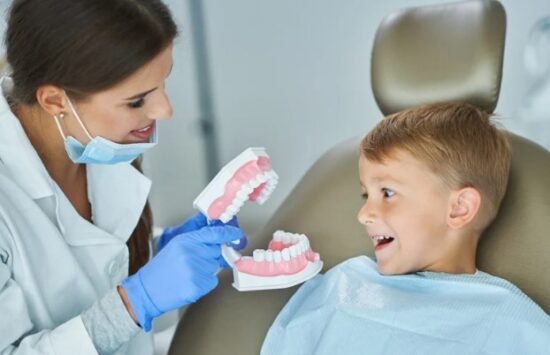
Frame the dentist as a friendly helper who keeps their teeth strong and healthy so they can eat their favorite foods and have a great smile. Avoid using words like “pain,” “hurt,” or “shot.” Instead, you can explain that the dentist will count their teeth and make sure they are sparkling clean. Keeping your own anxieties in check is also important, as children are very perceptive and can pick up on a parent’s stress.
Read Books and Watch Videos
There are many age-appropriate books and cartoons about first dental visits. Sharing these resources with your child can help demystify the experience. Seeing a favorite character have a positive dental checkup can make the idea seem much less scary and even a little exciting.
Choose the Right Dental Professional
The environment of the dental office and the demeanor of the staff play a huge role in a child’s experience. A dental practice designed for adults may feel cold and unwelcoming to a child.
The Value of a Pediatric Specialist

Pediatric dental offices are specifically designed to be kid-friendly. They often feature bright colors, toys, and a staff trained to work with children. These professionals know how to explain procedures in simple terms and use techniques to help anxious kids feel safe. Finding a specialist, such as a qualified pediatric dentist in Portland, can make a significant difference in ensuring your child receives care tailored to their emotional and developmental needs.
Prepare for the Appointment
A little preparation can go a long way in making the actual visit run smoothly. Knowing what to expect can reduce a child’s anxiety.
Practice at Home
You can role-play a dental visit at home. Take turns being the dentist and the patient. Use a toothbrush to count each other’s teeth or let your child practice on a favorite stuffed animal. This playful approach helps familiarize them with the process in a comfortable setting.
Explain the Visit Simply
On the day of the appointment, briefly explain what will happen. You could say something like, “Today we’re going to see the tooth helper. They will give you a fun ride in a special chair and check your smile.” Keep the explanation simple and reassuring.
During the Dental Visit
Your presence and support during the appointment are very important. Staying calm and positive can provide your child with a sense of security.
Offer Comfort and Support

Hold your child’s hand or let them sit on your lap if the dental office allows it. A familiar touch can be incredibly reassuring. Bring a favorite toy or blanket from home to provide an extra layer of comfort.
Provide Distractions and Praise
Distraction can be a powerful tool. You can tell a story or talk about a fun activity planned for after the visit. Following the appointment, praise your child for their bravery, no matter how the visit went. Positive reinforcement helps build confidence for future appointments. Focusing on what they did well, like sitting in the chair or opening their mouth, encourages positive behavior.
By taking these proactive steps, you can help your child overcome their dental fears and establish a positive relationship with oral healthcare that will benefit them for years to come.