The transition from a recreational enthusiast to a professional athlete in any sport is a journey defined by more than just physical talent. In the world of competitive racket sports, this evolution requires a total shift in lifestyle, a mastery of complex biomechanics, and a psychological resilience that can withstand high-pressure environments.
As the popularity of court-based athletics continues to surge, the gap between the amateur and the elite has widened. Understanding the specific components of professional-level play is essential for anyone aspiring to reach the top tier of the game.
The Professional Mindset: Resilience and Focus
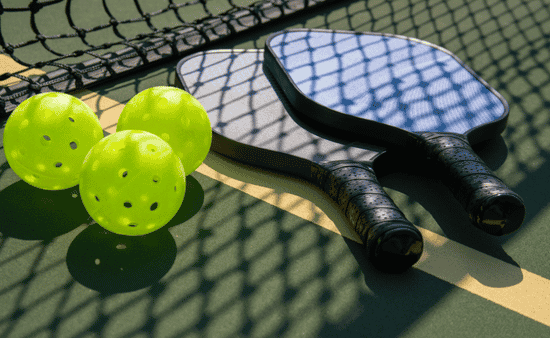
At the elite level, the physical skills of most players are relatively equal. What separates a champion from a runner-up is almost entirely mental. A professional must possess a “short memory,” meaning they can immediately move past a lost point or a missed opportunity without letting it affect their performance in the next rally.
Mental toughness also involves a deep level of concentration. During a match, players are surrounded by crowd noise, referee calls, and the movements of neighboring courts. A pro must develop the ability to narrow their focus until only the ball and the opponent exist.
This psychological stamina is built through hours of visualization, meditation, and exposure to increasingly difficult competition. Without a disciplined mind, even the fastest athlete will crumble under the weight of a gold-medal match.
Advanced Strategy and Point Construction
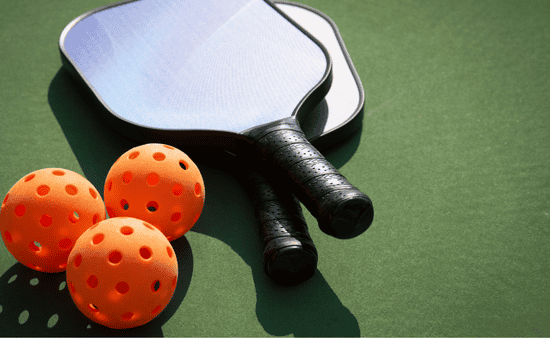
In a casual game, players often hit the ball as hard as possible, hoping to overpower their opponents. As highlighted by the rise of pickleball, the sport has evolved into a highly strategic competition at the professional level, where the game is more akin to high-speed chess. Point construction is the hallmark of a true expert. Instead of looking for an immediate winner, an elite player uses a series of calculated shots to move their opponent out of position.
Strategic play often revolves around the Non-Volley Zone, or the Kitchen. The goal is to force the opponent into a “pop-up,” which is a high, weak ball that can be easily smashed for a point.
Professionals achieve this through “dinking,” which is a soft, low shot that requires immense patience and touch. A pro understands exactly when to speed up the pace and when to reset the ball into the Kitchen to neutralize an attack. This chess-like approach to the court ensures that every movement has a specific purpose.
The Physical Demands of the Elite Circuit
Going pro requires a level of conditioning that far exceeds what is needed for social play. Professional matches can last for several hours, often in extreme heat. Athletes must maintain peak explosive power in their legs for lateral movements while retaining fine motor control in their hands for delicate shots.
A professional training regimen typically includes:
- Lateral Agility Drills: To improve the speed at which a player moves along the Kitchen line.
- Core Stability Training: To provide a solid foundation for powerful groundstrokes and overheads.
- Reaction Time Exercises: Using specialized equipment to sharpen the brain’s ability to track a fast-moving ball.
- Endurance Training: Building a cardiovascular base that prevents fatigue from clouding judgment during the final sets of a tournament.
The Importance of Technical Precision
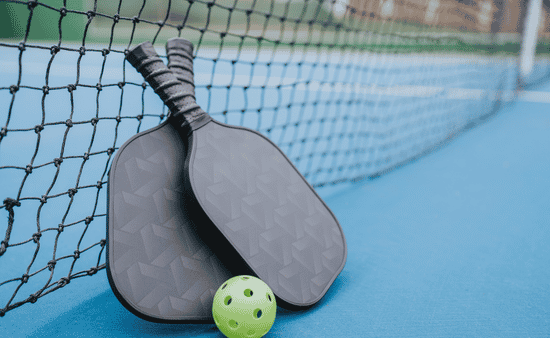
Precision is what allows a professional to hit the same small target on the court repeatedly. This involves mastering the mechanics of the serve, the return, and the third-shot drop. The third-shot drop is arguably the most difficult and important shot in the game, as it allows the serving team to move forward to the net safely.
Professionals spend thousands of hours on “drilling” rather than just playing matches. Drilling involves repetitive practice of a single shot to build muscle memory. When the pressure is high, a player cannot afford to think about their grip or their foot placement. The body must act instinctively.
While many look to young phenoms like Anna Leigh Waters for inspiration regarding technical speed and court coverage, the reality is that such proficiency is the result of years of dedicated, repetitive training starting from a very young age.
The Business of Being a Pro
Entering the professional ranks also means managing the logistical and financial side of the sport, which is one of the factors that explains what makes the best pickleball pros so unstoppable. Elite players must navigate a complex schedule of national tours, manage relationships with sponsors, and often travel across the country every weekend. This requires organizational skills and the ability to maintain health and nutrition while living out of a suitcase.
Moreover, the professional circuit is highly competitive. To earn a living, an athlete must consistently finish in the top brackets of tournaments to secure prize money and maintain their ranking. The pressure to perform is constant, as a few bad weeks can lead to a significant drop in standings and a loss of financial support.
Dedication Beyond the Court
True dedication extends to what a player does when they are not holding a paddle. This includes strict adherence to nutritional guidelines, prioritizing sleep for recovery, and spending hours reviewing match footage. Analyzing one’s own mistakes and studying the tendencies of opponents is a standard part of a professional’s work week.
The road to the professional level is paved with sacrifices. It often means missing social events, spending holidays at tournaments, and pushing through physical pain and mental exhaustion. However, for those who possess the right blend of mindset, strategy, and dedication, the reward is the opportunity to compete at the highest level of the world’s fastest-growing sport. It is a pursuit of excellence that demands nothing less than total commitment.