
Electricity powers nearly every aspect of modern business operations. From the servers hosting your data to the HVAC systems keeping your environment comfortable, a steady and safe flow of power is non-negotiable. However, because electrical systems are often hidden behind walls or locked within panels, they are easily overlooked until a failure occurs.
Prioritizing Regular Inspections
The cornerstone of any safety protocol is consistency. Electrical components degrade over time due to heat, load, and environmental factors. Without a schedule for regular inspections, minor issues can silently escalate into critical failures.
Frequency of Inspections
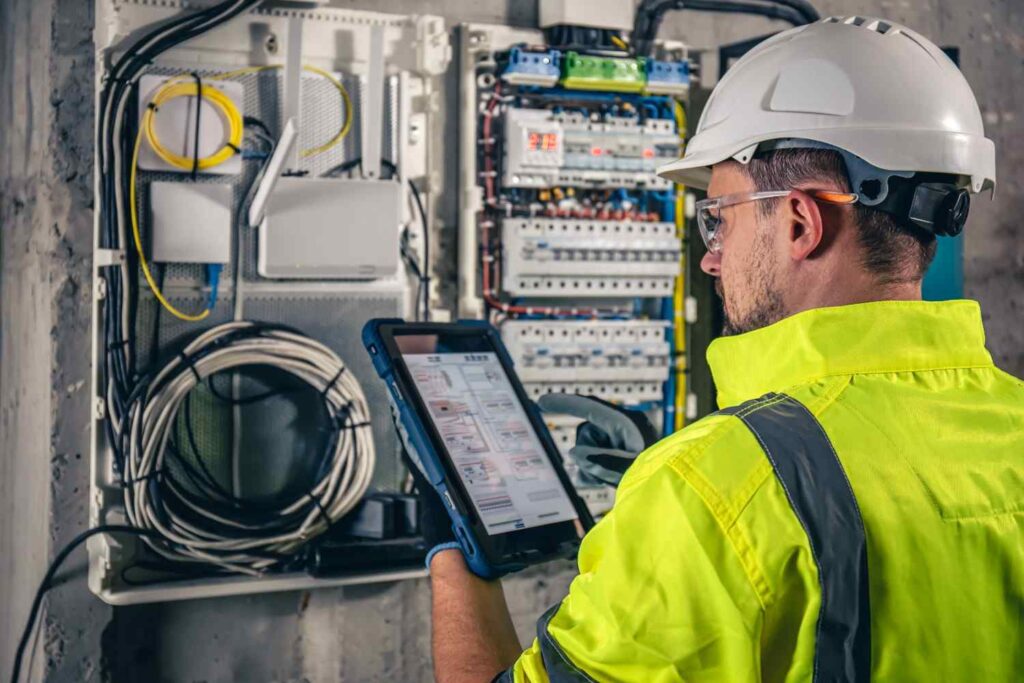
While specific requirements vary based on the size of the building and the nature of the business, a general rule of thumb suggests a thorough professional audit every 3 to 5 years. However, visual inspections should happen much more frequently—ideally on a monthly or quarterly basis. High-risk environments, such as manufacturing plants or facilities with heavy machinery, require even stricter schedules.
What to Look For
During your visual walkthroughs, keep an eye out for these common warning signs:
- Overloaded Circuits: Look for extension cords daisy-chained together or power strips plugging into other power strips. This is a clear sign that the existing outlets cannot support the current demand.
- Damaged Wiring: Check for frayed cords, cracked insulation on wires, or cables that are pinched by furniture. Rodents can also chew through wiring in ceilings or basements, creating immediate fire hazards.
- Hot Electrical Panels: If a breaker panel feels warm to the touch or emits a buzzing sound, it indicates a loose connection or an overloaded circuit. This requires immediate professional attention.
- Discolored Outlets: Scorch marks or discoloration around switch plates and outlets suggest that sparking or arcing has occurred inside the wall.
The Importance of Documentation
An inspection is only as good as its record. Maintain a detailed logbook of all maintenance activities, inspections, and repairs. Digital maintenance management systems (CMMS) can simplify this process. These records serve two purposes: they help you track the lifespan of your equipment, and they provide proof of due diligence in the event of an insurance claim or safety audit.
Surge Protection Strategies
Modern commercial buildings are packed with sensitive electronics. Computers, point-of-sale systems, security cameras, and smart building controls are all vulnerable to power surges. While lightning strikes are the most dramatic cause of surges, internal issues—such as the cycling of heavy motors in elevators or HVAC units—are far more common culprits.
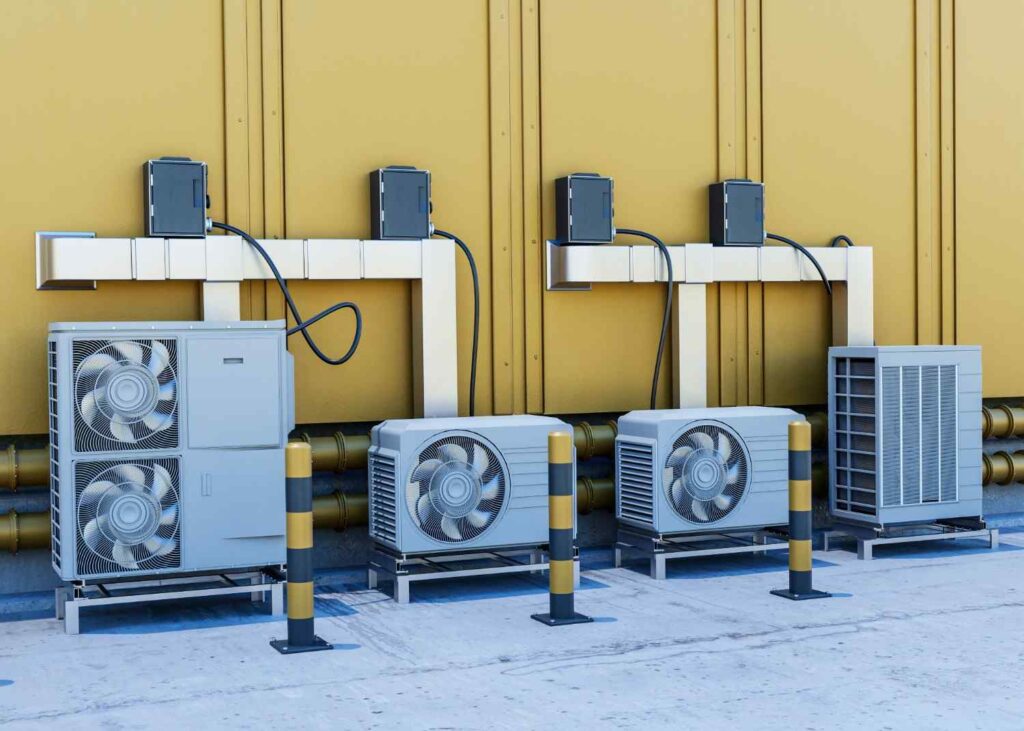
To protect your infrastructure, you must implement a tiered approach to surge protection:
Whole-Building Protection
Install surge protection devices (SPDs) at the main service entrance. This acts as the first line of defense, diverting large external surges (like those from grid switching or lightning) into the ground before they can enter your facility’s distribution system.
Point-of-Use Protection
Service entrance protection isn’t enough on its own. You also need protection at specific branch panels and at the point of use. Ensure that sensitive office equipment is plugged into high-quality surge protector strips. For critical data centers or medical equipment, consider uninterruptible power supplies (UPS) that condition the power and provide battery backup during outages.
Maintaining Emergency Lighting
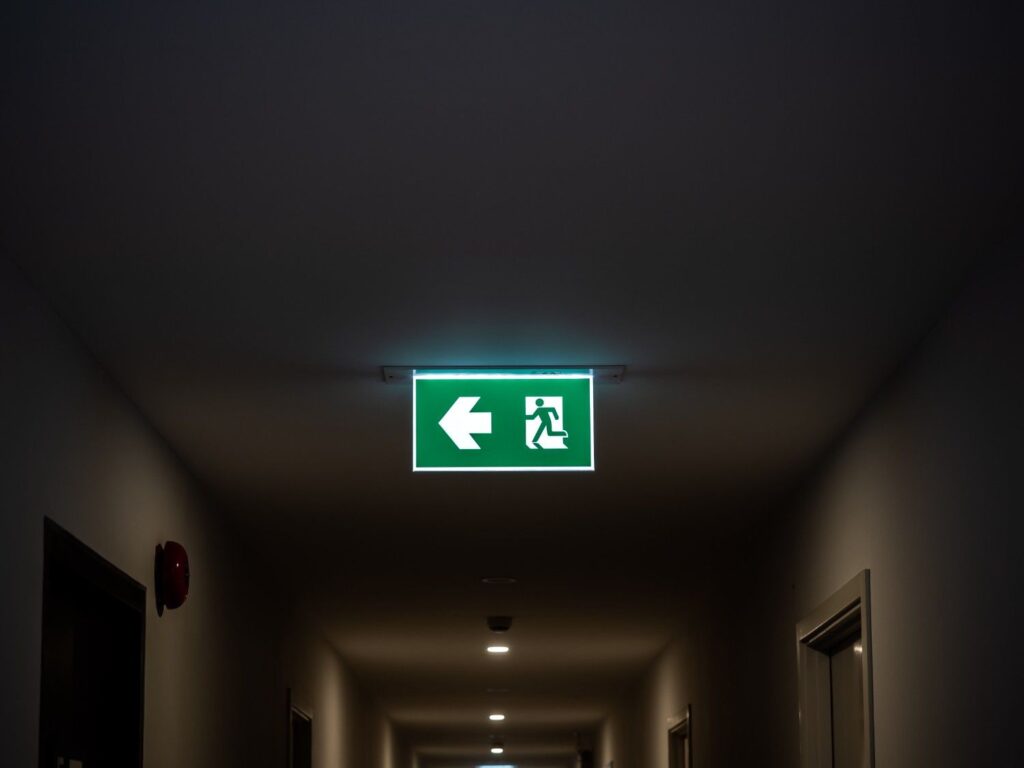
In the event of a power outage or a fire, visibility is the difference between a calm evacuation and panic. Emergency lighting and exit signs are strictly regulated by codes such as NFPA 101 (Life Safety Code), yet they are frequently neglected.
Functionality Tests
Emergency lights run on batteries that keep the fixtures illuminated when the main power cuts out. These batteries have a limited lifespan.
- The 30-Second Test: Every month, conduct a functional test by pressing the “test” button on the unit for 30 seconds. The lights should remain on without dimming.
- The 90-Minute Test: Once a year, you are required to perform a full discharge test. Cut the power to the units (usually via a breaker or specific switch) and ensure the lights stay illuminated for a full 90 minutes. This simulates a long-term emergency scenario.
If a unit fails either test, replace the battery or the entire fixture immediately. Clear, illuminated exit paths are non-negotiable for occupant safety.
The Value of Qualified Personnel
When budgets are tight, the temptation to assign electrical repairs to a general handyman or maintenance staff is strong. However, electrical work is complex and dangerous. Code violations from amateur work can lead to hefty fines, voided insurance policies, and severe safety hazards.
Why Licensing Matters
Licensed electricians understand the intricacies of the National Electrical Code (NEC) and local amendments. They know how to calculate loads correctly, ground systems properly, and select the right materials for the environment.
Finding the Right Help
Building a relationship with a reputable electrical contractor is essential. You want a partner who knows the history of your building. For instance, if your facility is located in the Midwest, partnering with experienced commercial electricians in Michigan ensures that your building meets specific regional codes and weather-related safety standards.
Always verify the credentials of any contractor you hire. Ask for proof of insurance, licensure, and references from similar commercial projects. This vetting process protects your business from liability in case of an accident during the project.
Conclusion
Electrical safety is not a box you check once and forget. It is an ongoing process that requires vigilance, investment, and expertise. By conducting regular inspections, installing robust surge protection, maintaining emergency systems, and relying solely on qualified professionals for repairs, you significantly reduce the risk of disaster.