
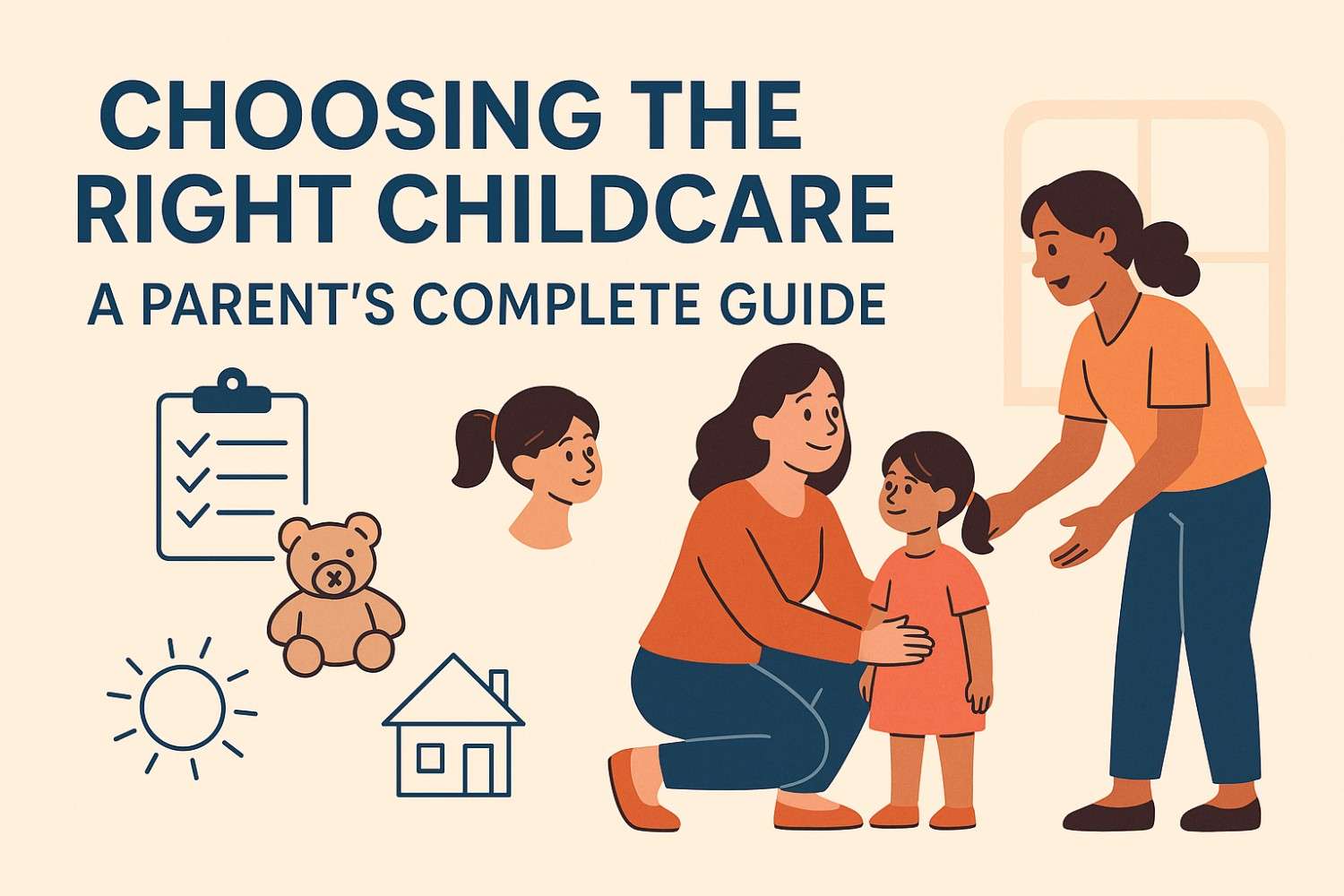
Finding the right childcare is a crucial decision for any parent. It’s more than just convenience; it’s about providing a safe, nurturing environment where your child can learn and grow. Whether you’re returning to work, seeking social development, or exploring early education, the process can be daunting. This guide will help you understand the key factors in choosing a quality provider.
Define Your Family’s Needs
The first step in selecting childcare is understanding your family’s specific needs. Consider your schedule, budget, work location, and the hours of care you require. Some families opt for full-time daycare, while others might need part-time or occasional help. Also, factor in your child’s age and temperament; infants need attentive, responsive care, whereas toddlers and preschoolers benefit from social opportunities and play-based learning. Childcare providers vary in size, structure, and educational philosophy. Defining your needs upfront helps you focus your search on options that align with your values and practical requirements.
Look for a Safe and Stimulating Environment
When evaluating a childcare facility, safety and cleanliness should be top priorities. Ensure there are secure entrances, childproofed areas, and clear emergency plans. The space should be clean, well-lit, and organized into age-appropriate learning zones. A quality program does more than just provide a safe space; it encourages learning through play and exploration. Look for engaging toys, books, sensory activities, and opportunities for outdoor play. It’s also important to observe how caregivers interact with the children. A warm, respectful tone and eye-level communication are signs of a positive, nurturing environment.

Evaluate Caregiver Qualifications and Interactions
The staff forms the core of any childcare program. Caring, experienced, and qualified caregivers significantly influence your child’s development. Inquire about their credentials, experience, and ongoing training in child development or CPR/first aid. Reputable centers seek individuals passionate about working with children. During your visit, observe how caregivers interact: Are they nurturing, attentive, and actively involved in guiding play? Low child-to-caregiver ratios are crucial, particularly for infants and toddlers, as smaller groups foster stronger relationships and better supervision.

Curriculum and Daily Structure
Young children learn best through play, but a well-structured curriculum is essential for supporting their social, emotional, physical, and cognitive development. When evaluating childcare providers, ask about their daily schedule. A good routine includes activities like circle time, music, storytelling, arts, sensory play, naps, and meals. High-quality programs balance child-led and teacher-guided experiences, encouraging exploration and problem-solving while accommodating each child’s interests and pace. A thoughtfully designed curriculum not only fosters learning but also helps prepare children for preschool and beyond.
Open Communication and Parental Involvement
High-quality childcare providers prioritize strong communication with parents. They use daily verbal updates, written notes, or online apps to keep you informed about your child’s activities, learning, and well-being. Good programs welcome parental input and update families on their child’s progress, behavior, and milestones. They also offer involvement opportunities, such as parent-teacher meetings, special events, or classroom volunteering. This transparent, collaborative relationship builds trust and ensures consistent care for your child.

Check Licensing, Accreditation, and Reviews
Always ensure a provider is state-licensed and follows health and safety regulations. Licensing guarantees that the childcare program meets basic standards for staff qualifications, group sizes, and facility conditions. Some childcare providers in Salt Lake City may also seek accreditation, which reflects a commitment to even higher standards of quality and care. Although not mandatory, accreditation demonstrates dedication to best practices. Additionally, reading reviews and asking other families for references can provide valuable insights into a program’s strengths and reputation.
Conclusion
Selecting the right childcare means choosing a place where your child feels safe, supported, and encouraged to grow. From assessing staff and curriculum to evaluating the environment and communication, every detail contributes to a positive early experience. Families can find peace of mind by prioritizing programs that align with their values and meet their child’s unique needs. With the right provider, children can thrive socially, emotionally, and academically—laying a strong foundation for the future.