
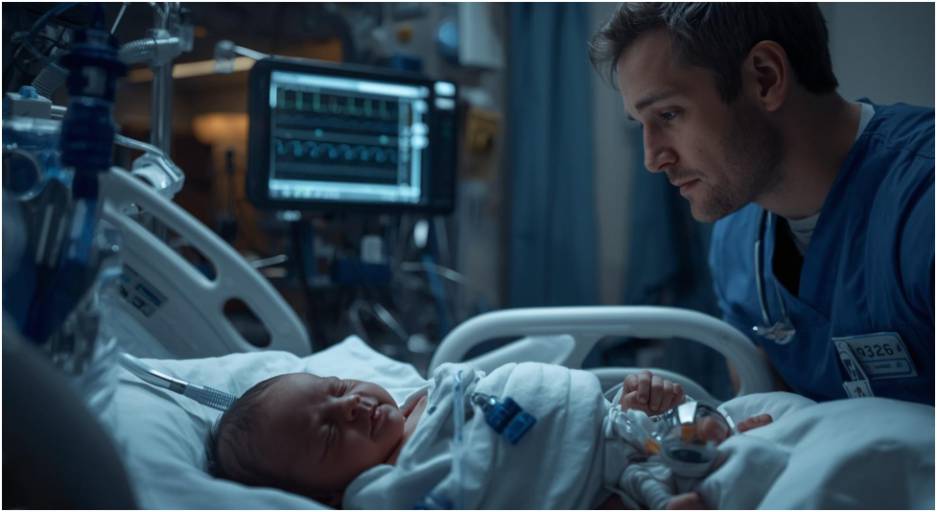
Airway management in high-risk neonates requires careful planning due to delicate anatomy, immature lung development, and rapidly shifting clinical conditions. Rather than following a fixed approach, clinicians rely on a combination of clinical judgment and patient-specific details to determine the most appropriate airway device.
Early in the care process, neonatal airway device management becomes essential for stabilizing breathing and maintaining adequate gas exchange. High-risk neonates, including preterm infants and those with congenital abnormalities, present unique airway challenges that demand precise evaluation before selecting any device.
Key Clinical Factors Affecting Device Selection
Gestational Age And Birth Weight

Gestational age and birth weight strongly influence airway structure and lung function. Extremely preterm infants have narrow airways and underdeveloped lungs, which increases the difficulty of airway device placement. The reduced lung compliance in these infants requires careful control of ventilation pressures to prevent injury.
In addition, fragile mucosal tissues raise the risk of trauma, making accurate sizing and gentle handling essential during airway intervention.
Underlying Medical Conditions
Specific medical conditions play a central role in determining the most suitable airway approach. Congenital airway anomalies may alter normal anatomy, making standard devices less effective or harder to position.
Respiratory distress syndrome affects the infant’s ability to maintain adequate ventilation, which influences the level of respiratory support required. Neuromuscular conditions can reduce spontaneous breathing efforts, increasing reliance on assisted ventilation and guiding the selection of more supportive airway devices.
Urgency Of Intervention
The urgency of the clinical situation directly impacts airway decision-making. In emergency scenarios, rapid airway stabilization becomes the priority, leaving little time for detailed assessment. Quick and reliable device placement is necessary to restore adequate oxygenation.
In contrast, planned interventions allow for a more thorough evaluation of airway anatomy and respiratory needs, enabling a more tailored and precise choice of device.
Device-Specific Considerations
Ease Of Placement And Skill Level
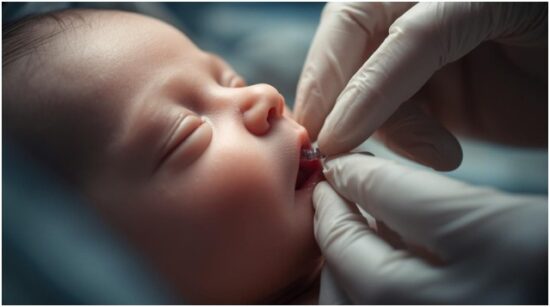
The complexity of airway devices varies, and the clinician’s expertise significantly affects the success of placement. Some questions you must ask before going for the procedure as some devices are designed for rapid insertion, making them suitable for urgent situations.
Others require advanced skills and precise technique, which may limit their use to experienced providers. Consistent training and familiarity with airway tools improve placement success and reduce complications.
Ventilation Requirements
Different airway devices provide varying levels of respiratory support, and the selection must align with the neonate’s ventilation needs.
Some devices support spontaneous breathing while delivering supplemental oxygen, while others provide controlled mechanical ventilation. Matching the device to the infant’s respiratory status ensures effective gas exchange and reduces the risk of over- or under-ventilation.
At this stage of care, neonatal airway device management sometimes requires ongoing reassessment. As the infant’s condition evolves, adjustments to the airway strategy may become necessary to maintain optimal respiratory support.
Risk Of Complications
Each airway device carries potential risks that must be carefully considered. Improper sizing can lead to airway trauma, while prolonged use of certain devices increases the likelihood of infection. Pressure-related injuries may occur if ventilation settings are not properly controlled. Continuous monitoring helps identify early signs of complications and allows for timely intervention.
A reliable provider ensures consistent device quality, immediate availability, and designs suited for delicate neonatal airways. In high-risk situations, dependable equipment supports accurate placement, stable ventilation, and reduces the risk of complications, directly contributing to safer and more effective care. Thoughtful evaluation and timely adjustments help improve respiratory outcomes and reduce the risk of complications in this vulnerable population.