Embarking on a new hobby can be a deeply rewarding experience, especially when it involves collecting. For beginners, the world of collecting might seem vast and overwhelming, but with the right approach, it can become a source of immense joy, personal growth, and lasting value. This guide will walk you through the essential steps to beginning a meaningful collection right now.
Defining Your Collecting Niche
Understanding Your Interests and Passions
The foundation of any great collection lies in the genuine passion of the collector. Rather than picking items based on perceived future value or passing trends, look inward to identify subjects that truly fascinate you. Think about the topics that naturally capture your attention during your free time.
Perhaps you have a deep appreciation for historical artifacts, a love for vintage fashion, or an interest in rare botanicals. Selecting a niche that resonates with your personal interests ensures that your hobby remains engaging over the long term. This intrinsic motivation is vital because building a meaningful collection requires patience, dedication, and a willingness to learn continuously.
Researching Potential Collection Areas
Once you have identified a broad area of interest, the next step involves narrowing down your focus through dedicated research. A well-defined niche prevents your collection from becoming a cluttered assortment of unrelated items. Read books, explore online forums, and visit local libraries to gather information about your chosen field.
Understanding the history, rarity, and variations of the items you wish to collect will help you make informed decisions. This phase is all about familiarizing yourself with the landscape. You will quickly learn which pieces are highly sought after and which are more accessible for beginners. Comprehensive research lays a solid groundwork, allowing you to build your collection with confidence and a clear sense of direction.
Setting Clear Goals and Budgets

Establishing What You Want to Achieve
Before making your first acquisition, take a moment to define what success looks like for your collection. Some collectors aim to complete a specific set, while others prefer to gather items that represent a particular era or artistic movement. Setting clear goals gives your collecting journey a sense of purpose and helps you avoid impulsive purchases that do not align with your overarching vision.
Consider whether you want to focus on quality or quantity. A smaller collection of pristine, highly significant items often provides more satisfaction than a massive hoard of mediocre pieces. By establishing concrete objectives early on, you create a roadmap that will guide your decisions and keep you focused as your collection grows.
Creating a Realistic Financial Plan
Collecting can easily become an expensive endeavor if not managed carefully. To ensure your new hobby remains a source of joy rather than financial stress, you must establish a realistic budget. Determine how much disposable income you can comfortably allocate to your collection each month or year.
Factor in not just the cost of the items themselves, but also the hidden expenses associated with shipping, insurance, storage, and preservation materials. It is essential to stick to your budget, even when presented with a tempting opportunity. Developing financial discipline early in your journey will allow you to build a substantial and valuable collection over time without compromising your overall financial stability.
Sourcing and Acquiring Your First Pieces
Exploring Different Acquisition Channels
Finding the right items for your collection is an exciting process that involves exploring a variety of different channels. Depending on your niche, you might scour local antique shops, attend specialized auctions, or visit flea markets. Online marketplaces and specialized dealer websites also offer a vast array of options for collectors worldwide.
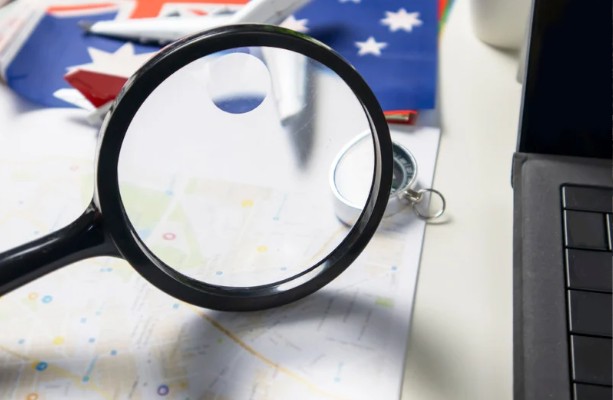
For example, if you are interested in vintage toys, you might hunt for classic model airplanes at a specialized hobbyist estate sale. Building relationships with reputable dealers and other collectors can also provide access to rare pieces before they reach the general public. Diversifying your sourcing methods increases your chances of finding unique items at fair prices, enriching the overall diversity of your collection.
Verifying Authenticity and Condition
As you begin acquiring pieces, learning to verify their authenticity and assess their condition becomes an essential skill. Reproductions and counterfeits are common in many collecting niches, and purchasing one by mistake can be a costly setback. Take the time to study the specific markers of authenticity for your items, such as maker’s marks, materials used, and historical manufacturing techniques.
Condition is equally important, as it heavily influences both the aesthetic appeal and the monetary value of a piece. Learn grading systems relevant to your field, and always examine potential purchases closely for signs of damage, repair, or excessive wear. Prioritizing authentic pieces in good condition will ensure the long-term integrity of your collection.
Organizing and Preserving Your Collection
Effective Storage Solutions
Proper storage is critical to maintaining the quality and value of your collection. Items left exposed to direct sunlight, extreme temperatures, or high humidity can deteriorate rapidly. Invest in storage solutions designed specifically for your types of items. This might include acid-free boxes for paper goods, UV-filtered display cases for sensitive materials, or climate-controlled cabinets for delicate objects.
Thoughtful organization also enhances your ability to enjoy and share your collection. Implement a logical system for arranging your items, whether chronologically, categorically, or aesthetically. A well-organized and safely stored collection not only protects your investment but also allows you to appreciate the beauty and significance of your pieces every day.
Best Practices for Conservation
Beyond basic storage, understanding the principles of conservation is crucial for long-term preservation. Different materials require different care routines. For instance, metal objects may need regular polishing or rust prevention treatments, while textiles should be protected from moths and handled with clean cotton gloves to prevent oil transfer.
Avoid using harsh chemicals or abrasive cleaning methods that could cause irreversible damage. When dealing with highly valuable or fragile items, it is often best to consult with a professional conservator before attempting any cleaning or restoration yourself. Implementing best practices for conservation ensures that your collection remains vibrant and intact for future generations to admire.
Documenting Your Collection’s Story
Keeping Records of Acquisitions
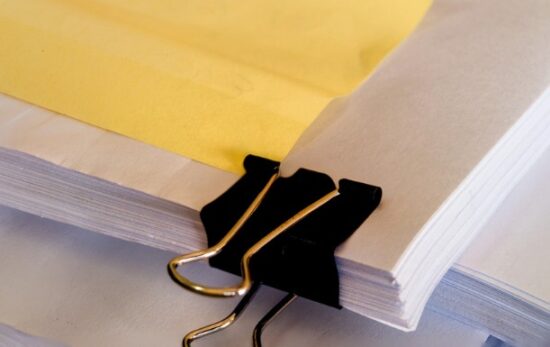
A truly meaningful collection is accompanied by thorough documentation. Maintaining a detailed inventory of your acquisitions is not only practical for insurance purposes but also adds historical depth to your hobby. Create a catalog that includes high-quality photographs, purchase dates, prices paid, and the origin or provenance of each item.
You can use specialized software, a simple spreadsheet, or a dedicated physical ledger for this task. Keeping accurate records helps you track the growth of your collection and provides a clear overview of your financial investment. As part of healthy self care steps, this organized routine can also reduce stress by giving you more control over your hobby. Furthermore, this documentation becomes an invaluable resource if you ever decide to sell, trade, or pass down your collection.
Understanding the Narrative of Your Pieces
Every item in your collection has a story, and uncovering that narrative is one of the most rewarding aspects of the hobby. Research the history of individual pieces, the artisans who crafted them, or the historical context in which they were used. Documenting these stories transforms your collection from a mere gathering of objects into a curated museum of personal and historical significance.
Write down the fascinating anecdotes you discover and keep them alongside your inventory. When you share your collection with others, these narratives bring the items to life, allowing observers to appreciate the deeper meaning and cultural value behind each carefully selected piece.
Engaging with the Collecting Community
Connecting with Fellow Collectors
Collecting does not have to be a solitary pursuit. Engaging with a community of fellow enthusiasts can significantly enhance your experience. Seek out local clubs, attend conventions, and join online forums dedicated to your specific niche. Connecting with others who share your passion provides a platform for trading items, exchanging knowledge, and celebrating exciting new finds.
The camaraderie found within these groups often leads to lasting friendships and valuable networking opportunities. Surrounding yourself with like-minded individuals creates a supportive environment where you can freely discuss your hobby and find encouragement during your collecting journey.
Learning from Experts and Enthusiasts
The collecting community is filled with seasoned experts and long-time enthusiasts who possess a wealth of knowledge. Take advantage of their experience by asking questions, seeking advice, and listening to their stories. Many experienced collectors are more than happy to mentor beginners, offering insights on market trends, sourcing strategies, and preservation techniques.
Pay attention to the mistakes they have made and the lessons they have learned to avoid common pitfalls in your own journey. By actively participating in community discussions and absorbing the wisdom of those who have come before you, you will rapidly develop your own expertise and elevate the overall quality of your collection.
Conclusion
Starting a meaningful collection is more than just accumulating objects; it is about curating a personal narrative and finding joy in the pursuit of knowledge. As a beginner, you now have the tools to embark on this enriching journey. Enjoy each step, from the thrill of discovery to the ultimate satisfaction of preserving your treasures. Your collection will leave a great legacy.