
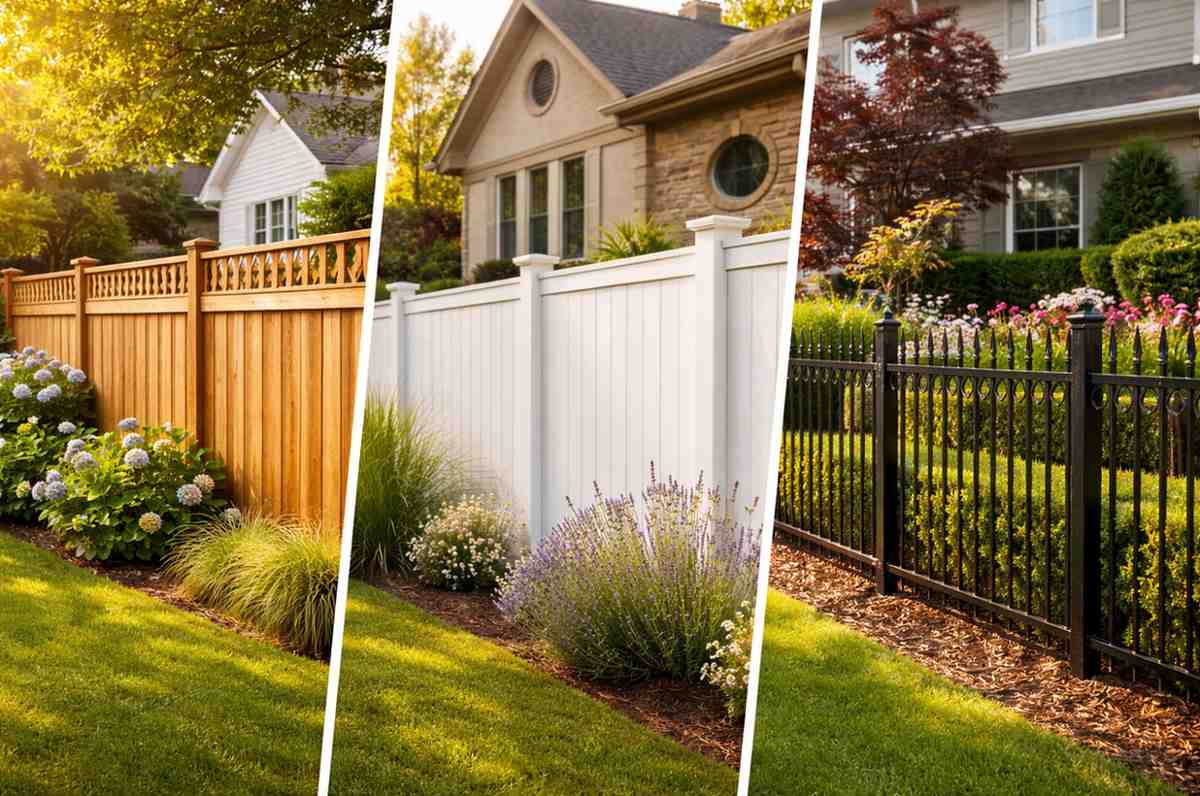
Choosing the right fence for your property isn’t just about marking boundaries—it’s about enhancing security, privacy, and curb appeal. With so many materials available, homeowners often face a tough decision: should they go with wood, vinyl, or metal? Each option has unique benefits and drawbacks, and understanding them can save you time, money, and frustration—especially when considering long-term Property Operations and Maintenance requirements.
Wood Fences: Classic Beauty and Versatility

Wood has long been a favorite for residential fencing due to its natural beauty and flexibility. Available in cedar, pine, redwood, and other species, wood fences can be customized with various stains, paints, and designs to match any home style. From classic picket fences to tall privacy panels, wood offers nearly unlimited design possibilities.
Pros of Wood Fencing:
- Natural and warm aesthetic that complements most landscapes
- Highly customizable in height, color, and style
- Can be repaired easily by replacing individual boards
Cons of Wood Fencing:
- Requires regular maintenance, including staining or painting
- Susceptible to rot, warping, and insect damage
- Lifespan may be shorter compared to vinyl or metal
Wood fences are ideal for homeowners who value aesthetics and want a traditional look. However, they require commitment to upkeep to maintain their charm over time.
Vinyl Fences: Low-Maintenance and Durable
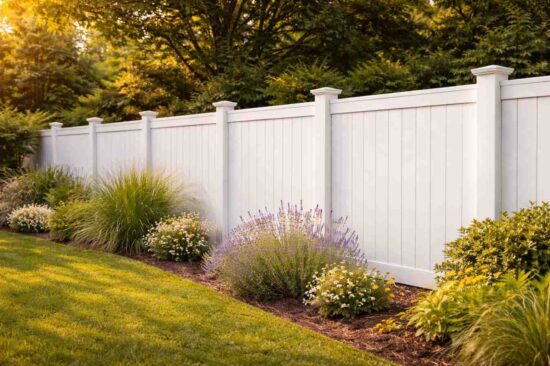
Vinyl fencing has grown in popularity for its durability and low-maintenance qualities. Made from PVC, vinyl fences resist moisture, insects, and fading, making them perfect for climates with extreme weather conditions. They come in various styles—from privacy fences to picket designs—and can mimic the look of wood without the maintenance headaches.
Pros of Vinyl Fencing:
- Extremely low maintenance—no staining or painting required
- Resistant to rot, climate change and insects.
- Long-lasting and easy to clean
Cons of Vinyl Fencing:
- Limited color options compared to wood
- Can be more expensive upfront
- Some styles may look less natural than wood
Vinyl fences are perfect for homeowners who want a clean, modern look without frequent maintenance. They’re especially popular for families who want a durable, child- and pet-friendly option.
Metal Fences: Strength, Security, and Elegance
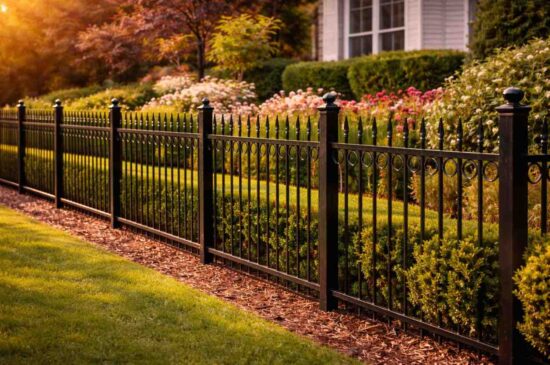
Metal fences, including wrought iron, aluminum, and steel, offer unmatched durability and security. While wrought iron delivers a classic, ornate look, aluminum provides a lightweight, rust-resistant alternative that requires less upkeep. Metal fences are ideal for both decorative and security purposes, making them a versatile choice for many properties.
Pros of Metal Fencing:
- Extremely durable and long-lasting
- Offers high security and visibility
- Can be customized with intricate designs
Cons of Metal Fencing:
- Typically more expensive than wood or vinyl
- Requires occasional maintenance to prevent rust (especially iron)
- Less privacy unless combined with panels or landscaping
Metal fencing can also support integrated features such as lighting, automated gates, and security systems. When incorporating these elements, proper electrical safety practices are essential to ensure wiring, grounding, and installations comply with local codes and prevent hazards.
If security and elegance are priorities, metal fences are worth considering. Many homeowners in the area rely on services like custom metal fabrication in Salt Lake City to create unique, tailored designs that elevate their property’s appearance while providing maximum protection.
Choosing the Right Fence for Your Home
When selecting a fence material, consider your primary goals: privacy, security, maintenance, and budget. Wood offers charm and versatility but requires upkeep. Vinyl delivers durability with minimal maintenance, while metal provides strength, elegance, and long-term value.
Other factors to consider include:
- Climate: Wood may struggle in wet or humid areas; vinyl and aluminum handle moisture well.
- Style: Match your fence to your home’s architecture for cohesive curb appeal.
- Cost: Factor in both upfront expenses and long-term maintenance.
- Longevity: Metal and vinyl typically outlast wood with less intervention.
Final Thoughts
Your fence is more than just a boundary—it’s a statement. Whether you choose wood for classic appeal, vinyl for convenience, or metal for strength and security, making an informed choice ensures your fence serves your home for years to come. For unique and durable designs, especially if you’re considering a metal option, connecting with custom metal fabrication in Salt Lake City can help turn your vision into reality.
Investing time in understanding each material’s strengths and limitations will ensure your fence not only protects your property but also enhances its beauty and value.