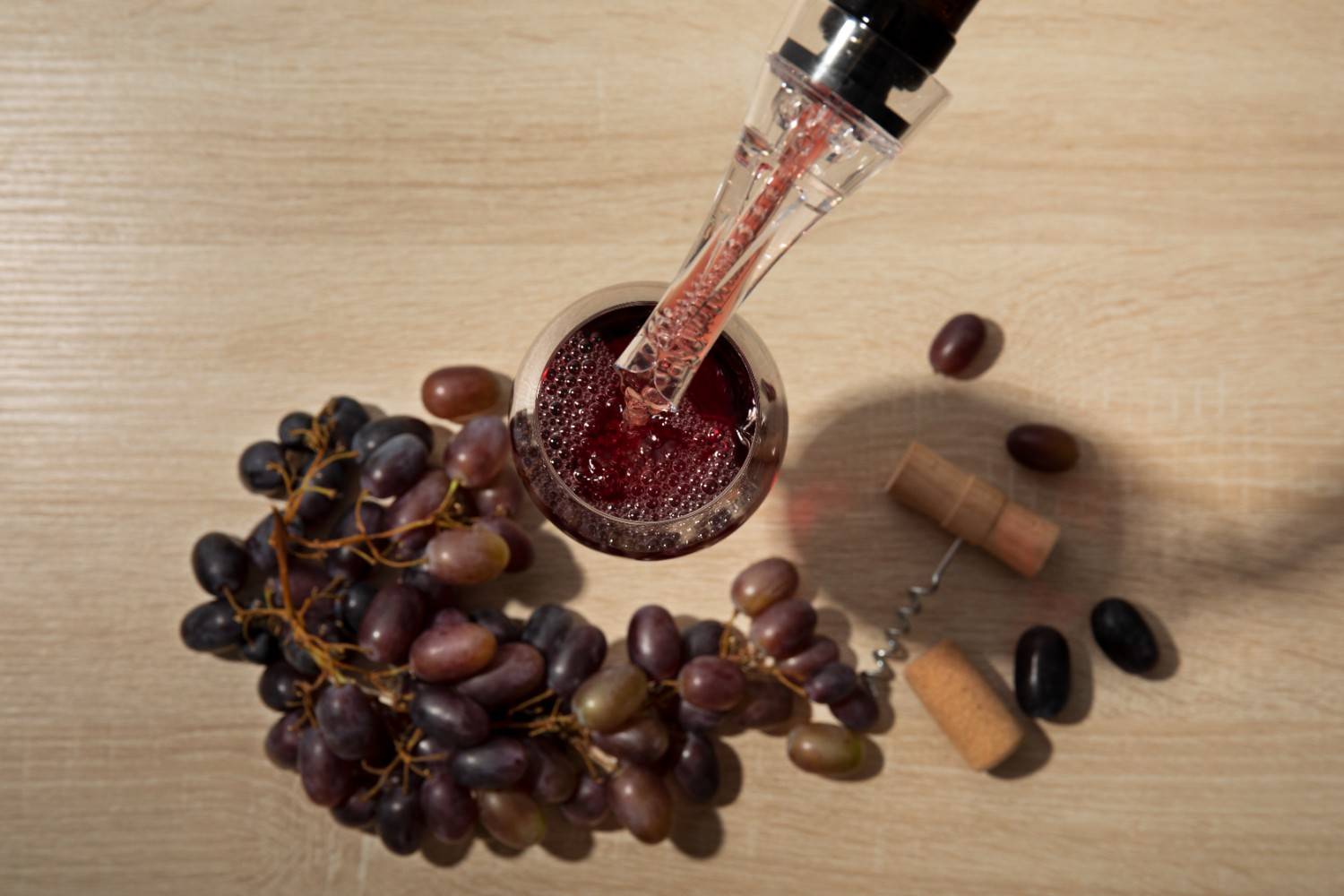
Wine is a living beverage that changes over time through chemical reactions. This aging process is essential for developing complexity in wines like Cabernet Sauvignon and is highly dependent on environmental conditions, with temperature being the most critical factor. Incorrect temperatures can alter the speed of these reactions and spoil the wine.
The Ideal Temperature Range
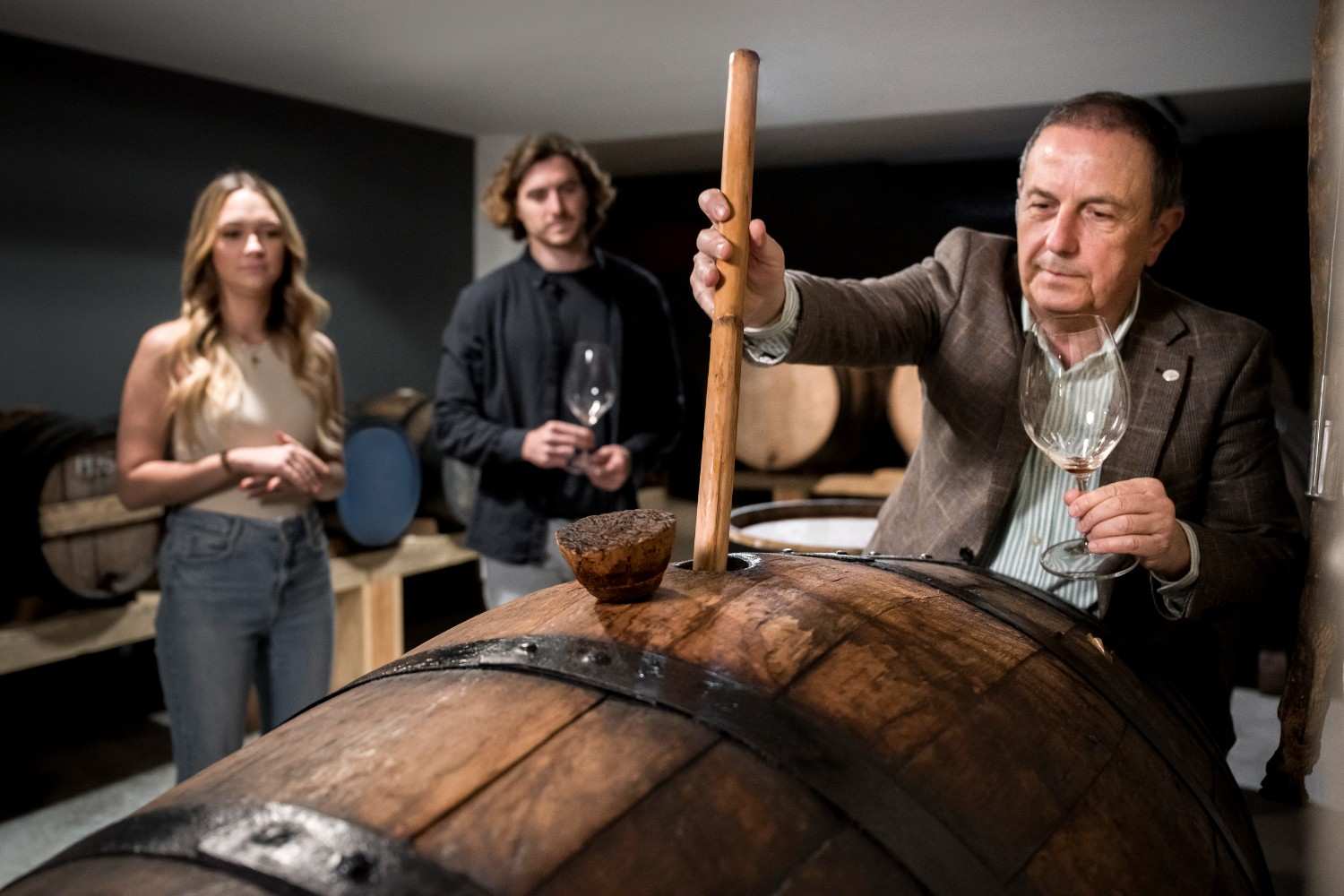
Experts generally agree that the absolute sweet spot for long-term aging is 55 degrees Fahrenheit (13 degrees Celsius). At this specific temperature, the chemical reactions inside the bottle occur at an optimal, steady pace. The wine develops complex secondary and tertiary characteristics without losing its vibrant fruit notes.
It is acceptable to keep wine between 50 and 59 degrees Fahrenheit, provided the environment remains highly stable. Colder environments will simply slow down the aging process. If you keep a bottle at 45 degrees, you might need to wait much longer for it to reach its peak. Conversely, edging closer to 60 degrees will accelerate maturation.
The Chemistry of Maturation
When kept at the ideal temperature, the phenolic compounds inside the bottle slowly bind together. Tannins—the compounds that cause a drying sensation in your mouth—polymerize and drop to the bottom of the bottle as sediment. This chemical evolution results in a smoother mouthfeel and a more balanced aromatic profile. Staying strictly within the 55-degree range ensures this delicate chemistry unfolds exactly as the winemaker intended.
The Dangers of Heat Damage
Heat acts as the ultimate enemy of fine wine. When temperatures climb above 70 degrees Fahrenheit, the wine ages rapidly and unpredictably. The delicate fruit flavors flatten out, leaving behind a dull, lifeless beverage. The fresh notes of berry or citrus quickly turn into heavy, syrupy flavors that lack structural balance.
At extreme temperatures—often anything above 80 degrees—the wine literally begins to cook. “Maderized” or cooked wine often smells like stewed fruit, burnt sugar, or roasted nuts. High heat also causes the liquid inside the bottle to expand. This expansion pushes the cork outward, breaking the airtight seal. Once oxygen enters the bottle, premature oxidation occurs. The wine turns brown and eventually takes on the harsh, acidic taste of vinegar.
How to Spot a Damaged Bottle
You can often identify heat damage before you even pull the cork. Look closely at the top of the bottle. If the cork is protruding slightly past the rim of the glass, the wine has likely experienced thermal expansion. Additionally, check the foil capsule for a sticky residue. When the liquid expands and pushes past the cork, it leaves behind a sticky trail of dried wine.
Fluctuations vs. Consistency
Maintaining a specific number on the thermometer matters, but consistency matters even more. Rapid temperature shifts create an ongoing cycle of expansion and contraction inside the glass. A room that swings from 60 degrees during the day to 50 degrees at night will quietly destroy a vintage over the course of a single year.
As the temperature rises, the liquid and air inside expand, pushing against the cork. When the temperature drops, they contract, creating a vacuum that pulls air back in. This constant pushing and pulling eventually degrades the cork’s structural integrity. Small amounts of oxygen slowly seep into the bottle. Over time, this microscopic breathing oxidizes the wine and destroys the subtle flavors you were hoping to preserve.
Humidity and Light
While temperature dictates the speed of aging, humidity and light play crucial supporting roles. A proper cellar should maintain a relative humidity level between 60 and 70 percent. This moisture keeps the cork from drying out. A dry cork shrinks, allowing harmful oxygen to enter the bottle. However, humidity over 80 percent can cause mold to grow on the labels, ruining the bottle’s aesthetic and resale value.
Light, particularly ultraviolet (UV) rays, degrades the organic compounds in wine. UV light reacts with the amino acids, creating foul-smelling sulfur compounds. This phenomenon is commonly known as “lightstrike.” Keeping bottles in a dark environment ensures the liquid remains safe from these environmental threats.
Professional Storage Solutions
A simple wine rack in the kitchen or dining room works perfectly for bottles you plan to drink within a few weeks. But as your collection grows in size and value, home storage often falls short. Kitchens experience massive temperature swings from cooking, while closets lack proper ventilation and humidity control.
Upgrading to a dedicated wine fridge offers a great middle ground for casual collectors. For serious enthusiasts, a custom climate-controlled cellar or an off-site professional vault becomes necessary. Utilizing a secure wine storage facility in Hayward provides commercial-grade climate control, backup generators, and optimal humidity. These specialized spaces eliminate the stress of monitoring conditions yourself.
Features of a Professional Vault
Professional cellars offer more than just a chilling unit. They feature heavy insulation to prevent temperature fluctuations, commercial humidifiers, and security systems to protect high-value collections. They also account for vibration. Heavy vibrations from household appliances or street traffic can disturb the sediment in older bottles and prematurely age the wine. Professional vaults sit in quiet, stabilized environments that let the wine rest completely undisturbed.
Conclusion
Protecting your wine collection requires attention to detail and a commitment to stability. By keeping your bottles at a steady 55 degrees Fahrenheit, avoiding sudden climate shifts, and managing light and humidity, you allow the complex chemistry of aging to work its magic.