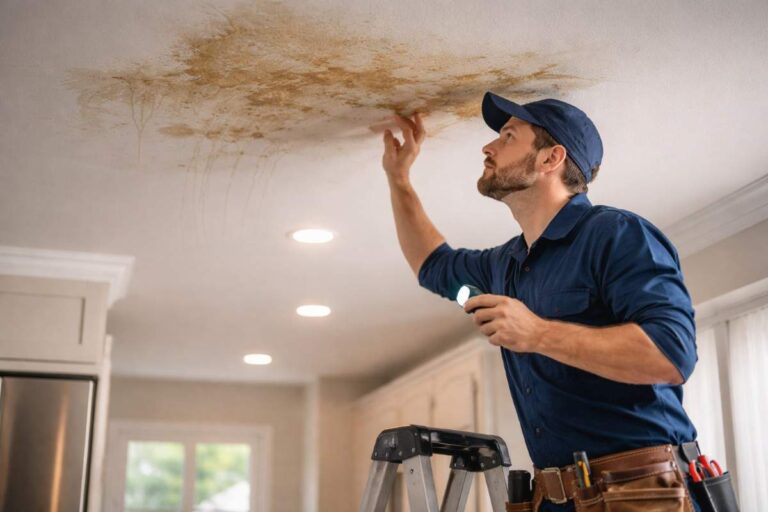
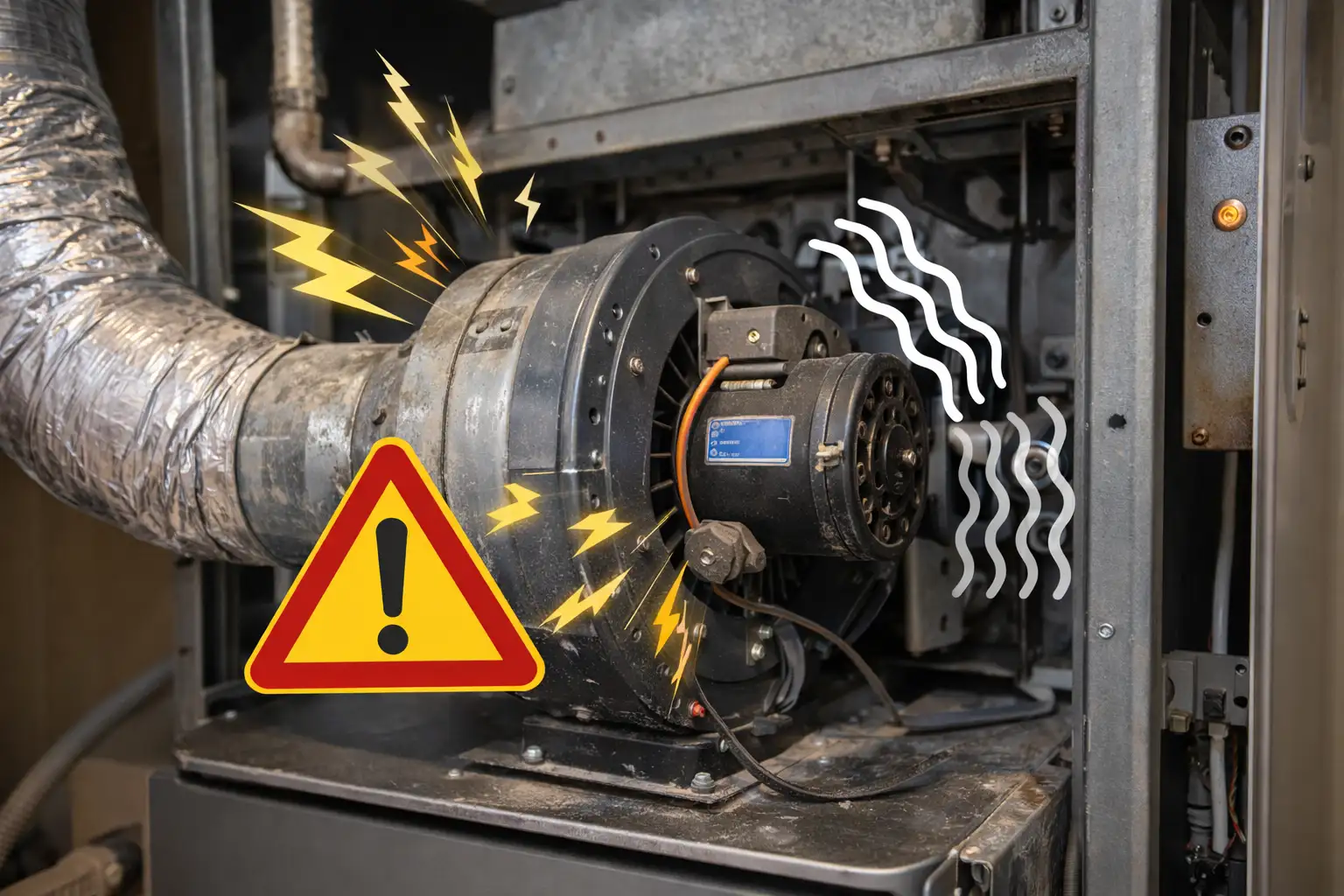
Your HVAC system is essential for home comfort but is subject to wear and tear over time. While issues like clogged filters or weak motors can go unnoticed until a major breakdown, early warning signs such as unusual sounds, smells, or poor performance can alert you to problems. Addressing these signs early can help you prevent costly emergency repairs and extend your system’s lifespan.
Things That Go Bump in the Night (and Day)
Modern HVAC systems are designed to operate relatively quietly. You should hear the gentle hum of the motor engaging or the soft whoosh of air moving through the vents, but that’s about it. If your furnace or air conditioner starts making sounds that resemble a construction site, it is crying out for help.
Different noises often point to specific problems. A loud rattling or banging sound usually suggests that something inside the unit has come loose. This could be a screw, a bolt, or even a motor mount. While it might sound like a minor annoyance, a loose part can tear through other components, turning a ten-dollar fix into a thousand-dollar nightmare.
On the other hand, a high-pitched squealing or screeching noise is typically associated with belt or motor bearing issues. If it’s a belt, it might just need lubrication or replacement—a quick and cheap job. If it’s the bearings on the fan motor, ignoring the sound could lead to the motor seizing up entirely.
Never dismiss these auditory cues as just “old house noises.” If your HVAC is louder than usual, it’s time to investigate.
The Frustration of Reduced Airflow
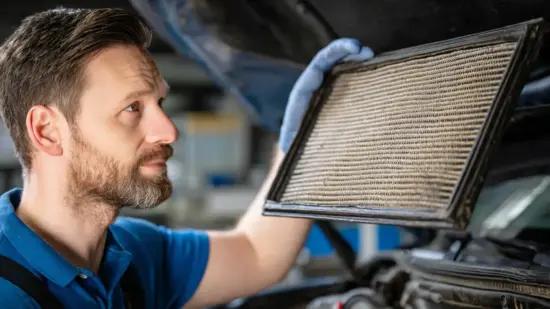
Have you ever put your hand up to a vent and felt like the air was barely trickling out? Weak airflow is a common sign that your system is struggling to breathe. When airflow is restricted, your HVAC unit has to work twice as hard to cool or heat your home, which accelerates wear and tear on the compressor and fan.
The most common culprit is often the simplest: a dirty air filter. If the filter is clogged with dust, pet hair, and debris, air cannot pass through efficiently. This is the first thing you should check. However, if you swap in a fresh filter and the airflow is still weak, the problem lies deeper in the system.
It could be a sign of a failing blower motor that can no longer push air through the ductwork with enough force. Alternatively, you might have issues within the ducts themselves. Leaks, cracks, or even blockages in the ductwork can allow conditioned air to escape into your attic or crawlspace before it ever reaches your living rooms.
This not only wastes energy but also leaves your home feeling stuffy and uncomfortable.
Dealing With Inconsistent Temperatures
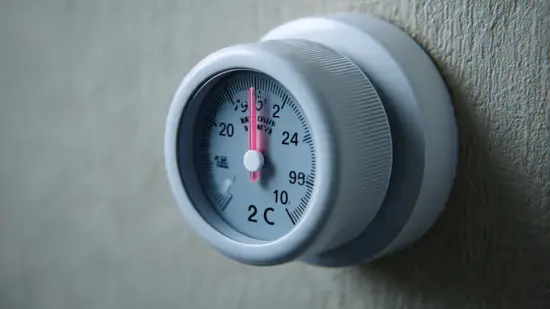
You set your thermostat to 72 degrees, expecting the whole house to reach that comfortable baseline. But maybe you’ve noticed that the living room feels like a sauna while the bedroom feels like an icebox. Or perhaps you’re constantly adjusting the thermostat because the system can’t seem to hold a steady temperature.
Inconsistent temperatures are a clear indicator that your HVAC system is losing its efficiency. This can happen for several reasons. It might be a calibration issue with the thermostat itself, meaning the brain of the operation isn’t reading the room correctly.
It could also stem from damaged motors or low refrigerant levels, which prevent the system from producing enough hot or cold air to circulate throughout the entire square footage of your house.
Sometimes, this points to issues with the “zone” dampers in your ductwork, or inadequate insulation. But if your system used to cool the house evenly and now fails to do so, it is a sign of mechanical decline.
Ignoring this leads to a cycle of overworking the unit, as it runs longer and longer in a futile attempt to balance the temperature.
Trust Your Nose: Strange Odors
Your HVAC system should provide clean, neutral-smelling air. If you turn on your unit and are hit with a pungent odor, you need to act fast. Your nose is often the best diagnostic tool you have for identifying potential safety hazards.
A musty, damp smell typically indicates the presence of mold or mildew inside your ductwork or on the evaporator coils. Because air conditioners remove moisture from the air, the condensation can sometimes pool and create a breeding ground for biological growth.
Breathing in mold spores constantly can lead to respiratory issues and allergies for your family.
More concerning is a burning smell. When you turn on your heater for the first time in autumn, a slight burning dust smell is normal and should dissipate quickly. However, a persistent smell of burning plastic or metal often indicates an electrical issue, such as a wire melting or a motor overheating.
If you smell rotten eggs, turn off the system and leave the house immediately—this is the signature scent of a natural gas leak.
The Shock of Rising Energy Bills
Sometimes the sign of a broken HVAC system isn’t sensory—it’s financial. One of the most reliable ways to gauge the health of your heating and cooling equipment is to keep an eye on your monthly energy bills.
It is normal for bills to fluctuate slightly with the seasons. You expect to pay more in the peak of summer and the dead of winter. However, you should look for sudden spikes that don’t match your usage history. Compare your bill to the same month last year.
If usage is roughly the same but the cost has skyrocketed, your system’s efficiency has plummeted.
As components wear out, friction increases and efficiency decreases. The system has to consume more electricity or gas to achieve the same result it used to manage easily. It essentially becomes an energy vampire, draining your wallet to provide subpar comfort.
If you notice a spike in costs, it might be time to look for air conditioning repair services in Herriman to assess whether a tune-up could restore your system’s efficiency.
Conclusion
Your HVAC system is a major investment in your home and your quality of life. While it is tempting to ignore a rattle here or a weird smell there, these minor annoyances are actually early warning systems designed to save you money. Addressing a worn belt today is significantly cheaper than replacing a seized motor tomorrow.