
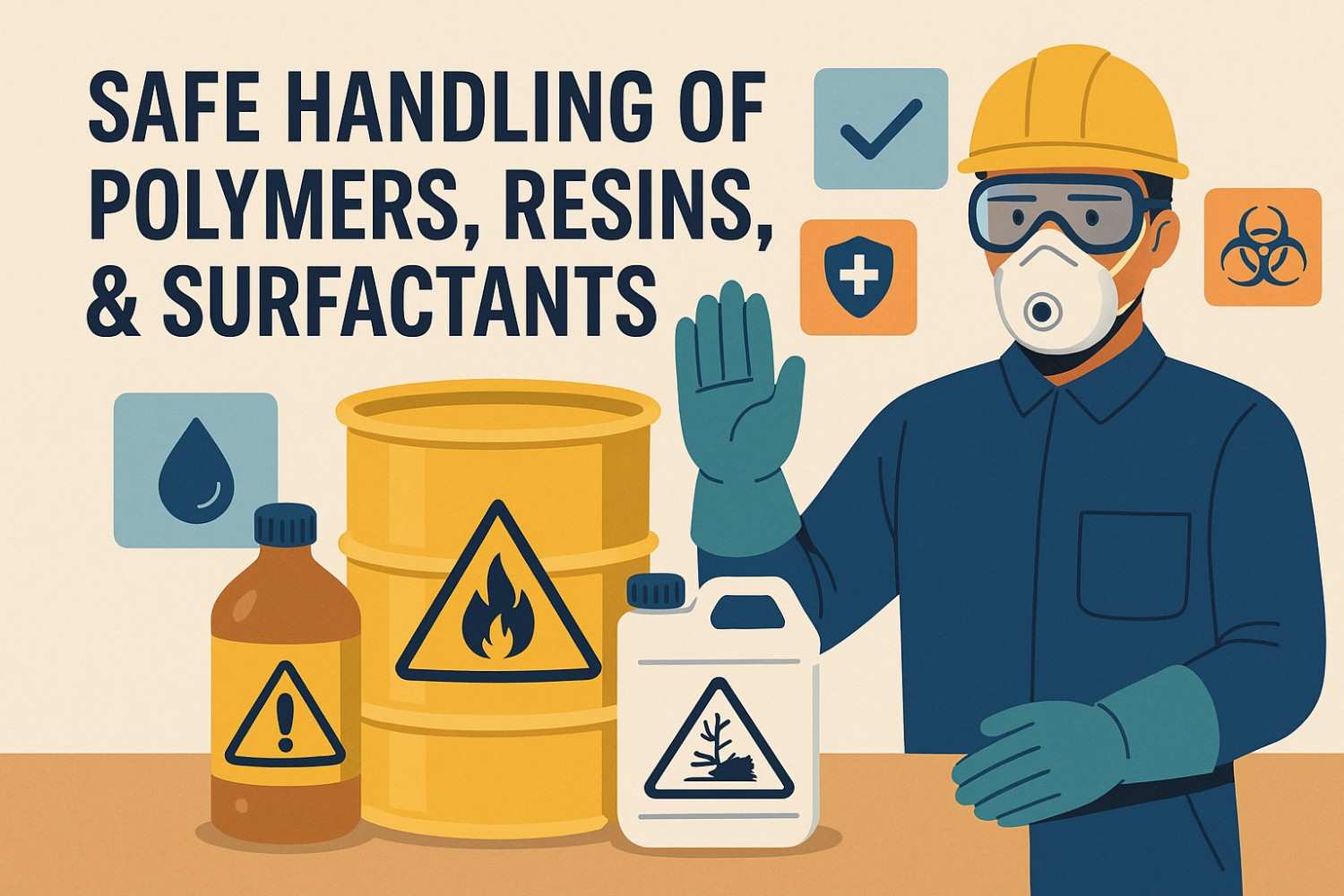
Polymers, resins, surfactants, and additives are essential chemical compounds in manufacturing products like plastics, detergents, and cosmetics. However, they must be managed carefully to ensure worker safety and environmental protection. Improper handling, storage, or disposal can result in serious accidents, health risks, and regulatory fines.
Understanding the Materials
Before we explore handling procedures, it’s important to understand the distinct characteristics of these four chemical categories.
- Polymers: These are large molecules, or macromolecules, composed of many repeated subunits. They are the primary components of plastics, rubbers, and fibers. Depending on their composition, polymers can be inert or reactive, and the primary hazards often relate to dust inhalation during processing or thermal decomposition at high temperatures.
- Resins: Often used interchangeably with polymers, resins are typically viscous substances that can be converted into solid polymers. They are widely used in adhesives, coatings, and composite materials. Key hazards include skin irritation, allergic reactions, and the release of volatile organic compounds (VOCs) during curing.
- Surfactants: Short for “surface-active agents,” these compounds reduce the surface tension between two liquids or between a liquid and a solid. They are fundamental ingredients in soaps, detergents, and emulsifiers. Surfactants can be corrosive or irritating to the skin and eyes, and some may be toxic to aquatic life if not disposed of properly.
- Additives: This is a broad category of chemicals added to polymers and resins to enhance their properties. Examples include plasticizers, flame retardants, UV stabilizers, and colorants. The hazards of additives are highly varied and depend on their specific chemical nature.
Safe Handling Procedures
A proactive approach to safety is non-negotiable when working with chemicals. Proper handling minimizes exposure and prevents accidents.

Personal Protective Equipment (PPE)
The first line of defense is always appropriate PPE. The specific equipment required will be detailed in the Safety Data Sheet (SDS) for each chemical, but general guidelines include:
- Eye Protection: Chemical splash goggles are essential to protect against splashes and fumes. For high-risk activities, a full-face shield may be necessary.
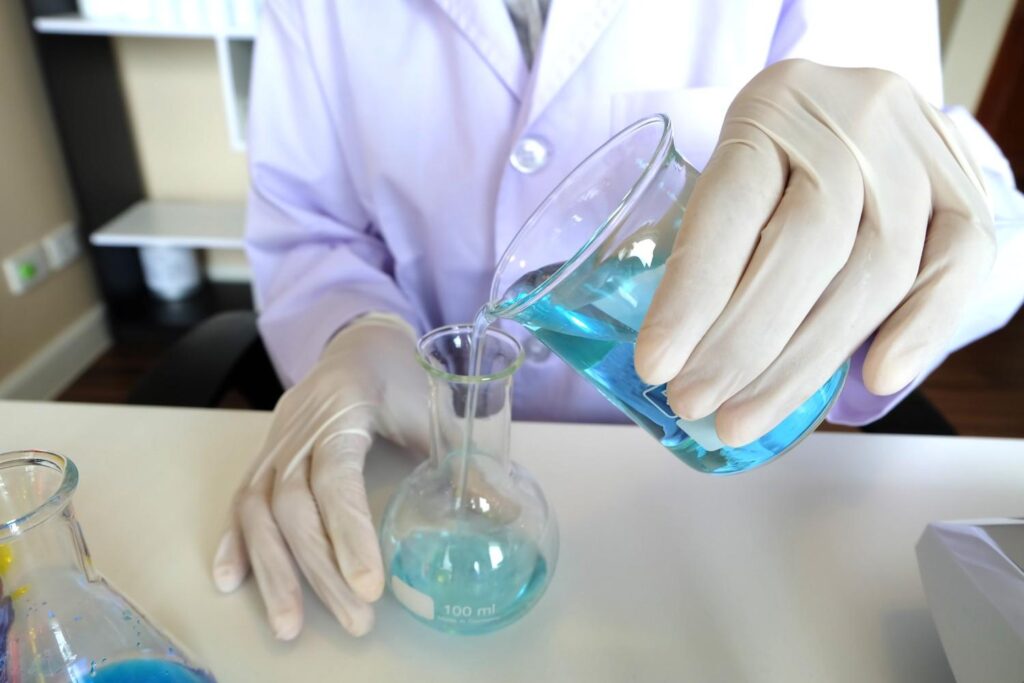
- Skin Protection: Chemical-resistant gloves made from materials like nitrile or neoprene are crucial. The choice of glove material should be based on the specific chemical being handled. Lab coats, aprons, or full-body suits protect the skin from spills and splashes.
- Respiratory Protection: If working in a poorly ventilated area or with materials that release hazardous dust or vapors, a respirator is required. The type of respirator and cartridge will depend on the specific airborne contaminant and its concentration.
Spill Control and Emergency Response
Accidents happen, but a well-prepared team can manage them effectively. Every facility should have a clear spill response plan.
- Spill Kits: Keep spill kits readily accessible in areas where chemicals are handled. These kits should contain absorbents (like clay, vermiculite, or pads), neutralizing agents for acids or bases, and appropriate containers for waste disposal.
- Containment: In the event of a spill, the first step is to contain the area to prevent it from spreading. Use absorbent booms or dikes to encircle the spill.
- Ventilation: Ensure adequate ventilation to disperse any hazardous vapors. If the spill involves volatile substances, evacuate non-essential personnel from the area immediately.
- Cleanup: Follow the cleanup procedures outlined in the SDS. Never wash spills down the drain unless specifically instructed that it is safe to do so.
Storage and Transportation Best Practices
Proper storage and transport are just as critical as handling to prevent accidents and maintain chemical integrity.

Storage Guidelines
- Segregation: Store incompatible chemicals separately to prevent dangerous reactions. For example, keep strong oxidizing agents away from flammable materials.
- Ventilation: Chemical storage areas must be well-ventilated to prevent the buildup of fumes.
- Labeling: Ensure all containers are clearly and accurately labeled with the chemical name, hazard warnings, and other required information. Damaged or illegible labels should be replaced immediately.
- Temperature Control: Some polymers and resins are sensitive to temperature and may degrade or become unstable if stored outside their recommended range.
Transportation Protocols
- Secure Packaging: Use approved containers that are properly sealed and secured to prevent spills during transit.
- Vehicle Placarding: Vehicles transporting hazardous materials must display the correct placards according to Department of Transportation (DOT) regulations.
- Documentation: Ensure all shipping papers, including the SDS, are complete and accompany the shipment.
Environmental and Regulatory Compliance
Adhering to environmental regulations is not just a legal requirement; it’s a corporate responsibility.
Disposal Considerations
Improper disposal can lead to environmental contamination and significant fines. Always consult the SDS for specific disposal instructions.
- Waste Characterization: Determine if the waste is hazardous according to EPA regulations. This will dictate the appropriate disposal method.
- Licensed Disposal Facilities: Use only licensed and reputable waste disposal companies to handle hazardous chemical waste.
- Preventing Runoff: Never dispose of surfactants, resins, or other chemicals by pouring them on the ground or into storm drains, as they can contaminate soil and waterways.
Key Regulations
Staying compliant with chemical regulations is essential for any operation.
- Safety Data Sheets (SDS): The Occupational Safety and Health Administration (OSHA) requires that an SDS be available for every hazardous chemical used in the workplace. This document is the primary source of information on hazards, handling, and emergency measures.
- REACH: The Registration, Evaluation, Authorisation and Restriction of Chemicals is a European Union regulation. If your company operates in or exports to the EU, you must comply with REACH requirements for registering and managing chemical substances.
- EPA Regulations: The Environmental Protection Agency (EPA) regulates the disposal of hazardous waste under the Resource Conservation and Recovery Act (RCRA).
For companies seeking specialized expertise in formulation and handling, toll blending services offer a valuable resource. These partners can manage complex chemical processes while adhering to the highest safety and regulatory standards.
Conclusion
Ultimately, the safe handling of polymers, resins, surfactants, and additives depends on more than just rules and equipment. It requires a dedicated culture of safety where every employee understands their role and responsibility. This is achieved through comprehensive training, clear communication, and a commitment from leadership to prioritize safety above all else.