Effective property operations and maintenance are the backbone of any successful real estate investment. Keeping a property in top condition not only preserves its value but also ensures tenants are safe and satisfied, leading to lower turnover and more consistent rental income. For property owners, managing these tasks can feel like a full-time job, requiring a delicate balance of proactive planning and swift, reactive problem-solving.
Key Areas of Focus in Property Maintenance
A comprehensive maintenance strategy is divided into several core components. By focusing on these areas, you can create a system that addresses issues before they become costly problems and handles unexpected repairs with efficiency.
Preventative Maintenance
Preventative maintenance is about being proactive. It involves regularly scheduled inspections and servicing of a property’s key systems and components to prevent breakdowns. A well-executed preventative maintenance plan extends the lifespan of essential assets like HVAC systems, plumbing, and roofing, ultimately saving you significant money on emergency repairs and premature replacements.
Benefits of a solid schedule:
- Cost Savings: Addressing minor issues early on is far cheaper than dealing with major system failures. For example, cleaning an HVAC unit annually is less expensive than replacing the entire system due to neglect.
- Tenant Satisfaction: Tenants appreciate a well-maintained living environment. Regular maintenance minimizes disruptions and shows that you care about their comfort and safety, which can lead to higher retention rates.
- Asset Preservation: Consistent upkeep protects the physical integrity and value of your property, ensuring it remains a profitable asset for years to come.
A typical preventative maintenance checklist might include seasonal HVAC servicing, gutter cleaning, plumbing inspections, and testing smoke detectors.
Reactive Maintenance
No matter how thorough your preventative plan is, unexpected issues will inevitably arise. Reactive maintenance, also known as corrective maintenance, is the process of responding to and fixing problems as they occur. This could be anything from a leaky faucet to a broken appliance.
The key to effective reactive maintenance is speed and efficiency. A slow response can lead to frustrated tenants and potentially cause further damage to the property. Having a reliable system in place is crucial. This includes clear communication channels for tenants to report issues and a network of trusted contractors who can respond quickly. Property management services similar to those offered in Salt Lake City often excel in this area, providing 24/7 support for urgent repairs.
Safety and Compliance
Ensuring a property meets all local, state, and federal regulations is a non-negotiable aspect of property operations. Non-compliance can result in heavy fines, legal liability, and, most importantly, can endanger the lives of your tenants.
Key compliance areas include:
- Fire Safety: Regular inspection and maintenance of smoke detectors, carbon monoxide detectors, and fire extinguishers.
- Building Codes: Ensuring all structural, electrical, and plumbing systems adhere to current building codes.
- Habitability Standards: Maintaining the property to ensure it provides a safe and livable environment, which includes functioning utilities, pest control, and structural soundness.
Keeping detailed records of all safety inspections and compliance checks is essential for legal protection and demonstrating due diligence as a property owner.
How to Optimize Your Property Operations
Moving beyond the basics, optimizing your operations can create even greater efficiencies and improve the overall performance of your investment.

Technology Integration
Modern technology offers powerful tools for streamlining property operations. Property management software can automate many routine tasks, from scheduling maintenance to tracking expenses and communicating with tenants.
For example, a centralized platform can allow tenants to submit maintenance requests online, which are then automatically assigned to the appropriate vendor. This eliminates communication delays and provides a clear record of all repairs. Advanced systems can even use data to predict when certain components are likely to fail, allowing for preemptive action.
Vendor Management
Your relationships with contractors and service providers are critical to your success. Building a network of reliable, skilled, and fairly priced vendors takes time but is a worthwhile investment.
Tips for effective vendor management:
- Vet Thoroughly: Always check for licenses, insurance, and references before hiring a new vendor.
- Establish Clear Expectations: Use detailed service agreements that outline the scope of work, timelines, and payment terms.
- Foster Good Relationships: Treat your vendors as partners. Prompt payment and clear communication can foster loyalty and ensure you receive priority service when you need it most.
Energy Efficiency
Implementing sustainable practices is not just good for the planet—it’s also good for your budget. Energy-efficient upgrades can significantly reduce utility costs for both you and your tenants.
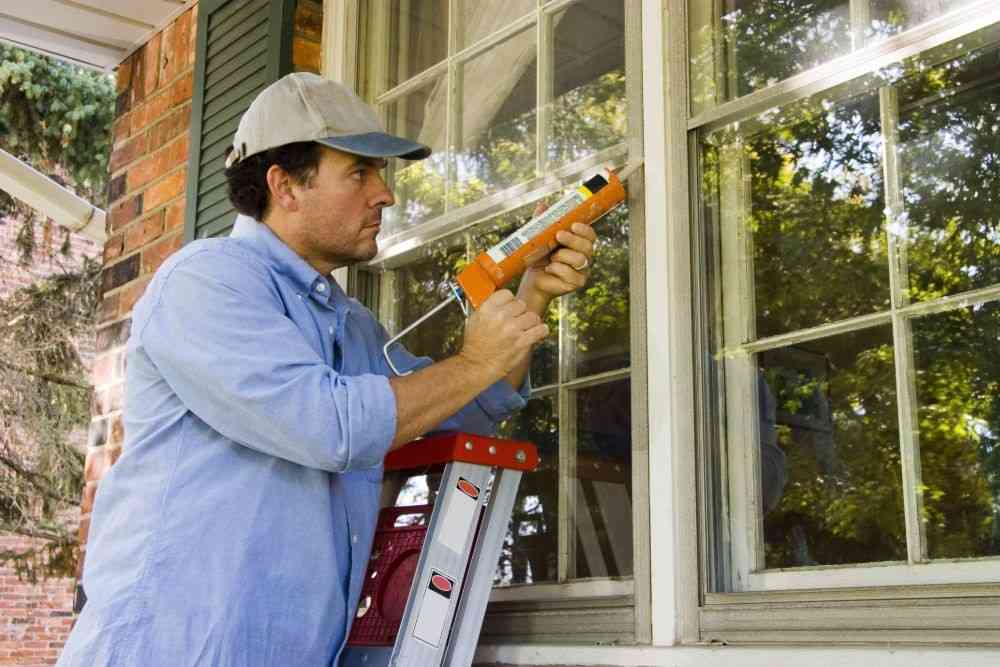
Simple, cost-effective measures include sealing air leaks, installing programmable thermostats, and switching to LED lighting. For a greater long-term impact, consider investing in energy-efficient windows or upgrading to modern, high-efficiency appliances. These improvements can be a strong selling point for environmentally-conscious tenants and can increase the overall value of your property.
Conclusion
Property operations and maintenance are rapidly evolving, with technology like AI and IoT playing a growing role. Imagine smart homes that diagnose issues and schedule repairs automatically, or AI-driven analytics that optimize energy use in real time.