
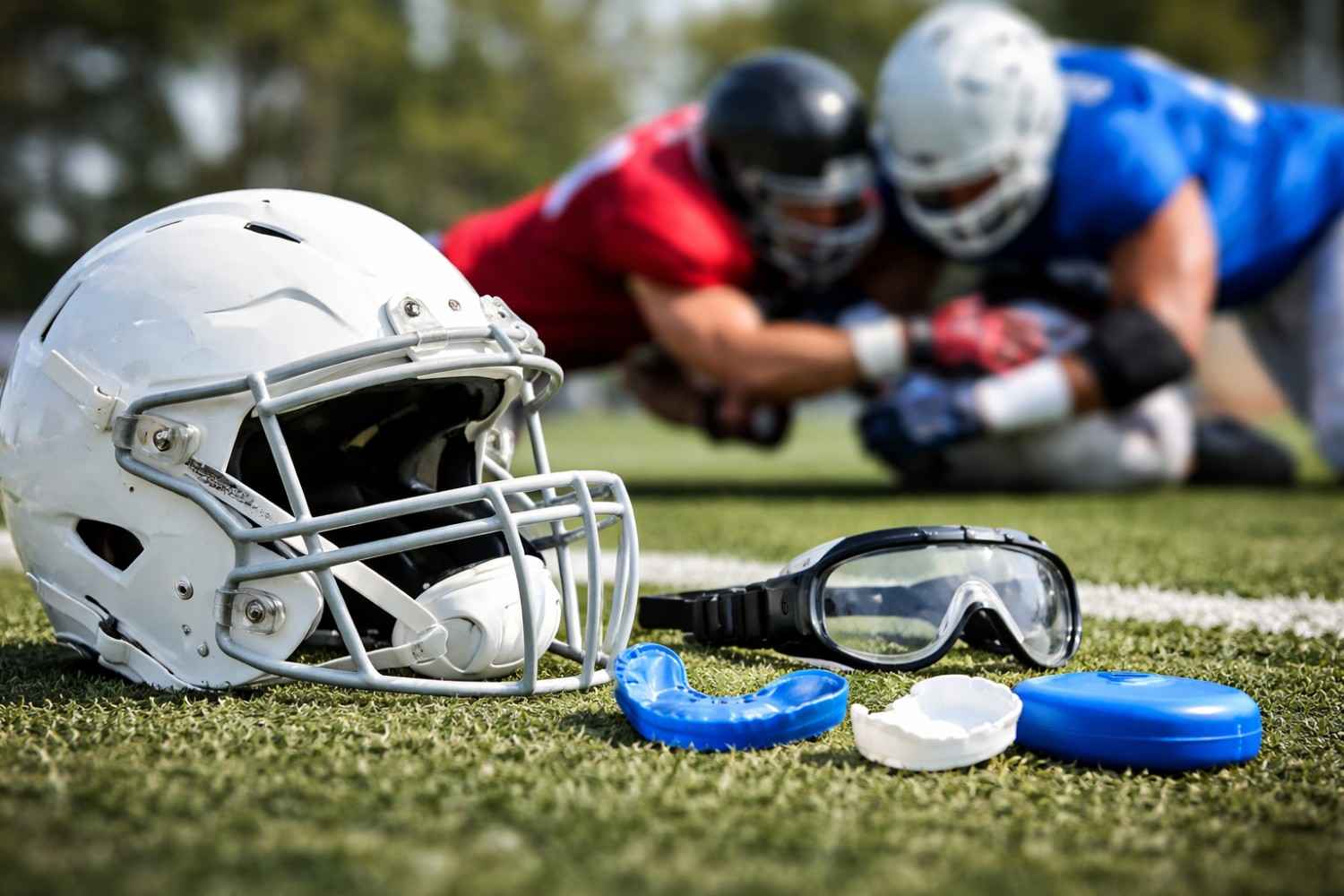
Sports offer many benefits, but the physical nature of athletics also carries risks, particularly head and facial injuries like concussions and facial trauma. These are serious medical events with potentially lasting consequences on an athlete’s health. While no equipment can completely prevent injury, the right protective gear is a crucial barrier against severe accidents.
The Reality of Impact Injuries
When we talk about sports safety, we are often addressing the management of energy transfer. In high-impact sports like football, hockey, or rugby, collisions occur at high speeds. Even in non-contact sports like baseball or basketball, the risk of a stray ball or an accidental elbow to the face is significant.
Facial injuries are often painful and can require complex surgeries to fix. Fractured jawbones, shattered cheekbones, and ocular damage are frequent occurrences in emergency rooms on weekends. Beyond the immediate pain, these injuries can lead to long recovery times where the athlete is sidelined.
Concussions are more insidious. Because the injury is internal, it isn’t always immediately obvious. Symptoms might include headaches, confusion, dizziness, or memory loss. Repeated concussions have been linked to chronic traumatic encephalopathy (CTE), a degenerative brain condition. This makes prevention not just a matter of playing the next game, but of preserving long-term cognitive health.
Helmets: The First Line of Defense
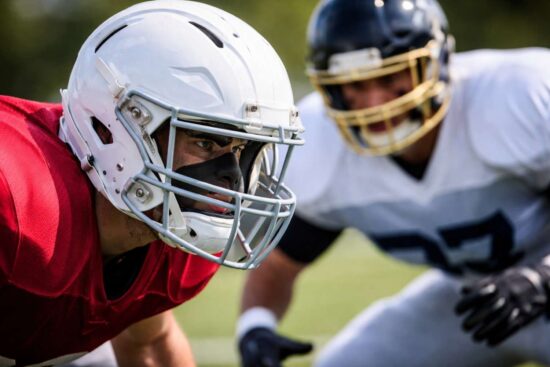
The helmet is perhaps the most iconic piece of safety equipment in sports. From the hard shells used in gridiron football to the aerodynamic foam of cycling helmets, they are designed with one main goal: to dissipate the energy of an impact.
When a player takes a hit to the head, the helmet absorbs a portion of that force, spreading it out over a larger area rather than letting it concentrate on a single point of the skull. This is crucial for preventing skull fractures and reducing the severity of brain trauma.
However, there is a common misconception that helmets are concussion-proof. They are not. A concussion occurs when the brain moves rapidly inside the skull, often caused by rotational forces. While modern helmet technology is evolving to address rotational impact—such as MIPS (Multi-directional Impact Protection System) technology—no helmet can completely stop the brain from sloshing against the skull wall during a violent stop.
Despite this limitation, helmets remain non-negotiable. They drastically reduce the risk of catastrophic head injuries. It is vital to use a helmet specifically designed for the sport being played. A bicycle helmet is designed for a single high-impact crash, while a football helmet is designed to withstand multiple lower-level impacts. Using the wrong tool for the job compromises safety.
The Role of Mouthguards
Often overlooked or chewed on absentmindedly during timeouts, the mouthguard is a critical component of facial safety. Its primary function is obvious: it protects the teeth. A direct blow to the mouth can easily chip or knock out teeth, and also cause lacerations to the lips, tongue, and cheeks. A mouthguard acts as a shock absorber, cushioning the blow and distributing the force.
There is also significant discussion regarding the mouthguard’s role in concussion prevention. The theory suggests that by absorbing the shock of a blow to the jaw, a mouthguard can limit the force transmitted up the jawbone to the skull base. While scientific studies on this specific benefit are ongoing and sometimes mixed, the consensus is that a mouthguard is better than no protection at all.
Choosing the Right Mouthguard

Not all mouthguards are created equal. They generally fall into three categories:
1. Stock mouthguards: These come pre-formed and are ready to wear. They are inexpensive but often fit poorly, making them uncomfortable and difficult to keep in place. This can make breathing and talking harder, leading athletes to take them out during play.
2. Boil-and-bite: These are softened in hot water and then molded to the teeth. They offer a better fit than stock versions and are widely available at sporting goods stores.
3. Custom-made: For the highest level of protection and comfort, a custom mouth guard created by a dentist is the superior choice. These are designed based on an exact impression of the athlete’s teeth, ensuring they stay in place during heavy impact and allow for easier breathing and communication.
Facemasks and Eye Protection
For sports involving high-velocity objects—like pucks, baseballs, or lacrosse balls—additional facial coverage is necessary. Facemasks and cages attached to helmets provide a physical cage that prevents objects from making contact with the face.
In sports like hockey and football, these are standard. In other sports, they might be optional or position-dependent. For example, softball pitchers often wear facemasks due to the proximity of the batter and the speed at which the ball can return to the mound.
Eye protection is another critical category. Polycarbonate lenses or goggles are essential for sports like racquetball or squash, where the ball is small enough to bypass other defenses and strike the eye directly. Even in basketball, goggles are becoming more common to prevent corneal abrasions from fingernails.
Proper Fitting and Maintenance
The most expensive, high-tech gear in the world is useless if it doesn’t fit or is broken. Equipment that is too loose can slide out of position during a fall, exposing the very area it is meant to protect. Conversely, gear that is too tight can cause discomfort and distraction, taking the athlete’s focus off the game.
Fitting Tips:
- Helmets: Should sit level on the head, not tilted back. They should feel snug but not painfully tight. When the athlete shakes their head, the helmet should not move independently.
- Chin Straps: Must be buckled and tightened. A loose strap allows the helmet to fly off upon impact.
- Mouthguards: Should stay on the upper teeth without the athlete having to bite down to hold it in place.
Maintenance Is Key:
Equipment degrades over time. Sweat, sunlight, and repeated impacts break down foam and plastic.
- Inspect helmets regularly for cracks in the shell or deterioration of the inner padding.
- Replace mouthguards at the start of every season, or sooner if they show signs of wear or if the athlete is a child who is growing.
- Check facemasks for bent bars or rust, which can compromise their structural integrity.
- Most manufacturers provide an expiration date or shelf life for helmets; heed these warnings.
Conclusion
Athletics provide a fantastic arena for building character and physical strength, but safety must always be the foundation upon which these activities are built. Preventing concussions and facial injuries requires a proactive approach. It involves investing in the right equipment, ensuring it fits correctly, and replacing it when necessary.