
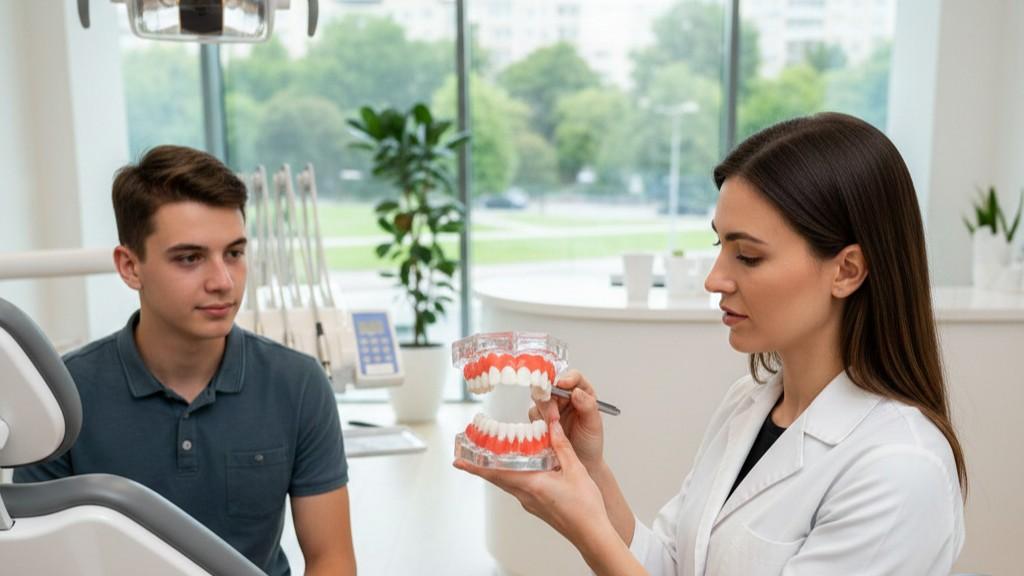
A deep bite is a common dental misalignment where the upper front teeth overlap the lower front teeth more than they should. While a slight overlap is normal, excessive coverage can lead to oral health problems and aesthetic concerns. Many individuals are unaware they have a deep bite until symptoms appear or a dentist points it out during a routine checkup.
Deep bites can develop for various reasons, including genetics, jaw structure, and childhood habits. In some cases, it is present from an early age and worsens over time if left untreated. Fortunately, modern orthodontics offers effective solutions to correct deep bites and restore proper bite alignment.
Causes of Deep Bite
Deep bites arise from multiple contributing factors. Genetics play a significant role—if parents or siblings have bite misalignment, there is a higher chance of developing the same condition. Jaw structure also influences bite alignment. Some individuals naturally have a smaller lower jaw, which causes the upper teeth to overlap more than usual.
Childhood habits can further contribute to deep bite formation. Prolonged thumb-sucking, tongue thrusting, and extended pacifier use may alter tooth positioning over time. These habits place pressure on the teeth and jaw, leading to misalignment as the child grows.
Teeth grinding (bruxism) is another factor. Constant grinding wears down teeth and can worsen bite issues. Over time, the combination of worn teeth and misalignment may result in discomfort and difficulty chewing.
Poor dental alignment from missing or uneven teeth can also contribute to deep bites. When teeth shift due to gaps, the bite pattern changes, increasing the likelihood of excessive overlap.
Symptoms of Deep Bite
Deep bites are not always immediately noticeable. Some individuals experience subtle symptoms, while others face more significant complications. Common signs include:
- Excessive overlap of upper and lower front teeth
- Jaw pain or discomfort
- Tooth wear and enamel erosion
- Difficulty chewing or biting food
- Headaches and tension around the jaw
- Gum irritation from teeth pressing into soft tissue
In severe cases, deep bites can lead to long-term dental problems. The excessive pressure on lower teeth may cause enamel damage, increasing the risk of cavities and sensitivity. Jaw strain can also contribute to temporomandibular joint (TMJ) disorders, which cause pain and limited jaw movement.
Treatment Options for Deep Bite
Modern orthodontics provides several treatment methods depending on the severity of the condition. Traditional braces remain a highly effective option for correcting deep bites. They gradually shift teeth into proper alignment, improving both function and appearance.
Clear aligners are another popular solution. These removable trays straighten teeth without visible brackets, making them appealing for individuals seeking a discreet treatment option. However, aligners may not be suitable for severe cases requiring more intensive correction.
In some situations, orthodontists may recommend bite plates or retainers to help adjust the bite and prevent teeth from overlapping excessively. These devices work alongside braces or aligners to achieve optimal results.
For more complex cases, jaw surgery may be necessary. Surgical intervention is typically reserved for individuals with significant skeletal misalignment that cannot be corrected through orthodontics alone.
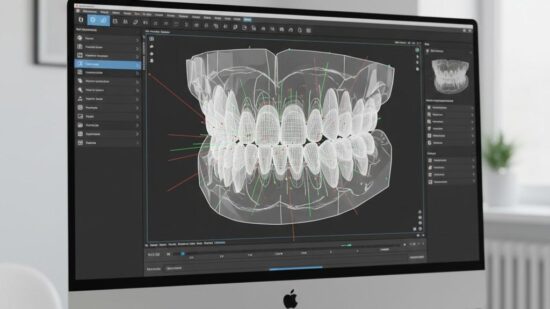
One effective orthodontic technique is indirect bonding braces, which allows brackets to be placed with precision before attachment to the teeth. This method improves accuracy and reduces chair time during installation. It is especially useful for patients requiring detailed alignment adjustments.
Preventing Deep Bite Complications
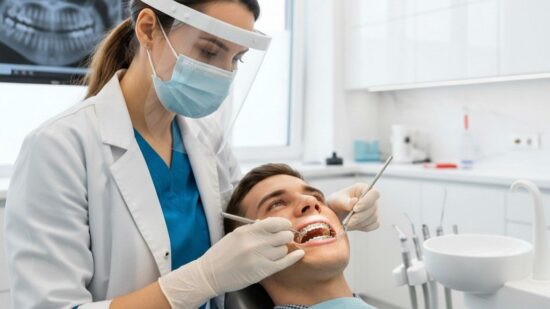
Early detection is key to preventing deep bite complications. Regular dental checkups help identify alignment issues before they worsen. If a deep bite is detected, orthodontic treatment can address the problem and prevent long-term damage.
Good oral hygiene also plays a crucial role. Brushing and flossing regularly reduce the risk of cavities and enamel erosion, which can be exacerbated by bite misalignment. For individuals who grind their teeth, wearing a nightguard can help protect teeth from excessive wear.
Breaking harmful childhood habits early can also reduce the risk of deep bite development. Parents should encourage healthy oral behaviors and consult a dentist if prolonged thumb-sucking or other habits persist.
Final Thoughts
Deep bites are more than a cosmetic concern. They can impact oral health and overall comfort. Understanding the causes and symptoms helps individuals seek timely treatment and prevent complications. With modern orthodontic solutions, including braces, aligners, and indirect bonding braces, deep bite correction is more accessible than ever.
If you suspect you have a deep bite, consulting an orthodontist is the first step toward effective modern dental treatment. Proper alignment improves not only your smile but also your long-term dental health and quality of life. Early intervention ensures a healthier bite and greater confidence in your smile.