Experiencing a car accident is stressful and overwhelming. Once the immediate shock subsides and everyone’s safety is confirmed, the focus shifts to your vehicle. Understanding the extent of the damage and navigating the repair process can seem daunting. However, breaking it down into manageable steps makes the situation much easier to handle. This guide will walk you through how to properly assess your vehicle’s condition and manage the necessary repairs to get back on the road safely.
A systematic approach ensures that nothing is overlooked. From the initial visual inspection to selecting a qualified professional for repairs, taking the right steps helps protect your investment and ensures your car remains safe to drive.
Initial Visual Inspection
Before you even leave the scene, if it is safe to do so, you should perform a preliminary check of the damage. This documentation is crucial for insurance purposes and gives you a baseline for what needs fixing.
Exterior Damage Check
Walk around the entire vehicle, not just the area of impact. Accidents can cause stress on other parts of the car frame or panels. Look for obvious dents, scratches, and broken lights. Check if any doors, the hood, or the trunk have trouble opening or closing, as this can indicate frame damage. Take clear photos of all angles to provide to your insurance company and repair shop.
Fluid Leaks and Mechanical Signs
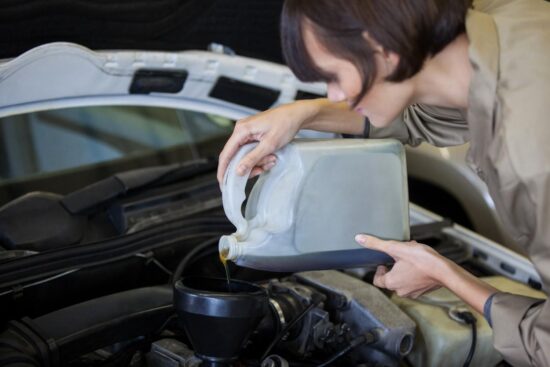
Look underneath the car for any leaking fluids. Coolant, oil, or brake fluid on the ground are signs of significant mechanical damage that could make the car unsafe to drive. If you see leaks, do not attempt to start the engine. Additionally, check the tires for damage or alignment issues. If a wheel looks bent or sits at an odd angle, the suspension has likely been compromised.
Professional Assessment and Estimates
While a visual check is helpful, many modern vehicles have complex systems hidden beneath the surface. A professional assessment is necessary to uncover the full extent of the damage.
Choosing a Repair Shop
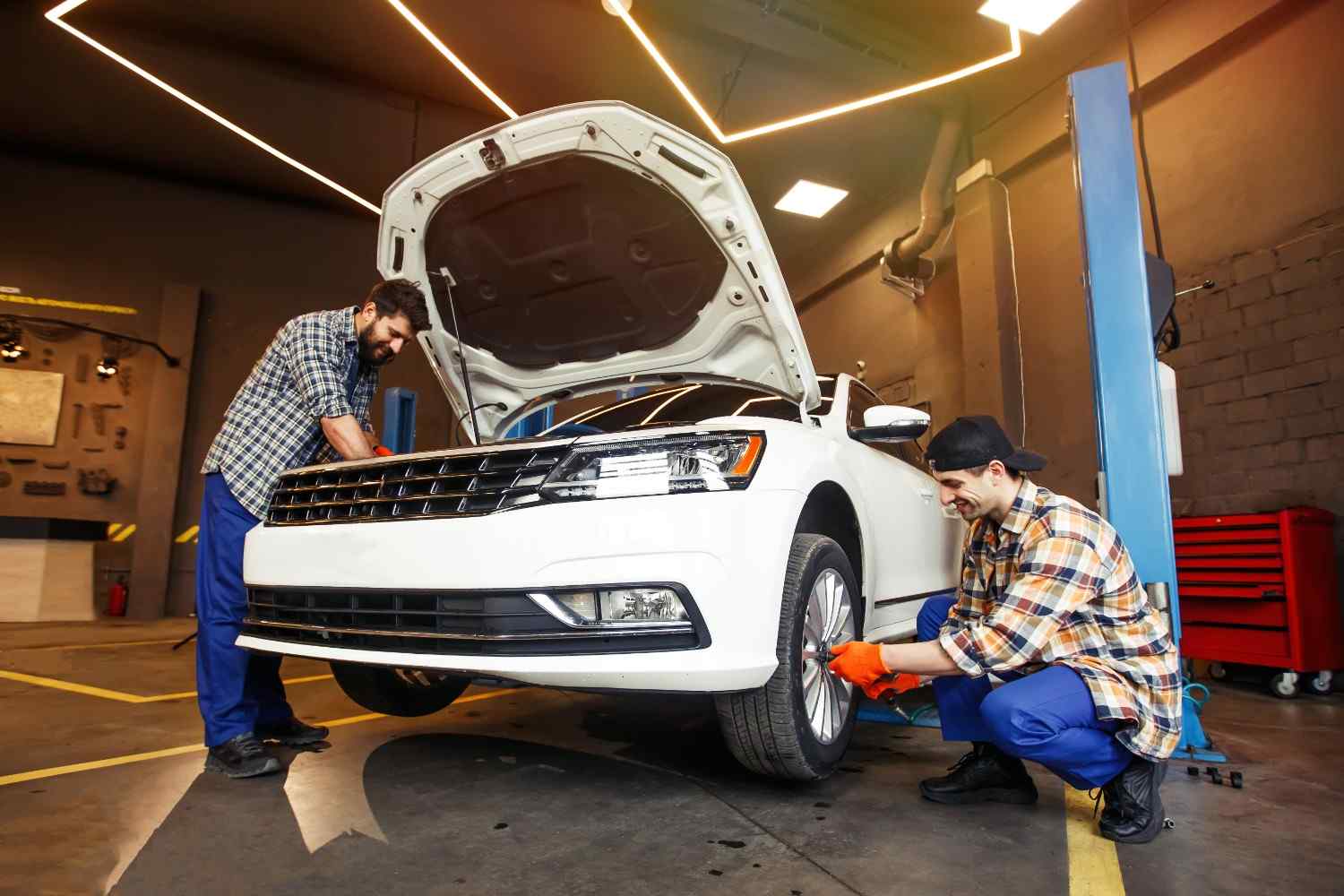
You have the right to choose where your car is repaired, even if your insurance company suggests a specific provider. Look for a shop with certified technicians who specialize in your type of vehicle. Read reviews and ask for certifications like ASE (Automotive Service Excellence) or I-CAR (Inter-Industry Conference on Auto Collision Repair). A reputable shop will provide a detailed, written estimate that breaks down parts and labor costs.
The Hidden Damage
Professional mechanics will look for structural and internal issues that an untrained eye might miss. This includes checking the frame alignment, inspecting the engine mounts, and testing the electronics. Sensors for airbags, parking assist, and other safety features are often located in bumpers and can be damaged even in low-speed collisions. Ensuring these systems are functional is critical for your safety.
Managing Specific Repairs
Different types of damage require different specialists. Understanding the scope of repairs helps you manage timelines and expectations.
Body Work and Paint
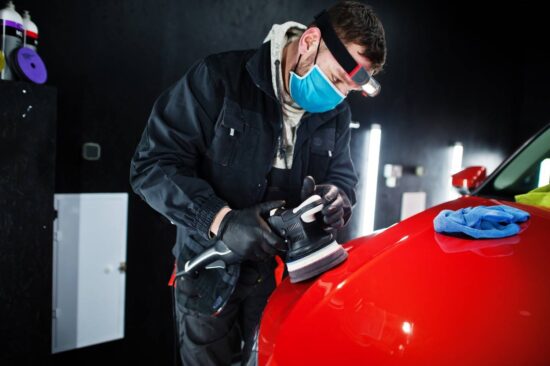
Body repairs involve straightening the frame, replacing panels, and removing dents. After the structural work is done, the painting process begins. This is a multi-step procedure involving sanding, priming, painting, and clear-coating to match the factory finish. Quality bodywork restores not just the look of the car but its structural integrity as well.
Glass and Window Repair
Impacts often lead to cracked or shattered glass. While a small chip might be repairable, significant cracks compromise the structural strength of the glass and require full replacement. If you are in an area with specific seasonal road conditions, finding local experts is key. For example, a specialist handling windshield replacement in Salt Lake City will understand how local weather and road salt affect glass seals and durability. Correct installation is vital because the windshield contributes to the roof’s strength during a rollover.
The Repair Process and Final Inspection
Once you authorize the repairs, the shop will order parts and begin the work. Communication is important during this phase.
Staying Informed
Ask the shop for regular updates on the progress. Delays can happen due to parts availability or discovering additional damage once repairs begin. A good shop will keep you informed of any changes to the estimated completion date or cost.
The Post-Repair Check
When you pick up your vehicle, do not rush the process. Inspect the repairs thoroughly before driving away.
- Check the Paint: Look for color matching and smooth texture in natural light.
- Test Functionality: Open and close doors, windows, and the trunk to ensure they work smoothly.
- Check Lights: Ensure all headlights, taillights, and signals are functioning.
- Test Drive: Take the car for a short drive to listen for rattles or wind noise and to check if the steering feels straight.
Taking the time to properly assess and repair your vehicle ensures that it returns to its pre-accident condition. By following these steps and working with qualified professionals, you can restore your car’s safety, appearance, and value.