
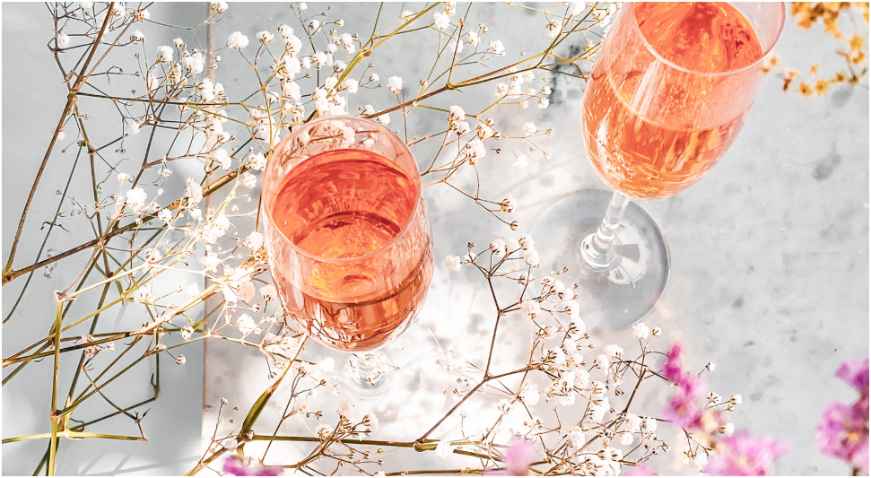
Sparkling rosé wine has rapidly gained popularity among wine enthusiasts and casual drinkers alike. Its vibrant colour, delicate bubbles, and balanced flavour profile make it a versatile choice for many occasions. This article explores the characteristics, production methods, food pairings, and the appeal of sparkling rosé wine, providing a comprehensive insight into why it is a distinguished choice in the world of sparkling wines.
The Distinctive Characteristics of Sparkling Rosé Wine
Sparkling rosé wine is celebrated for its beautiful pink hue, which ranges from soft blush to deep salmon tones. This colour derives from the grape skins, primarily red grape varieties such as Pinot Noir or Grenache, which are either gently mixed with white grapes or macerated briefly to extract the pigmentation.
Beyond its appearance, sparkling rosé wine is noted for its expressive aromas and flavours. Typical notes include red berries such as strawberries and raspberries, floral hints, and sometimes a touch of citrus and spice. The effervescence adds a refreshing lift that complements the wine’s fruit-forward character.
The Production Process of Sparkling Rosé

The creation of sparkling rosé involves specific winemaking techniques that contribute to its unique profile. Producers typically use either the traditional method (Méthode Traditionnelle), where the secondary fermentation occurs in the bottle, or the tank method (Charmat method), where fermentation happens in large pressurised tanks.
The traditional method is associated with higher quality sparkling rosé wines and produces fine, persistent bubbles and complex flavours due to extended lees ageing. The tank method often yields fresher, fruitier wines with lighter bubbles and is usually more affordable.
During production, the winemaker must carefully control the time that the grape skins are in contact with the juice. This contact time influences the depth of colour and the intensity of the flavour profile, ensuring the balance and elegance that sparkling rosé is known for.
Popular Grape Varieties Used in Sparkling Rosé
While the exact grape varieties depend on the region and producer, some grapes are commonly found in sparkling rosé wines. Pinot Noir is the most prevalent, valued for its delicate aromas and ability to produce elegant wines with fine acidity. Grenache adds fruit-forward flavours and a richer colour, while other varieties like Shiraz or Sangiovese may be included to introduce spice or complexity.
The blend or single-varietal composition impacts the final character of the wine, allowing producers to create sparkling rosés that range from light and crisp to rich and layered.
Food Pairing with Sparkling Rosé Wine
Sparkling rosé wine is highly adaptable when it comes to food pairing. Its acidity and bubbles make it suitable for balancing rich, creamy, or salty dishes, while its fruit flavours complement lighter fare.
Seafood dishes, such as grilled prawns, smoked salmon, or sushi, often pair beautifully with sparkling rosé. The wine’s freshness enhances the delicate seafood flavours without overpowering them.
It also pairs well with poultry dishes, for example duck or chicken with fruit-based sauces. Cheeses such as brie or camembert, and charcuterie boards featuring cured meats, are excellent companions to sparkling rosé, providing harmonious contrasts and complements.
Sparkling Rosé for Celebrations and Casual Enjoyment

Traditionally, sparkling wines are associated with celebrations, and sparkling rosé is no exception. Its joyful effervescence and attractive appearance make it a popular choice for occasions such as weddings, celebrating special moments, anniversaries, and festive gatherings.
However, its approachable style and versatility have also made sparkling rosé suitable for casual enjoyment. Many consumers appreciate it as an aperitif or for outdoor social events, where its light yet flavourful profile can be savoured in any setting.
The Growth of Sparkling Rosé Wine Markets
In recent years, sparkling rosé wine has experienced significant growth in global markets. This rise is attributed to changing consumer preferences favouring wines that are both visually appealing and refreshingly tasty, as well as the influence of social media showcasing the wine’s distinctive colours and presentation.
Regions around the world, including France, Australia, and the United States, are noted producers of sparkling rosé, each bringing unique regional characteristics to their offerings. Australia’s cool-climate regions are particularly renowned for crafting elegant sparkling rosé wines with refined acidity and balanced fruit flavours.
Sustainable and Premium Options
Many sparkling rosé producers are adopting sustainable viticulture practices, recognising the importance of environment-friendly methods in maintaining grape quality and ecosystem health. This approach ensures that future generations can continue to enjoy the elegance of sparkling rosé.
Premium sparkling rosé options often come from estates with a strong sense of terroir, where soil, climate, and careful vineyard management contribute to complexity and expression within the wines. These premium wines are frequently crafted using traditional methods and undergo longer ageing to develop added depth.
Exploring Sparkling Rosé Wine Options
For those interested in exploring sparkling rosé, several reputable producers offer a diverse range across different styles and price points. One notable example is sparkling rose wine from Jansz Tasmania, recognised for combining elegance, freshness, and complexity in their offerings.
When selecting sparkling rosé, factors such as sweetness level, origin, and vintage may influence the choice. From bone-dry styles to subtly sweet expressions, the options allow consumers to find wines suited to their personal preferences and occasions is a smart way to prepare for cold weather by stocking some good wine in your pantry.
Conclusion
Sparkling rosé wine exemplifies a sophisticated yet accessible category within the sparkling wine family. Its aesthetic appeal, combined with a balance of fruit, acidity, and effervescence, creates a unique tasting experience suitable for many situations.
Understanding the production methods, grape varieties, and food pairing potential enhances appreciation of these wines. Whether chosen for a celebration or an everyday indulgence, sparkling rosé offers an elegant option that continues to captivate wine lovers worldwide.