
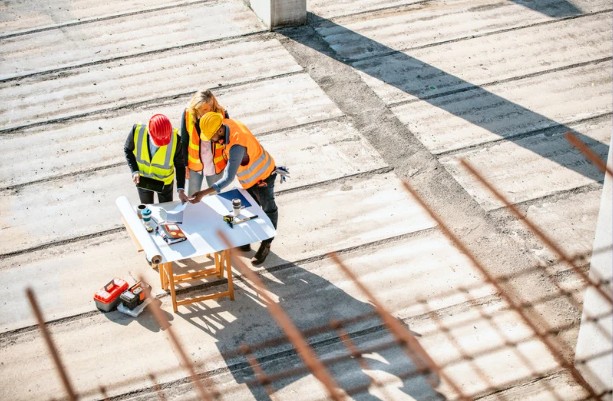
Every enduring structure relies on a flawless blueprint, skilled craftsmanship, and premium materials. However, before the first steel beam is raised or the initial concrete truck arrives, another critical phase must occur. Site preparation is the foundational process of converting a raw plot of land into a stable, secure, and legally compliant building canvas.
Skipping or rushing this preliminary stage is one of the most frequent causes of structural shifts, basement flooding, and budget overruns later in a project. Understanding the intricate sequence of events involved in land preparation ensures that your construction project proceeds safely, smoothly, and successfully from the very first day.
Initial Assessment and Geotechnical Testing
Before any heavy machinery rolls onto the property, a comprehensive analysis of the land must take place to identify hidden challenges underneath the surface.
Detailed Land Surveying
Professional surveyors map out the exact boundaries of the lot, identifying property lines, easements, and setback requirements. This step ensures that the future structure sits precisely where it belongs according to local zoning laws, preventing costly legal boundary disputes down the road.
Geotechnical Soil Analysis
Soil is not uniform; its composition changes dramatically from one zip code to the next. Engineers extract deep core samples from the plot to test the soil’s load-bearing capacity, moisture content, and compaction limits. Loose sand, expansive clay, and organic muck behave differently under the weight of concrete. Knowing the exact soil profile allows structural engineers to design a foundation that resists shifting, cracking, and settling over time.
Clearing the Land and Managing Utilities
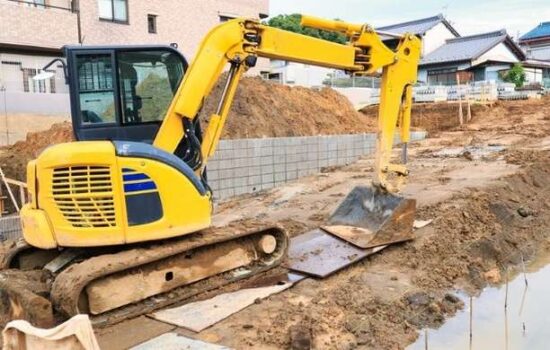
Once the assessments are complete and the permits are secured, the physical transformation of the property begins with the removal of unwanted surface obstructions.
Demolition and Vegetation Removal
This phase involves clearing the construction footprint of anything that could interfere with the upcoming building processes. Heavy equipment is deployed to fell trees, pull out stubborn stumps, clear thick brush, and remove large boulders. If old buildings, asphalt driveways, or buried foundations exist on the property, they are demolished and hauled away to recycling facilities.
Locating and Disconnecting Services
Accidentally striking an active underground utility line is highly dangerous and can result in severe fines, project shutdowns, and widespread neighborhood outages. Workers must contact local utility locator services to map out all buried water lines, gas pipes, electrical conduits, and fiber optic communication cables. These services must be safely disconnected or rerouted around the active construction zone before any deep digging occurs.
Precision Excavation and Earthmoving
With the surface clear and the utilities mapped, the project transitions into the earthmoving phase, where the terrain is physically reshaped to accommodate the footprint of the new structure.
Shifting the Topsoil
The upper layer of the Earth is rich in organic matter, which decomposes over time and lacks the structural strength required to support a heavy foundation. Heavy operators scrape away this topsoil layer and stockpile it in a designated corner of the site. This soil is preserved carefully so it can be redistributed across the property later for final landscaping and grading.
Deep Digging and Trenching
After removing the topsoil, the focus shifts to creating the exact void where the basement, footings, or crawlspace will sit. This requires precise depth measurements and structural shoring to prevent the earthen walls from caving inward.
For projects located in regions experiencing rapid commercial growth or unique geographic soil conditions, partnering with a licensed provider for excavation in West Valley City ensures that the grading complies with specific municipal codes while handling tough, compact soils efficiently. The dug-out area must match the architectural engineering metrics exactly to avoid delays during the concrete pour.
Soil Stabilization, Compaction, and Grading
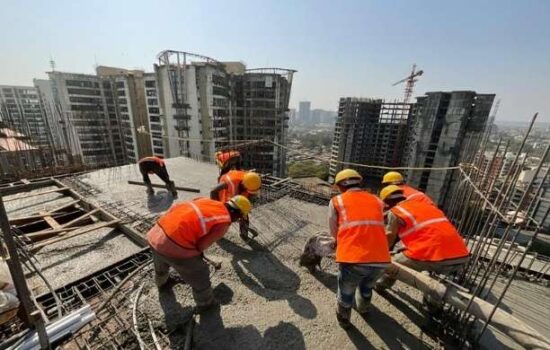
An open hole is not yet ready to receive concrete. The remaining subgrade soil must be carefully treated to ensure it can bear the weight of the future building without shifting.
Achieving Maximum Compaction
Final Grading for Moisture Control
The ground surrounding the future foundation must be graded to slope away from the structure at a precise angle. Proper grading ensures that rainwater flows naturally away from the building walls and into storm basins, preventing water from pooling around the foundation and causing leaks, basement moisture, or structural rot.
Implementing On-Site Access Routes
The final step in comprehensive site preparation involves creating dependable infrastructure to support the heavy logistics of the building phase.
Stabilized Access Roads
A construction site can quickly turn into a chaotic sea of mud when heavy concrete mixers, delivery trucks, and cranes drive over raw earth. Laying down a temporary roadbed made of crushed stone or recycled concrete aggregate keeps vehicles moving smoothly, prevents tire punctures, and stops trucks from tracking mud onto public roadways.
By executing each phase of site preparation with precision, you create a safe, organized, and structurally sound environment that sets the stage for a seamless build.