Hearing that you need oral surgery can sound intimidating. However, these procedures are standard medical practices designed to relieve pain and improve your overall health. Modern medical advancements make these treatments safer and more comfortable than ever before.
This guide breaks down the most frequent types of oral operations. You will learn what to expect from extractions, bone grafts, and advanced restorations. Knowing the specific details of your upcoming treatment empowers you to make confident decisions about your physical well-being.
Understanding Oral Surgery
Oral surgery covers a wide range of medical procedures performed on the teeth, gums, and jaw structures. General dentists handle minor issues, while specialized oral surgeons tackle more complex cases. These professionals use advanced imaging systems to map your mouth precisely before making any physical interventions.
High-resolution 3D scanners allow doctors to view nerve pathways and bone density levels clearly. This thorough planning ensures precise and painless treatments. Knowing the specifics of each procedure helps reduce anxiety and sets realistic expectations for recovery.
Routine Extractions and Wisdom Teeth
Extracting a tooth remains the most frequent surgical procedure performed in clinical settings. Doctors usually recommend extraction when severe decay or trauma makes a tooth impossible to save. Leaving a compromised tooth in place invites serious infections.
Why Wisdom Teeth Cause Trouble
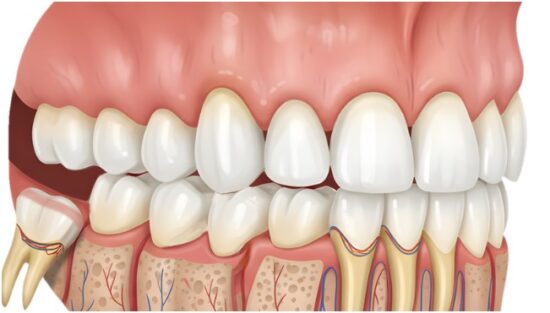
The third molars, commonly known as wisdom teeth, typically emerge during late adolescence. Many jawbones lack the physical space to accommodate these final four teeth. This lack of room causes the molars to become impacted or trapped beneath the thick gum tissue. Impacted teeth push against neighboring roots, causing intense pressure and increasing the risk of bacterial infection.
The Extraction Process
Removing these problematic molars requires a careful surgical approach. The surgeon creates a tiny incision in the gum tissue to access the trapped tooth. They gently remove the molar and close the area with dissolvable stitches.
Recovery generally takes about a week. Patients follow a soft food diet and use cold compresses to manage minor swelling. Following the prescribed resting protocols ensures a smooth and rapid healing phase.
Restoring Bone Health
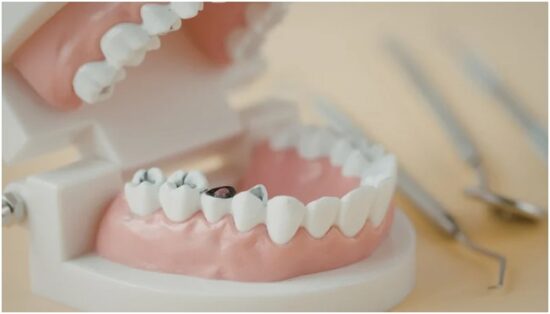
A healthy jawbone provides the necessary foundation for strong teeth, expert dentists handle jawpain and TMJ issues also. When you lose a tooth, the surrounding bone quickly begins to shrink due to a lack of physical stimulation from chewing. This process of atrophy changes your facial structure.
Bone Grafting Procedures
Surgeons perform bone grafts to rebuild areas where the jaw has lost critical density. During this procedure, the doctor places natural or synthetic bone material directly into the weakened area.
Over several months, your body absorbs this material and replaces it with new, healthy bone tissue. This creates a solid base for future restorative work. Grafting prevents further structural collapse and preserves the natural shape of your lower face.
Permanent Tooth Replacement
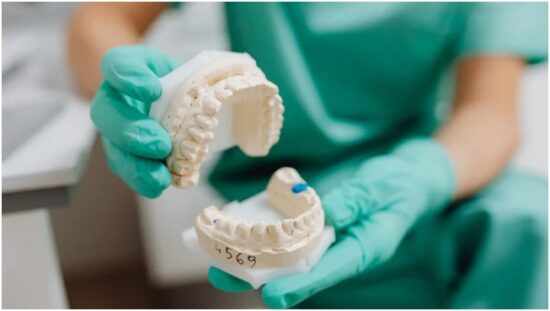
Missing teeth impact your ability to chew food properly and speak clearly. Leaving empty gaps in your smile also allows your remaining teeth to shift out of their proper alignment.
The Drawbacks of Older Methods
Historically, patients relied on removable dentures or fixed bridges to fill gaps. While functional, these options often require modifying healthy adjacent teeth for support. They also fail to stop the jawbone from shrinking over time.
How Modern Implants Work
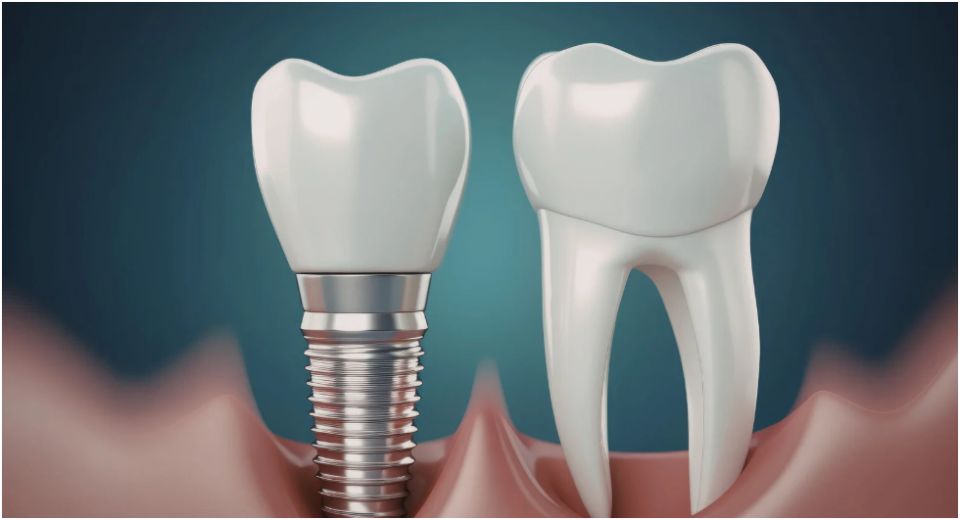
Modern medicine offers a permanent, structural solution to missing teeth. This process involves placing a small titanium post directly into the jawbone to act as an artificial root. For residents seeking reliable restoration options, completing dental implant surgery in Harrisonburg, VA provides a sturdy foundation for a custom crown.
The titanium naturally fuses with the surrounding bone over a period of a few months. Once fully healed, the new artificial tooth functions exactly like a natural one, allowing you to eat your favorite foods without hesitation.
Corrective Jaw Procedures
Sometimes the upper and lower jaws grow at different rates. This uneven growth leads to severe bite alignment issues that regular braces cannot fix. Orthognathic surgery corrects these deep skeletal irregularities. The surgeon repositions the jawbones to align perfectly. This intervention significantly improves a patient’s ability to chew, swallow, and breathe clearly. Doctors frequently utilize this surgery to resolve severe sleep apnea cases by physically widening the patient’s airway.
Conclusion
Oral surgery plays a crucial role in maintaining lasting dental health. Whether you need a simple extraction or a complex structural repair, understanding the process helps you prepare effectively. Addressing dental issues early prevents minor discomforts from turning into major complications down the road.
Take proactive steps to protect your structural health. Schedule a consultation with your local specialist to discuss which treatments will best protect your smile for the long term.