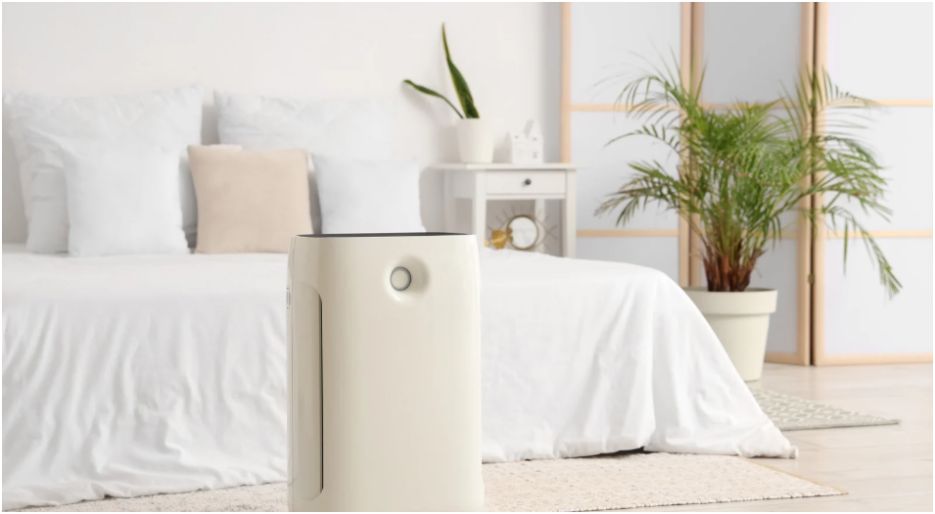
Nobody talks about this part until it is too late.
You buy the purifier. It works. Six months later, a filter replacement notice appears, and you look up the cost, and suddenly the $150 unit you thought was reasonable is looking more like a $400–$450 commitment over three years. That is the moment most buyers realise the shelf price was just the opening offer.
It is not a scam exactly. The information is technically available. It is just never presented in a way that makes the full picture easy to see before you have already committed.
Filters Cost More Than You Think
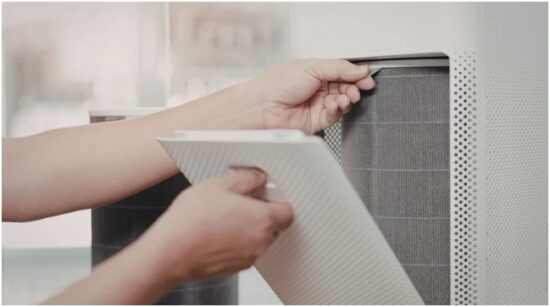
Here is how the filter situation usually works. Pre-filters are washable — forget about those. Carbon filters need replacing every six to twelve months, depending on what your home air actually contains. Pets, cooking, cigarette smoke, and outdoor pollution — all of it shortens the lifespan considerably.
Carbon filter replacements run roughly $15 to $40. HEPA filters sit between $30 and $80 for most mid-range models. Some brands bundle them together, which occasionally works out cheaper. Many do not bother.
Running the numbers annually — “roughly $60 – $120 in filter costs for continuous operation is pretty standard. International brands with specific replacement pricing sometimes push that past $150 per year. Over three years, that figure can quietly overtake what you originally paid for the machine. Most people discover this well past the return window.
Electricity — Not Dramatic, But Not Nothing
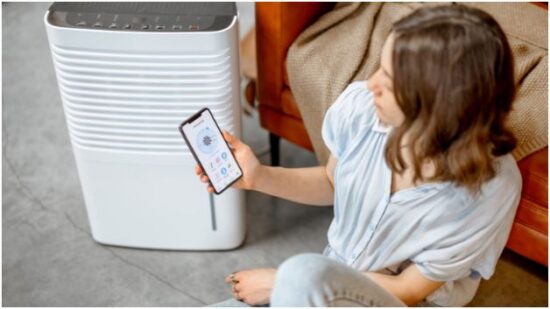
Purifiers are meant to run all day. That is literally how they work. Running one for two hours and switching it off is roughly equivalent to vacuuming once a week and calling the floor clean.
At mid-range speeds — which is what most people use in occupied rooms — the draw sits around 40 to 45 watts. The average electricity rates are between $0.10 to $0.20 per kWh, and twenty hours of daily operation costs somewhere between $40 to $90 annually. Monthly, that is, $3 to $8. Not catastrophic alone. Alongside annual filter costs, though, it adds up to something worth knowing before purchase rather than after.
One thing manufacturers do consistently — advertise energy consumption at minimum speed. Nobody uses minimum speed as their daily setting. Check wattage at the speed you would actually run the unit in a room you are sitting in, thats the smart way to stay financially flexible and make air purifier a little easy on your pocket. That is the number that feeds into your real annual cost.
Filter Indicators Are Less Reliable Than They Look
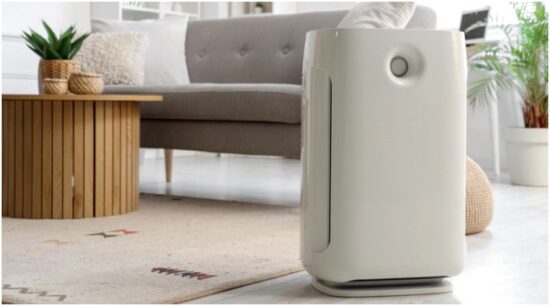
Most purifiers have a light telling you when to replace the filter. Most of those lights are timers — counting operating hours and illuminating after a fixed number, regardless of whether the filter is actually spent.
In a clean apartment with no pets, the filter is probably fine when the light appears. In a house with two dogs and someone who cooks heavily, it was likely struggling before the indicator was noticed. Neither situation is well served by a timer.
Check the filter visually every three months. A genuinely clogged filter looks clogged — grey, compressed, obviously past its best. The Winix 5510 review on Air Purifier Hub covers real-world filter longevity, specifically, considerably more useful than manufacturer guidance built around ideal conditions nobody actually lives in.
The Calculation That Should Happen Before Purchase
Purchase price plus three years of filters plus three years of electricity. That is the real number worth comparing between models — not the shelf price alone.
A unit $40 cheaper upfront but needing $80 more annually in filters ends up costing more overall. A unit with lower filter costs but higher energy draw might balance out, depending on daily usage hours. Running this calculation properly — the way the Winix 5510 review approach at Air Purifier Hub applies a full ownership cost framework — changes which models look competitive and which ones do not.
Do the maths before anything goes in the cart. The shelf price is just where the conversation starts.