
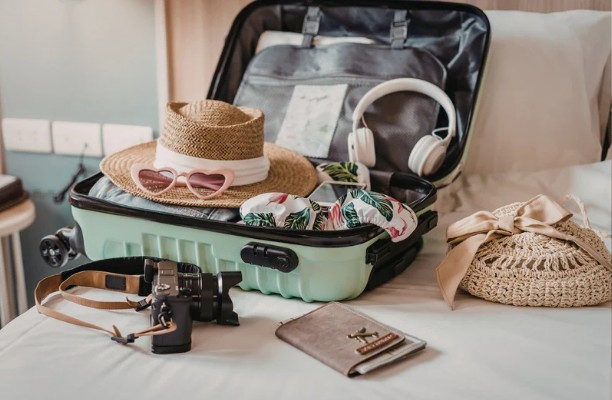
Preparing for an outdoor recreation trip requires a careful balance. Bring too little, and you might find yourself uncomfortable or unprepared for changing conditions. Bring too much, and you will be weighed down by unnecessarily heavy bags, making it harder to enjoy the natural surroundings you came to see.
Knowing exactly what to put in your bag is a skill that takes time to develop. Every destination has its own unique terrain, climate, and logistical challenges. A weekend camping in the mountains demands entirely different equipment than a day trip kayaking down a local river.
To help you skip the trial-and-error phase, we have put together a practical guide to preparing for your next excursion. These five packing tips will ensure you have everything you need to stay safe, comfortable, and ready for whatever nature sends your way.
1. Start with a Comprehensive Checklist
The most common packing mistakes happen when people try to rely entirely on their memory. Writing down exactly what you need a few days before your departure gives you time to review and adjust your plan.
Begin by categorizing your list into essential areas: clothing, shelter, food, navigation, and safety. This system prevents small but crucial items, like extra batteries or a multi-tool, from slipping your mind. It also gives you a visual representation of how much stuff you are actually trying to bring.
As you build your checklist, check the local weather forecast for your destination. Pay attention to the expected nighttime lows and any chance of precipitation. Adjust your written list accordingly, adding rain gear or extra warm socks if the forecast looks unpredictable. Crossing items off as you place them into your bag guarantees that nothing is left behind on the kitchen counter.
2. Master the Art of Layering
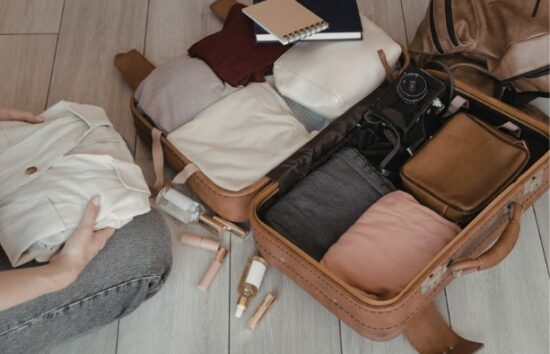
Experienced outdoor enthusiasts know that weather can change rapidly, especially at higher elevations. Instead of packing a single heavy winter coat, build your wardrobe around a reliable layering system. This approach allows you to regulate your body temperature simply by adding or removing clothing as your activity level and the environment change, much like following self-care steps before important events to stay prepared and comfortable.
A proper layering system consists of three main parts:
- Base layer: This is the clothing that sits directly against your skin. Choose moisture-wicking materials like merino wool or synthetic fabrics to pull sweat away from your body. Avoid cotton, which traps moisture and can make you feel cold and clammy.
- Middle layer: The middle layer provides insulation by trapping your body heat. Fleece jackets or lightweight down vests are excellent choices because they offer significant warmth without taking up much space in your pack.
- Outer layer: Your final layer protects you from wind and rain. Pack a durable, waterproof, and breathable shell jacket to keep the elements out while allowing sweat vapor to escape.
3. Prioritize Navigation and Safety Gear
Nature is highly unpredictable. Even if you are visiting a well-marked trail or a popular campground, you must carry basic safety and navigation equipment. Cell phone service is notoriously unreliable in wilderness areas, so you cannot depend on digital maps alone.
Always pack a physical topographic map of the area and a reliable compass. Knowing how to use them is just as important as carrying them. Additionally, bring a dedicated first-aid kit tailored to the size of your group and the length of your trip. Standard kits should include bandages, antiseptic wipes, blister treatments, tweezers, and any personal medications you might need.
Other crucial safety items include a loud whistle to signal for help, a headlamp with extra batteries, and a fire-starting kit. These items take up very little room in your backpack but can make a massive difference if an emergency arises or you find yourself on the trail after dark.
4. Plan for Your Specific Activity and Equipment Needs
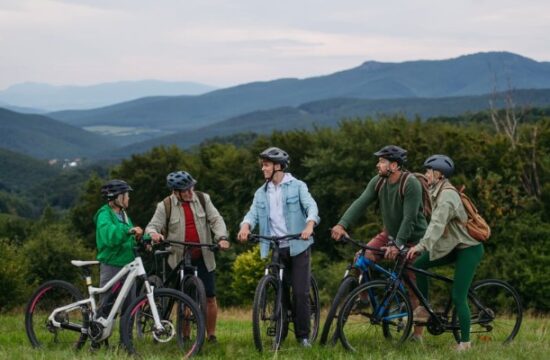
The gear you pack depends heavily on the type of recreation you have planned. A minimalist backpacker needs ultralight gear, while a family planning a week-long off-roading trip has vastly different requirements. Heavy equipment requires specific transportation strategies before you even start packing your personal duffel bags.
If your trip involves hauling large items like ATVs, dirt bikes, or extensive camping setups, you need the right vehicle and transport hardware. Many outdoor enthusiasts look for robust towing options to safely move their gear to the trailhead. For instance, people often browse dump trailers for sale in Utah when they need a heavy-duty, versatile hauling solution for both property maintenance and transporting bulky outdoor recreational vehicles.
Whatever your activity, lay out all your bulky gear first. Make sure you have the appropriate tie-downs, protective covers, and storage bins to keep everything secure during transit.
5. Optimize Your Food and Hydration
Staying nourished and hydrated is vital for maintaining your energy levels and focus. Your body burns significantly more calories when hiking, climbing, or paddling than it does during a normal day at home.
Pack high-calorie, lightweight foods that require minimal preparation. Trail mix, jerky, energy bars, and dehydrated meals are all excellent options that save weight and space. Including protein-rich snacks sourced from artisan butchery can add both quality and flavor to your trail meals. Remove excess cardboard packaging before you leave home to reduce the amount of trash you have to carry out.
For hydration, bring at least two liters of water per person for a full day of moderate activity. If you plan to refill your bottles from natural water sources along the route, you must pack a reliable water purification method. Portable water filters, purification tablets, or a small stove to boil water are essential additions to your pack to prevent waterborne illnesses.
Prepare for Your Next Great Adventure
Packing for the outdoors does not have to be a stressful experience. By utilizing checklists, preparing versatile clothing layers, and organizing your specialized gear properly, you set yourself up for a successful trip. The time you spend carefully organizing your equipment at home translates directly into more time enjoying the beautiful scenery once you arrive. Grab your gear, review your checklist one last time, and head out to explore the trails with confidence.