
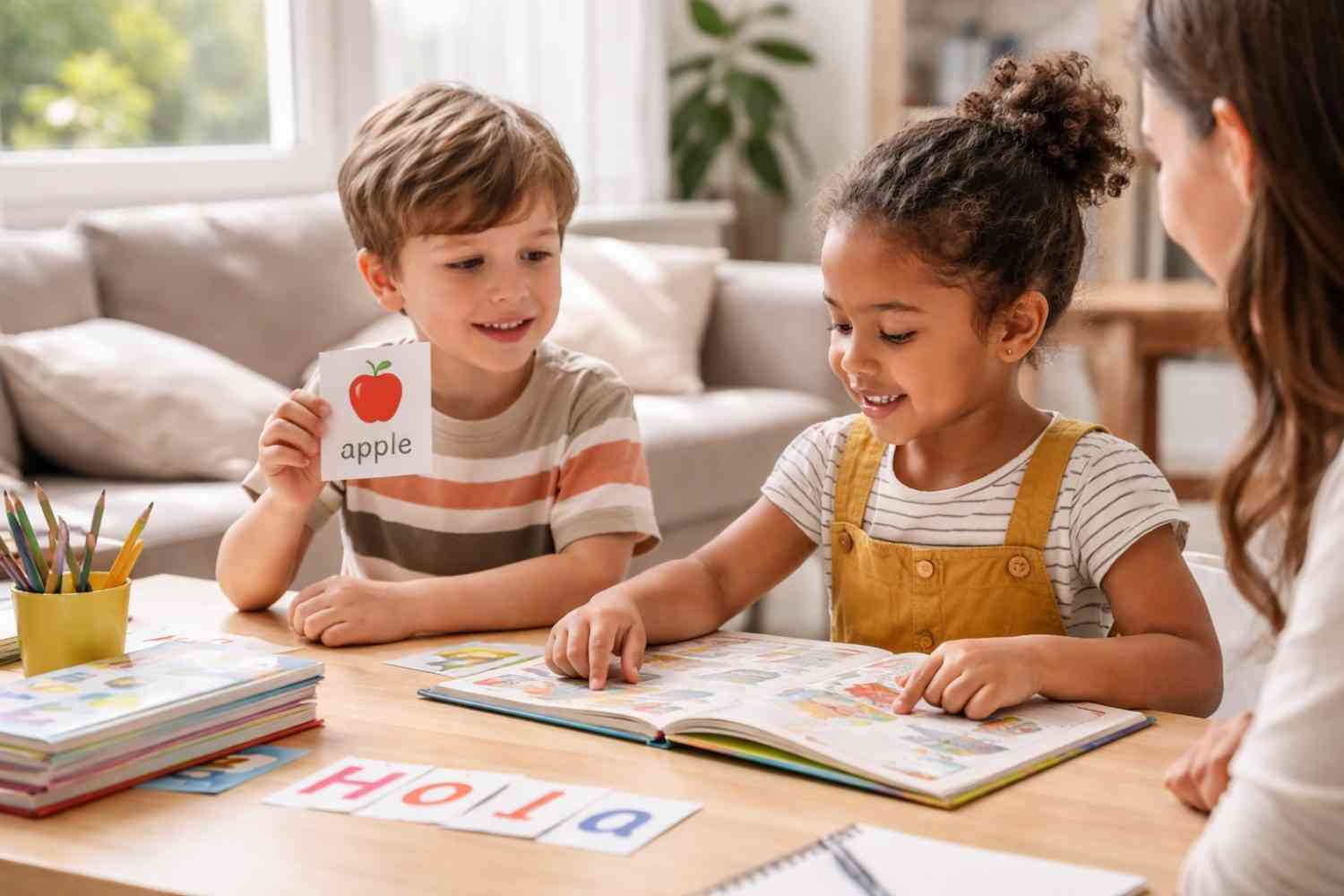
Watching a child discover the world is a fascinating process. During the first few years of life, young minds absorb information at an astonishing rate. They soak up vocabulary, grammar rules, and social cues without any formal instruction. This rapid growth creates the perfect window for introducing a second language. Teaching toddlers and preschoolers multiple languages offers profound cognitive, social, and developmental benefits that extend far beyond simple communication. This guide explores exactly why the early years provide the optimal environment for linguistic growth and how this dual language foundation sets children up for lifelong academic and personal success.
The Cognitive Advantages of Early Bilingualism
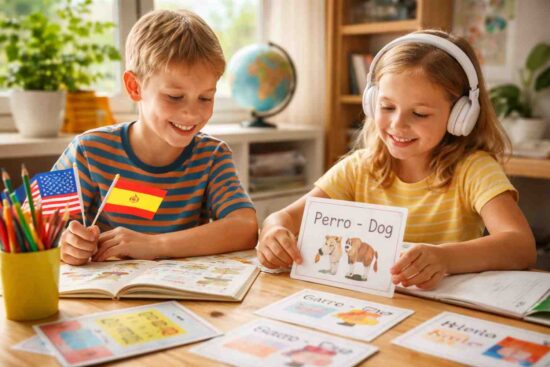
Learning a new language reshapes the mind. When this process begins early, the cognitive benefits become deeply ingrained in a child’s mental framework.
Building a Flexible Brain
A young brain possesses remarkable plasticity. Before the age of five, neural pathways form and adapt easily based on new daily experiences. When children hear and practice two distinct languages, their brains build dense, highly active networks of connections. This unique mental architecture directly improves their executive function. They learn to switch focus between different tasks seamlessly and block out unnecessary distractions. Adults often struggle to learn new grammar rules, but a young child simply absorbs them as a natural part of their daily routine.
Enhancing Problem-Solving Skills
Navigating different vocabularies requires constant mental gymnastics. Kids who speak two languages regularly outperform their peers in logic puzzles, pattern recognition, and creative thinking exercises. They must constantly determine which word fits the current context, training their minds to evaluate multiple options simultaneously. This regular practice strengthens their ability to analyze complex situations and find innovative solutions. The cognitive flexibility gained through early bilingualism creates a sharper, more agile mind.
Social and Cultural Development
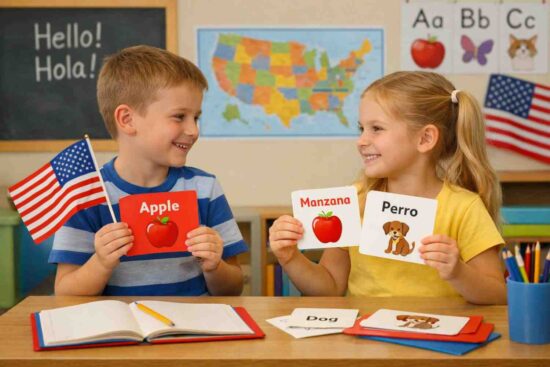
The benefits of early language learning extend far beyond pure brain power. It also changes how children interact with the people and develop self-care steps around them.
Fostering Empathy and Connection
Language acts as a direct bridge between people. Understanding another tongue exposes children to diverse perspectives, unique traditions, and new ways of living. They realize early on that different groups use entirely different words to describe the exact same object. This realization builds deep emotional intelligence and empathy. Kids become much more open-minded and accepting of cultural differences when they can communicate across diverse communities. They also become naturally curious about everyday topics people discuss in different places, from local traditions to practical subjects like tree care in Logan, helping them see language as a tool for understanding the world around them. They learn to appreciate variety rather than fear it.
Breaking Down Communication Barriers
Young learners do not feel the same self-consciousness that adults experience when making verbal mistakes. A toddler will happily babble, guess meanings, and mispronounce words without any fear of embarrassment. This natural confidence allows them to practice freely with peers and teachers. They form meaningful friendships with a wider circle of people, enhancing their social skills. By interacting with a broader range of individuals, they learn to read nonverbal cues and adjust their communication style to suit different listeners.
Academic and Long-Term Success
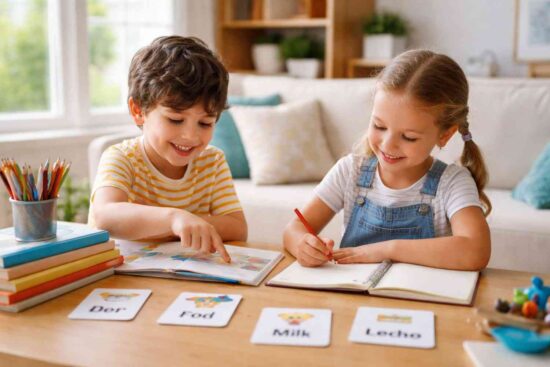
The skills acquired through early bilingualism create a strong foundation for future scholastic achievements.
Stronger Foundations for Reading
Mastering sounds from multiple alphabets sharpens a child’s phonological awareness. They become highly sensitive to the rhythm, tone, and structure of speech. This heightened auditory sensitivity translates directly to early reading success. Bilingual students often grasp phonics much faster because they already understand how distinct sounds combine to form complex ideas. They decode written words with greater ease, giving them a significant advantage when they enter elementary school.
Expanding Future Educational Opportunities
Immersive environments accelerate this entire learning process significantly. Surrounding a child with native speakers ensures they pick up the correct accent and a natural conversational flow. Parents often seek out specialized early education centers to provide this vital daily exposure. Enrolling your child in a Spanish preschool in Spanish in San Antonio gives them a massive head start. They spend their days playing, singing, and interacting entirely in a second language, making the acquisition process feel completely effortless. These immersive settings turn language acquisition into an engaging game rather than a tedious chore.
Setting the Stage for a Bright Future
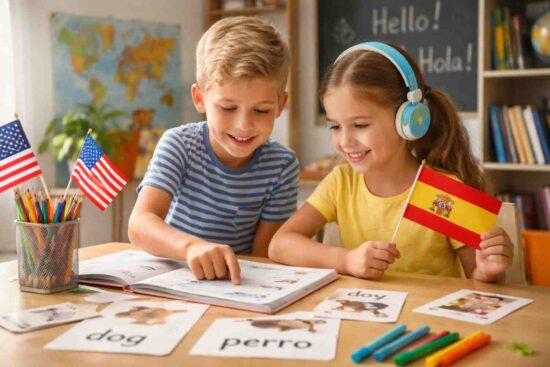
The early years truly offer a golden opportunity for linguistic development. Introducing a second language during childhood transforms how the developing brain processes new information. Kids develop stronger problem-solving abilities, deeper cultural empathy, and superior reading skills. Taking advantage of this critical developmental window provides incredible benefits that last a lifetime. Explore local language immersion programs, read bilingual books, or start introducing basic vocabulary at home to give your child this incredible developmental advantage.