Your mouth does more than help you eat and speak—it’s a window into your overall health. Many serious conditions, from heart disease to diabetes, often show their first signs in your oral cavity. Yet most people dismiss early symptoms like bleeding gums or persistent bad breath as minor nuisances.
Persistent Bad Breath That Won’t Go Away
Chronic bad breath, also known as halitosis, that continues despite good hygiene can be a sign of a more serious issue. It may be caused by bacteria under the gum line, indicating early gum disease or tooth decay. Other causes include dry mouth, medications, or systemic conditions like diabetes. If brushing, flossing, and mouthwash don’t resolve the issue, it’s best to see a dentist to find and treat the root cause.
Bleeding or Swollen Gums
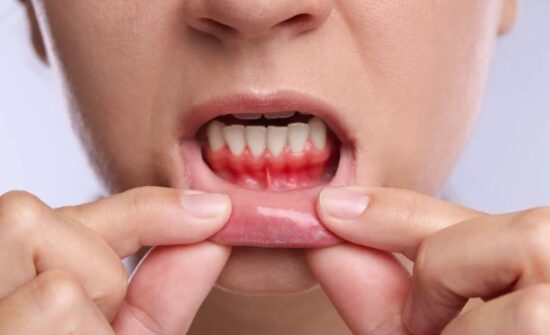
Bleeding gums during brushing or flossing can signal gingivitis, the early stage of gum disease. Healthy gums are pink and firm, but inflammation causes redness, puffiness, and tenderness. If untreated, gingivitis can progress to periodontitis, which damages the bone supporting teeth. Hormonal changes, medications, and vitamin deficiencies may also lead to gum inflammation. Early treatment with professional cleaning and better oral care can reverse gingivitis and prevent lasting damage.
Receding Gums or Loose Teeth
If your teeth appear longer, your gums may be receding, which is a key sign of periodontal disease. As gums pull back, they create pockets where bacteria can grow. In some cases, bite problems such as deep bite can place excessive pressure on certain teeth and gums, and accelerating tissue damage. Eventually, advanced gum disease can destroy the bone supporting your teeth, causing them to loosen or shift. See a dentist immediately if you notice loose teeth, as this indicates significant damage that could lead to tooth loss.
Persistent Mouth Sores or White Patches
Mouth sores that don’t heal within 14 days require professional evaluation, as they can be a sign of oral cancer. Other concerning symptoms include persistent white or red patches (leukoplakia), lumps, difficulty swallowing, or numbness. Early detection is critical, so see a dentist for any unusual or non-healing sores.
Prompt diagnosis not only protects your overall health but also ensures that, if treatment affects your teeth or oral structures, the dental restoration process in Winnipeg can help rebuild function and appearance as part of your recovery plan.
Chronic Jaw Pain or Clicking

Jaw pain lasting for weeks can be a sign of temporomandibular joint disorder (TMJ) or teeth grinding (bruxism), which may also cause clicking sounds, difficulty chewing, or radiating pain. These conditions, often linked to stress, misaligned teeth, or arthritis, can lead to tooth damage and headaches. If you’re experiencing these symptoms, it may be time to consult a dentist or explore options like oral surgery in Richmond, Indiana. A dentist can evaluate your jaw and suggest treatments like a custom night guard, physical therapy, or stress management.
Unexplained Tooth Sensitivity
Occasional tooth sensitivity is normal, but lingering sharp pain from hot, cold, sweet, or acidic foods may indicate enamel erosion, exposing the sensitive dentin layer. This can result from acidic foods, aggressive brushing, acid reflux, tooth decay, or gum recession. If sensitivity worsens or develops suddenly, visit your dentist for treatments like fluoride, desensitizing toothpaste, or restorations to protect exposed areas.
Changes in Your Bite or Tooth Alignment
Changes in bite alignment, such as teeth not fitting together or dental work feeling off, can result from teeth grinding, gum disease-related bone loss, or missing teeth. These subtle shifts may cause uneven wear, jaw pain, and chewing difficulties. Early intervention is key to preventing further complications and maintaining dental health.
Conclusion
Don’t wait for pain—if you notice warning signs, schedule an appointment promptly. Early detection helps avoid extensive procedures, higher costs, and tooth loss. Prioritize good daily hygiene and partner with your dentist to maintain a healthy smile and overall wellbeing.