

Getting fired without warning can feel confusing and humiliating. One moment you’re doing your job, and the next, you’re told to leave. In the US, this kind of sudden termination is common because most employees work under an at-will system. That reality often leaves people wondering whether what happened to them was unfair, unethical, or actually illegal.
The hard truth is that being fired abruptly doesn’t automatically mean your employer did something wrong. But there are clear legal lines employers cannot cross. When a sudden firing violates federal or state law, breaks a contract, or goes against public policy, it stops being “just business” and starts counting as wrongful termination.
Why At-Will Employment Still Has Limits?
At-will employment allows employers to terminate workers for almost any reason, or no reason at all. There’s no legal requirement for advance notice, warnings, or explanations in most cases. This is why sudden firings are so common across industries.
Still, at-will does not mean unlimited power. Employers cannot use at-will employment to cover up illegal motives. If the reason for firing you violates employment laws, the termination can be wrongful even if it happened instantly and without explanation.
Illegal Discrimination Still Applies
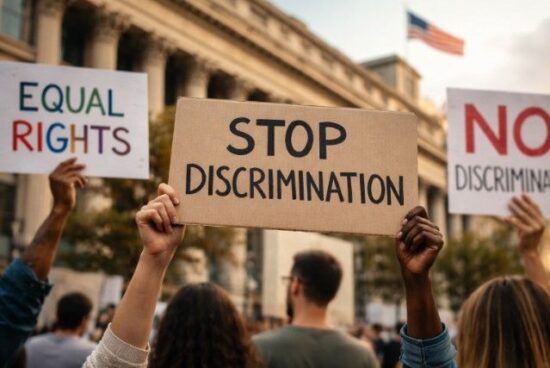
Discrimination remains one of the clearest examples of wrongful termination. Employers cannot fire someone because they belong to a legally protected group. This applies regardless of job performance, company policy, or at-will status.
Protected characteristics generally include race, color, religion, national origin, sex, gender identity, sexual orientation, age (40 or older), disability, pregnancy, genetic information, and certain medical conditions. If your termination was connected to any of these traits, the firing may be unlawful even if your employer never stated the reason directly.
Retaliation After You Exercised Your Rights
Another common form of wrongful termination happens after an employee exercises a legal right. Employers are prohibited from punishing workers for engaging in protected activities.
These activities include reporting workplace harassment or discrimination, filing wage or overtime complaints, requesting disability accommodations, taking legally protected medical or family leave, reporting safety violations, or participating in union-related discussions. If you were fired soon after doing something the law protects, retaliation may be involved.
When Termination Violates Public Policy?
Public policy protections exist to prevent employers from firing workers for reasons that harm society’s broader interests. These protections often come into play when an employee refuses to do something illegal or fulfills a legal obligation.
Examples include being fired for refusing to falsify records, committing fraud, serving on a jury, taking time off to vote where legally protected, or filing a workers’ compensation claim. Even without a written contract, terminations that violate public policy may qualify as wrongful.
Contracts and Company Policies Matter
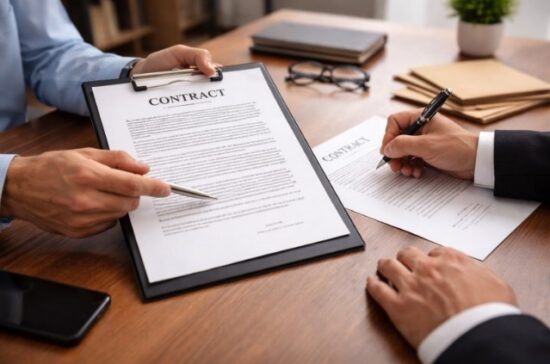
Not all employment relationships are purely at-will. Some employees have written contracts, while others are covered by implied agreements created through company policies or promises.
If your employer agreed that you could only be fired “for cause,” or promised progressive discipline through an employee handbook, skipping those steps may make the termination unlawful. Even verbal assurances can sometimes carry legal weight, depending on the circumstances and state law.
Mass Layoffs Without Proper Notice
Sudden termination may also be illegal when it occurs as part of a large layoff. Federal and state laws require certain employers to provide advance notice before mass layoffs or facility closures.
When companies fail to give the legally required notice, affected employees may have valid claims even if the layoffs were financially motivated.
When Sudden Firing Is Still Legal
Not every abrupt termination counts as wrongful. Employers are generally allowed to fire employees immediately for serious misconduct, including theft, violence, major safety violations, or extreme insubordination. Poor performance or business downturns can also justify termination if no protected rights are involved.
These situations often feel unfair, but unfair does not always mean illegal under US employment law.
Quick Signs Your Sudden Firing May Be Wrongful

- You were fired shortly after reporting misconduct or requesting a legal right
- The termination followed a discrimination complaint or protected leave
- Company policy promised warnings or discipline that never happened
- You were asked to do something illegal and refused
- The firing happened during a large layoff without proper notice
FAQs
1. What counts as wrongful termination in the US?
Wrongful termination occurs when an employee is fired for illegal reasons, such as discrimination, retaliation, violating public policy, or breaching an employment agreement, even in at-will states.
2. Is firing someone without warning illegal?
No. Firing without warning is generally legal unless the reason for termination violates employment laws or contractual obligations.
3. Can at-will employees sue for wrongful termination?
Yes. At-will employees can still pursue claims if the termination involved illegal discrimination, retaliation, or other protected violations.
4. How do I know if my firing crossed a legal line?
Review the timing, circumstances, company policies, and whether you recently exercised a legal right. These details often reveal whether a termination may have been wrongful.
Final Thoughts
Being fired suddenly can leave you feeling powerless, especially when employers hide behind at-will employment. But the law places real limits on how and why companies can terminate workers. If your firing involved discrimination, retaliation, broken promises, or violations of public policy, it may qualify as wrongful termination even if it happened without warning.
Understanding what counts as wrongful termination in the US gives you clarity during a stressful moment. It helps you separate what’s legally allowed from what crosses the line and puts you in a better position to decide what to do next.