Flooding can cause severe damage that goes far beyond standing water. It can soak into walls, ruin floors, spread bacteria, and even threaten your home’s structural integrity.
Understanding how professionals handle water damage remediation is crucial for homeowners looking to restore their property safely and thoroughly. This guide outlines the complete process experts use, from cleanup and drying to repair and prevention, specifically focusing on water damage remediation in Orem, UT.
Step 1: Safety First
Safety comes first. Professionals start by ensuring the property is safe to enter, often shutting off electricity and checking for structural issues.
Since floodwaters may contain sewage, chemicals, or harmful bacteria, protective gear is essential, and the area is treated as a potential health hazard. This step minimizes the risk of injury or contamination during cleanup.
Step 2: Removing Water and Moisture
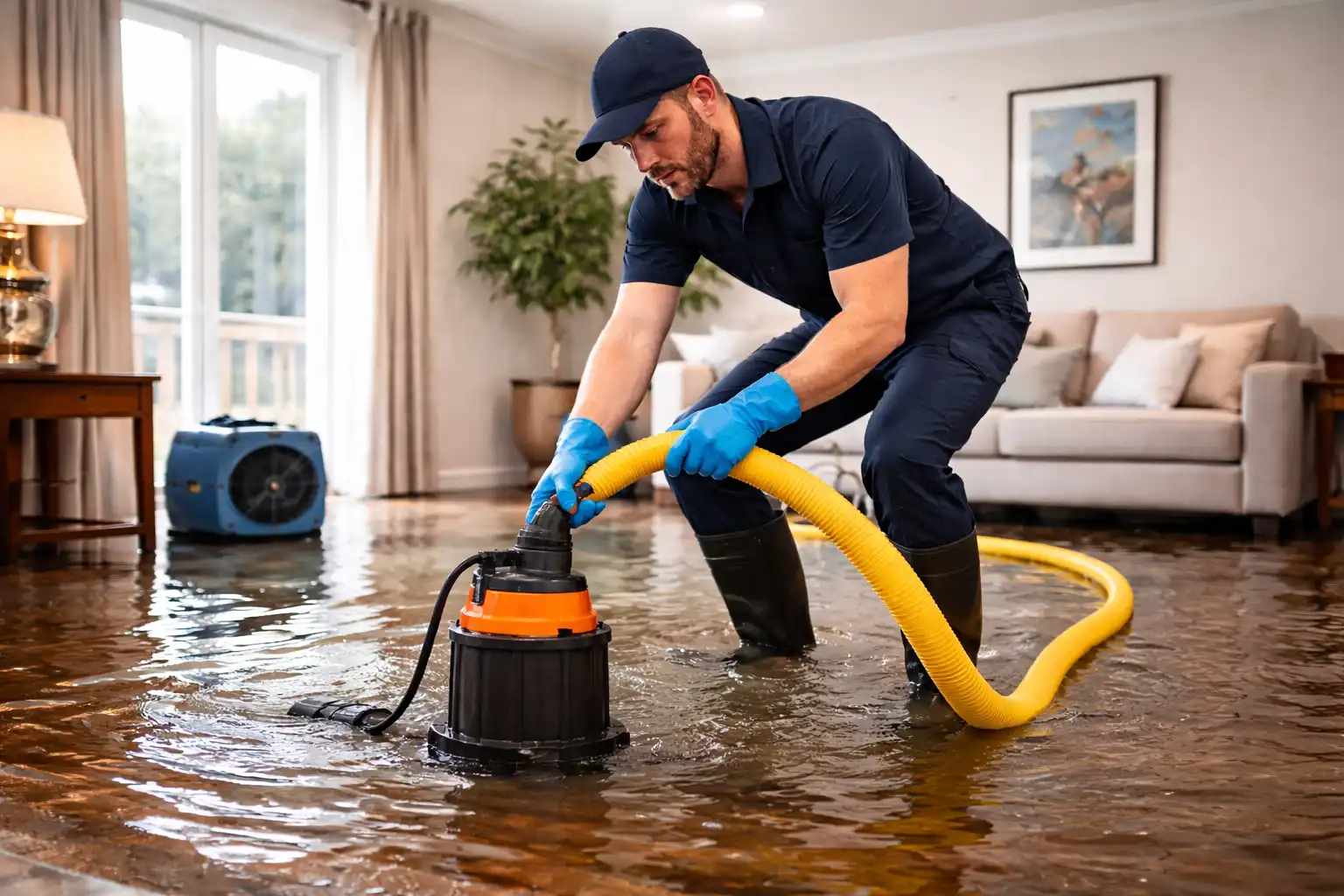
Once the area is safe, professionals use high-powered pumps and vacuums to remove standing water. This step is crucial to prevent moisture from seeping deeper into materials like wood, drywall, and concrete. After the visible water is gone, dehumidifiers and air movers are used to thoroughly dry the space.
Professionals use moisture meters to find and eliminate hidden dampness, which helps prevent long-term issues like mold growth and structural decay. Depending on the extent of the flooding, this complete drying process can take several days.
Step 3: Inspection and Damage Assessment
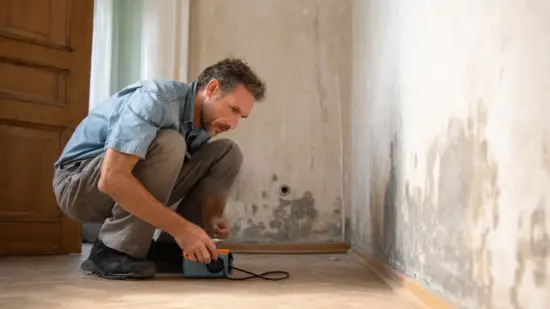
Once the area is dry, a thorough inspection is needed to identify damaged materials and determine what can be saved. Walls may be opened to check insulation, and flooring might be pulled up to examine the subfloor.
In some situations, baseboards, cabinets, or drywall sections will need to be removed. This detailed assessment creates a comprehensive overview of the damage, giving homeowners a clear picture of necessary repairs and replacements. It also provides essential documentation for insurance claims.
Step 4: Deep Cleaning and Disinfection
Floods can leave behind bacteria, mold, and unpleasant odors, making deep cleaning an essential step in restoration. Technicians use industrial-grade cleaners and disinfectants to thoroughly sanitize surfaces and materials.
Damaged items like rugs, upholstery, and personal belongings are either professionally cleaned or discarded, depending on their condition. Odor removal treatments, such as ozone or fogging systems, ensure the home smells clean and fresh.
This deep cleaning process is a crucial part of water damage remediation, helping restore homes to a safe, livable state.
Step 5: Mold Prevention and Treatment
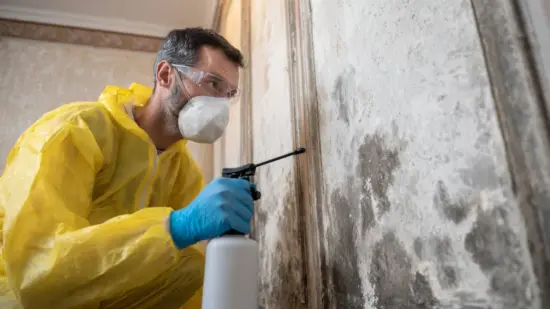
Mold can start growing within 24 to 48 hours after a flood, even if the area seems dry. It often forms in hidden spaces like behind walls or under flooring. To prevent this, experts use antimicrobial treatments and mold-resistant sealants during restoration.
They also test air quality and inspect hidden areas with tools like thermal imaging and moisture sensors to ensure no mold is overlooked.
Step 6: Repairing and Rebuilding
Once the space is clean, dry, and structurally sound, the repair work can begin. This stage may involve replacing drywall, repainting, installing new flooring, and rebuilding cabinets or trim. Sometimes, minor electrical or plumbing work is also necessary.
Contractors work to restore everything to its pre-damage condition or better. This final step completes the transformation, leaving the home stronger and more resilient against future water damage.
Step 7: Final Inspection and Prevention Advice
Before wrapping up the project, a final walk-through ensures all issues are resolved. Homeowners are given practical tips to prevent future water damage, such as installing sump pumps, sealing the foundation, or placing water sensors in key areas.
Since weather changes and plumbing problems can occur unexpectedly, these steps are essential for long-term home protection.
Why Professional Remediation Matters
Cleaning up after a flood yourself can result in missed moisture, hidden mold, and costly repairs later. Professionals have the training, tools, and expertise to speed up recovery and ensure safety. Hiring water damage remediation experts guarantees every step—drying, disinfecting, and rebuilding—is done properly, saving you time, money, and stress.
Conclusion
While floods can happen quickly, recovery requires careful planning and expert execution. From the initial water removal to the final reconstruction, professional water damage remediation ensures your home is restored safely and completely. If you experience water damage, hiring full-service remediation specialists offers peace of mind that every detail is handled correctly. Proper restoration goes beyond cleanup—it rebuilds your home’s safety, comfort, and value.