
In heavy machinery operations, an operator’s visibility is crucial for safety, efficiency, and precision. For equipment such as loaders, excavators, and cranes, clear sightlines are a basic necessity for effective operation, enabling operators to navigate safely, avoid hazards, and work confidently.
Common Sightline Challenges
Operators of loaders, excavators, and cranes face unique and significant visibility obstacles due to the very design and function of their machines. Understanding these specific challenges is the first step toward developing effective solutions.

Loader Visibility Issues
Loaders are workhorses on any job site, but their design inherently creates blind spots. The large front bucket, lift arms, and engine housing can obstruct the operator’s view, particularly of the area immediately in front of and around the machine.
- Forward Obstruction: When the bucket is raised, it can completely block the forward view, making it difficult to see pedestrians, other vehicles, or ground-level obstacles. Even when the bucket is lowered, its size can obscure the area directly in front of the wheels.
- Rear Blind Spots: The large engine compartment at the rear of most loaders creates a substantial blind spot. This makes reversing a high-risk maneuver, as it’s difficult for operators to see people or objects directly behind them.
- Side Pillar Obstructions: The structural pillars of the operator cab, while essential for safety, can create significant blind spots to the sides. This is particularly problematic when turning or operating in congested areas.
Excavator Visibility Problems
Excavators, with their long booms and rotating superstructures, present a different set of visibility challenges. The operator’s position relative to the moving parts of the machine is a key factor.
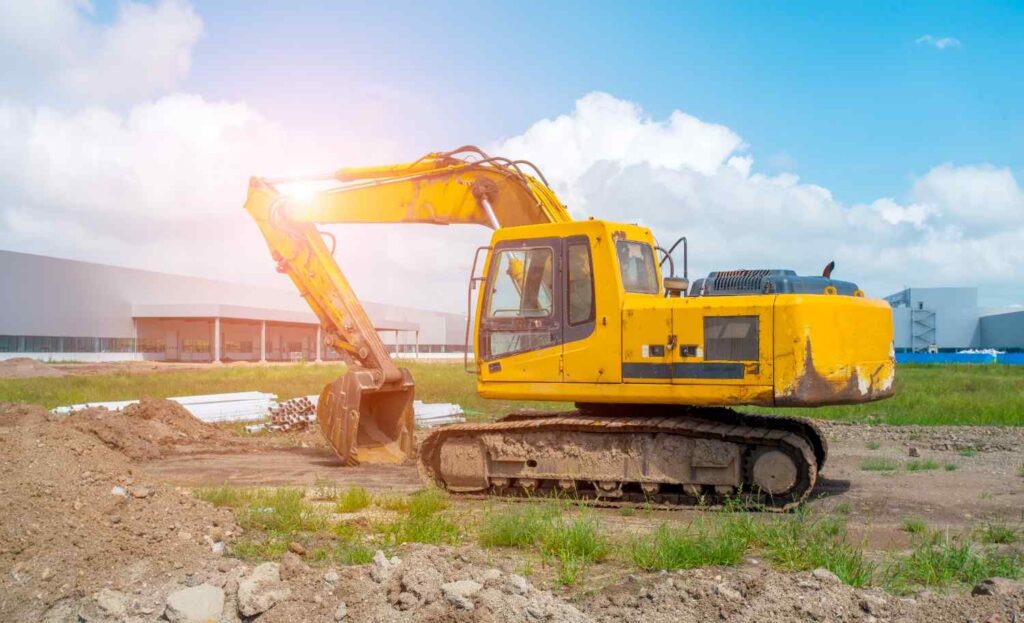
- Right-Side Blind Spot: Most excavators have the engine and hydraulic components housed on the right side of the cab. This creates a massive blind spot that can hide an entire pickup truck from the operator’s view. It’s one of the most well-known and dangerous visibility issues in the industry.
- Boom and Stick Obstruction: The excavator’s own arm—the boom and stick—can block the operator’s view of the bucket and the immediate work area, especially during deep trenching or when working close to the machine.
- Counterweight Swing Zone: As the excavator’s house rotates, the rear counterweight swings outward, creating a hazardous zone. While mirrors and cameras can help, the operator’s direct line of sight to this area is often limited, posing a risk to ground personnel.
Crane Sightline Limitations
Crane operators often work at great heights and distances from the load they are controlling, making direct line of sight a primary challenge. Their visibility issues are less about blind spots around the machine’s base and more about the connection to the task at hand.
- Obstructed Load View: The crane’s hook block, boom, and even the building structure itself can obscure the operator’s view of the load and the landing zone. Operators often rely on hand signals from a spotter on the ground, which introduces the potential for miscommunication.
- Distance and Depth Perception: Operating from a cab high above the ground makes it difficult to accurately judge distances and depths. This can lead to collisions with structures or improper placement of loads.
- Cab and Boom Structure: The physical structure of the crane cab and the lattice or telescopic boom can create visual barriers, forcing the operator to constantly shift their position to maintain a clear view of the operation.
Solutions for Enhanced Sightlines
Addressing these visibility challenges requires a multi-faceted approach, combining intelligent cab design with advanced technology. Continuous innovation is helping to turn once-blind spots into visible, manageable areas.
Advanced Cab Design
The operator’s cab is the first line of defense against poor visibility. Thoughtful design can dramatically improve what an operator can see without relying solely on technology.
- Increased Glass Area: Modern cabs feature larger, panoramic windows and thinner, yet stronger, structural pillars to maximize the glazed area. Curved and one-piece windshields eliminate obstructive frames, providing a more seamless field of view. Some cab manufacturers are even experimenting with floor-to-ceiling glass to improve visibility of the ground below.
- Ergonomic Layout: Placing the operator’s seat in an optimal position, with adjustable controls and displays that don’t block sightlines, is crucial. A comfortable operator who can easily see and reach everything is a more alert and effective operator.
- Strategic Mirror Placement: While cameras are becoming standard, well-placed convex and heated mirrors remain a vital, low-tech solution. They provide a reliable, wide-angle view of the machine’s sides and rear, serving as an important backup to electronic systems.
Camera and Monitoring Systems
Technology offers some of the most effective solutions for eliminating blind spots. Camera systems have evolved from simple backup aids to sophisticated, multi-view monitoring tools.
- Rear-View and Side-View Cameras: A basic but essential feature, these cameras provide a clear view of the areas most commonly associated with blind spots. Displays are mounted inside the cab, giving the operator instant visual confirmation when reversing or turning.
- 360-Degree Vision Systems: Often called “bird’s-eye view” systems, these integrate feeds from multiple cameras placed around the machine. The software stitches these images together to create a single, continuous overhead view, effectively eliminating all blind spots. This gives the operator complete situational awareness, which is invaluable in crowded work environments.
- Object Detection Technology: Taking cameras a step further, some systems use radar or AI-powered image recognition to actively detect people or objects in the machine’s path. These systems can alert the operator with audible alarms or visual warnings on the display, providing an extra layer of safety.
Specialized Technologies
Beyond standard cameras and mirrors, other technologies are being developed to tackle specific visibility challenges.
- In-Hook Cameras for Cranes: To solve the problem of an obstructed load view, some cranes are now equipped with cameras mounted directly on the hook block. This gives the operator a clear, top-down view of the load and the landing area, reducing reliance on hand signals and improving placement accuracy.
- Augmented Reality (AR) Displays: Emerging AR technology can overlay critical information onto the operator’s view, either on a transparent cab display or through smart glasses. This could include highlighting the intended path of a load, marking underground utilities, or showing the swing radius of an excavator, all without obstructing the real-world view.
Conclusion
The heavy machinery industry is focusing on improving visibility to meet stricter safety standards and handle complex job sites. Solutions include intelligent cab design and advanced technologies like 360-degree cameras and augmented reality to enhance operations.