
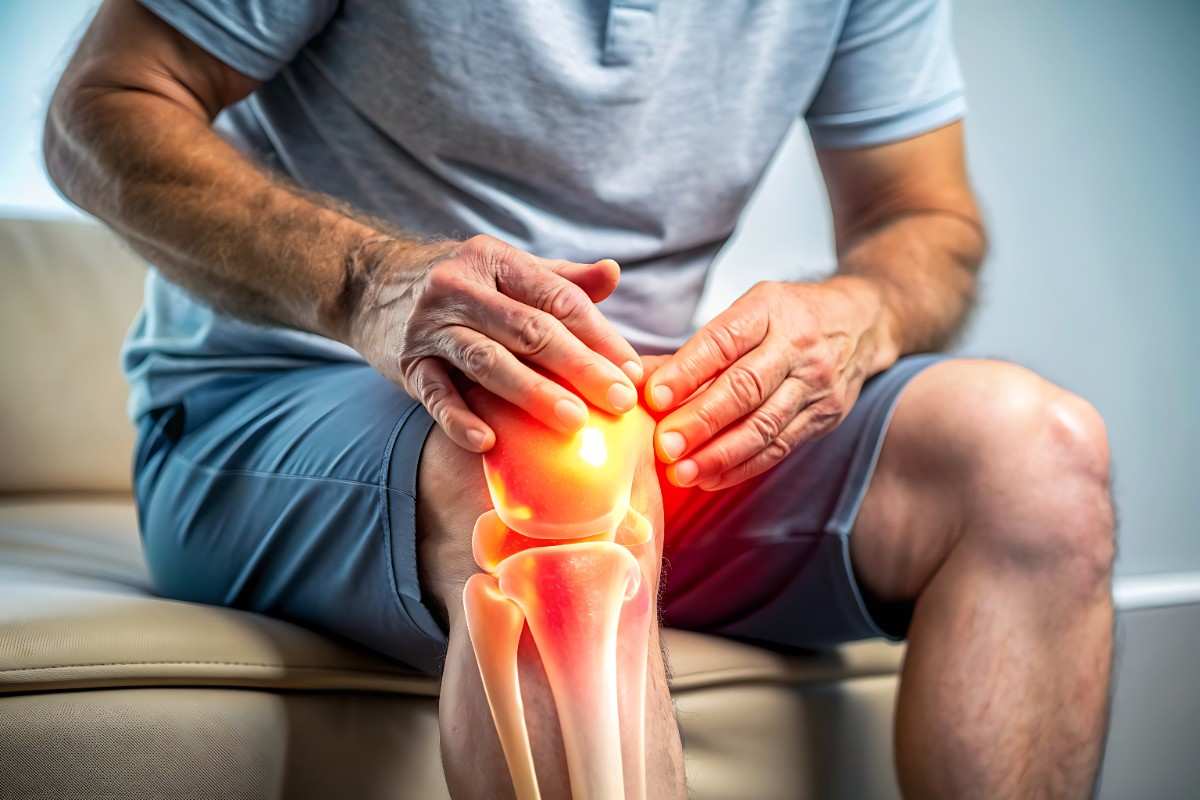
Your joints do a lot of work. Every time you stand up, climb stairs, or reach for something on a high shelf, dozens of joints are quietly doing their job. Most people don’t think about them until something hurts.
The good news? Small, consistent habits can make a significant difference in how your joints feel—both now and years down the road. Here are eight practical things you can start doing today.
1. Move More Throughout the Day
Sitting still for long periods puts sustained pressure on your joints and stiffens the surrounding tissue. You don’t need a full workout to counteract this—just regular movement breaks.
Set a reminder to get up and move every 45 to 60 minutes. A short walk, a few gentle stretches, or even standing up and shifting your weight can help keep your joints lubricated and reduce stiffness.
2. Strengthen the Muscles Around Your Joints

Strong muscles act as shock absorbers. When the muscles surrounding a joint are weak, the joint itself absorbs more impact and stress than it should.
Focus on strengthening exercises that target key areas like your quads (for knee support), glutes (for hip health), and core (for spinal stability). You don’t need heavy weights—resistance bands and bodyweight exercises work just as well.
3. Prioritize Low-Impact Exercise
High-impact activities like running and jumping are hard on joints, especially if you’re already dealing with discomfort. Low-impact alternatives—swimming, cycling, walking, and yoga—keep you active while reducing unnecessary strain.
This doesn’t mean you have to avoid all intensity. It just means being strategic about the type of exercise you choose, particularly if your joints are already under stress.
4. Maintain a Healthy Weight
Every extra pound of body weight adds roughly four pounds of pressure to your knees. Over time, that adds up.
Reaching and maintaining a healthy weight doesn’t have to mean drastic dieting. Sustainable changes—like reducing processed foods, eating more vegetables, and staying active—can take meaningful pressure off your joints and reduce inflammation throughout your body.
5. Stay Hydrated
Cartilage, the cushioning tissue between your joints, is made up of roughly 80% water. When you’re dehydrated, that cartilage becomes less effective at absorbing shock and more vulnerable to wear.
Aim to drink water consistently throughout the day rather than catching up all at once. If you’re exercising or spending time in the heat, increase your intake accordingly.
6. Eat an Anti-Inflammatory Diet

What you eat directly affects inflammation levels in your body—and chronic inflammation is one of the key drivers of joint pain and deterioration.
Foods rich in omega-3 fatty acids (like salmon, walnuts, and flaxseed), antioxidants (berries, leafy greens), and vitamins C and D all support joint health. On the flip side, processed foods, excess sugar, and refined carbohydrates tend to amplify inflammation. Small dietary shifts can have a surprisingly noticeable effect over time.
7. Warm Up Before Activity and Cool Down After
Jumping straight into physical activity without preparing your body increases your risk of joint injury. A proper warm-up increases blood flow to the muscles and gets the joints moving through their range of motion before you put them under load.
Cooling down afterward is equally important. Gentle stretching helps prevent stiffness, supports flexibility, and signals to your body that it’s time to recover. Five to ten minutes on either end of a workout is all it takes.
8. Listen to Your Body
This one sounds simple, but it’s often overlooked. Pushing through sharp or persistent joint pain isn’t toughness—it’s a fast track to injury.
Learn to distinguish between the normal discomfort of effort and the warning signs of something more serious. Swelling, sharp pain, or pain that lingers well after activity are all signs worth paying attention to. Catching problems early makes them far easier to address.
Build the Foundation Now
Joint health is largely the result of what you do consistently over time. You can manage your chronic joint pain with these eight habits aren’t complicated, but they require commitment—and the earlier you start, the better your long-term outcomes tend to be.
If you’re already experiencing joint pain or recovering from an injury, working with a professional can help you build a plan that’s tailored to your specific needs. A Utah physical therapy clinic can assess your movement patterns, identify any underlying issues, and guide you through targeted exercises to restore strength and mobility safely.
Strong joints don’t happen by accident. They’re built, one small habit at a time.